Roof Warranty Types Explained: Material, System & Workmanship
A new roof can come with several warranties at once, and each one covers a different failure, from a different party, under different rules. This guide separates them so you know who to call, what paperwork matters, and which everyday mistakes quietly cancel cover.
Three warranties that are not interchangeable
Most confusion starts with one word being used for three separate promises. A manufacturer material warranty covers defects in the product itself. A manufacturer system warranty covers an approved assembly of components installed to that maker's specification. A contractor workmanship warranty covers installation errors, and it comes from the installing company, not the factory.
Those distinctions decide real outcomes. A shingle that delaminates because it was made badly is a material question. A leak at a valley built the wrong way is a workmanship question. Sending the claim to the wrong party wastes weeks, so keep the installing company's paperwork, the product names, and any registration confirmations together from day one.
Material warranties cover defects, not weather or wear
A standard material warranty is narrower than many homeowners expect. It generally responds when a shingle, panel, or membrane fails because of a manufacturing defect, not because wind lifted it, hail bruised it, or Gulf heat simply aged it. Remedies also vary: some terms cover material only, while others include reasonable labor for a set period.
Read the remedy section before you need it. Look for whether tear-off and disposal are included, whether the payout is prorated after a stated non-prorated period, and whether matching discontinued colors is addressed at all. In Corpus Christi, where a roof may be repaired in stages over many hurricane seasons, those details matter more than the headline number of years.
- Covers: proven defects in the roofing product itself
- Usually excludes: storm damage, normal aging, and installation errors
- Check: proration schedule, labor inclusion, and tear-off coverage
System and enhanced warranties raise the bar for installers
A system warranty goes further by covering an assembly: shingles or panels plus specified underlayment, starter, ventilation, and ridge components, installed by an installer who meets the manufacturer's program rules. Because the maker is backing more of the assembly, it usually requires documentation, approved components throughout, and sometimes an inspection or registration file.
Enhanced wind coverage, sold under names similar to WindProven-style programs, is a separate feature worth reading line by line. It may raise the wind speed covered or remove a wind limit for qualifying systems, but it normally depends on specific products, enhanced installation patterns, and correct registration. A high wind rating printed on a bundle is not the same thing as a registered wind warranty on your house.
Workmanship cover is only as strong as the company behind it
Workmanship terms are set by the installer, so length and scope vary widely, from a short leak-repair promise to a longer written guarantee. Ask what triggers it, whether it covers consequential interior damage or only the roof repair itself, and what happens if the company is sold or closes. A long promise from a business you cannot reach later has limited practical value.
Get this warranty in writing before work starts, not as a verbal add-on at final payment. It should name the property, the completion date, the response process for a leak, and any maintenance duties you must meet. Sparkling City Roofing is a referral service, so the workmanship terms on any job come from the provider doing that job, and those terms should be spelled out in that provider's own contract.
Transfer rules and registration windows decide resale value
Many manufacturer warranties can transfer to a new owner once, but rarely automatically. There is commonly a deadline after closing, a transfer form, and sometimes a fee. Miss the window and the next owner may inherit only the remaining basic material cover, or none of the enhanced cover at all. Sellers should hand over registrations at closing, not promise to find them later.
Registration deadlines apply at installation too. Enhanced and system cover often must be registered within a set number of days after completion, using the installer's program credentials. Keep the final invoice, product list, registration certificate, and photos of the finished roof in one file. That file also helps an insurer or a future inspector understand exactly what was installed.
- Ask for the registration certificate, not just the brochure
- Note transfer deadlines in the closing paperwork when you sell
- Keep product names and colors recorded for future repairs
The classic voiders are mostly preventable
Warranties rarely end with a dramatic denial; they erode through ordinary decisions. Poor attic ventilation that bakes shingles from below is a long-standing exclusion, which is why ventilation is part of a system specification rather than an optional extra. Unapproved repairs, incompatible materials layered over the original system, and work by others that alters flashing or penetrations can also break the chain of responsibility.
Pressure washing is another common problem on the coast. It can strip granules from shingles and drive water under laps, turning a cleaning job into damage no maker agreed to cover. The safe routine is simple: keep ventilation clear, use only repair methods the manufacturer allows, photograph any change, and tell the original installer before another trade alters the roof.
Common questions
Good questions
Does a warranty pay for tearing off and disposing of failed shingles, or only for the replacement material?
It depends on the tier and the age of the roof. Basic material terms often limit the remedy to the defective product, sometimes prorated, while stronger system terms may include labor and tear-off for a defined early period. Read the remedy and proration sections of your actual certificate rather than relying on a sales summary.
What happens to enhanced cover if a buyer never files the transfer paperwork after closing?
In many programs the enhanced or system portion lapses or drops back to basic material cover when the transfer is not filed inside the stated window. The roof does not become unprotected overnight in every case, but the broader promises are the ones most likely to be lost, so treat the transfer form as closing paperwork, not optional admin.
How long do I usually have to register an enhanced warranty after installation is finished?
Windows vary by manufacturer and program, and are often measured in weeks rather than months after completion. The installer normally submits the registration, but the homeowner should receive a certificate or confirmation. If nothing arrives shortly after final payment, ask for it by name while the job file is still open and easy to retrieve.
Does a wind warranty pay if shingles blow off below the wind speed printed for the product?
Not automatically. Product wind ratings describe tested performance under specified installation methods, while warranty payment depends on the registered terms, the fastening pattern actually used, and exclusions for named storms or improper installation. Keep the registration and installation details, because a claim review will look at how the roof was built, not only at the weather report.
Related services
Related Services
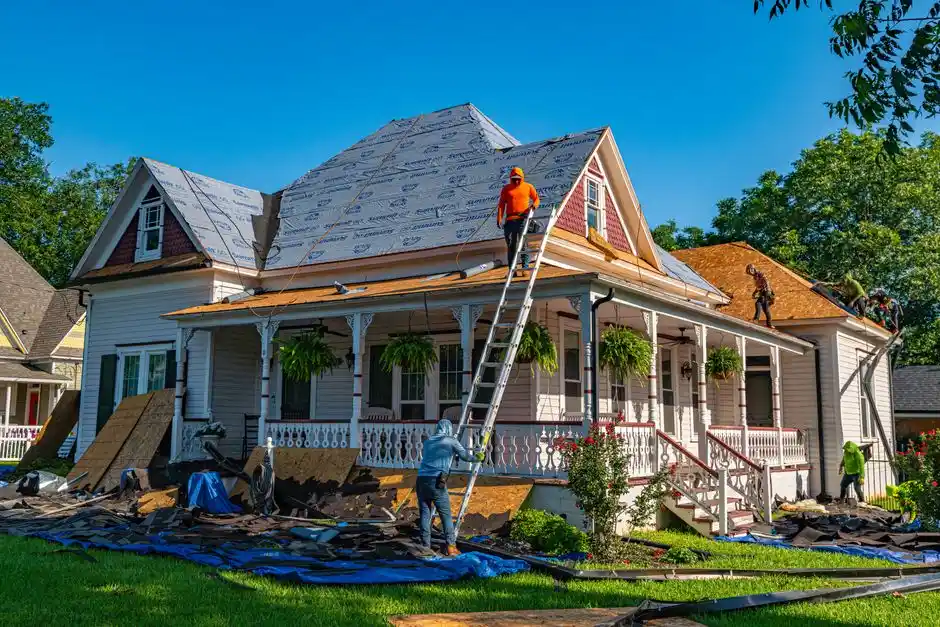
Roof Replacement
How a full tear-off and replacement is scoped, priced and documented in Corpus Christi.
Roof Installation
What a proper new installation includes, from underlayment to ventilation and final checks.