Roofing System Components Explained
A roof is a system, not just shingles. Here are the 7 layers and details that decide warranty, windstorm compliance, and lifespan in Corpus Christi.
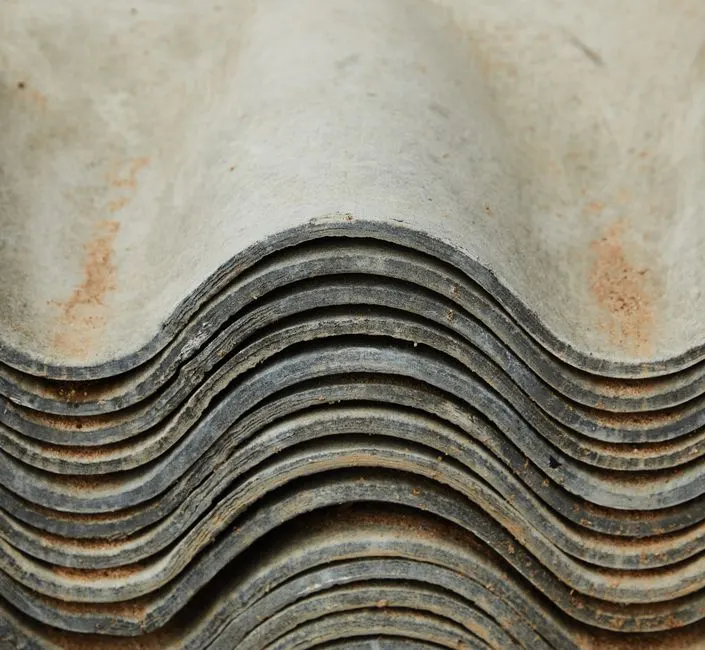
A roofing system is the complete assembly of deck, underlayment, starter, field products, ridge cap, ventilation, flashing and fasteners working together, and its warranty and windstorm compliance depend on the whole assembly, not on the shingles alone. In Corpus Christi, where salt air, 145 mph winds and attic heat above 150 degrees punish every weak layer, understanding the seven layers is what lets a homeowner judge any quote honestly.
Why the System Matters More Than the Shingle
Manufacturers warrant systems, not surfaces. A shingle installed without the matching underlayment, starter strip and ridge cap is not covered as a system, however good the shingle itself may be. Windstorm inspectors judge the same way: they check fastening, detailing and layer completeness, because wind failure almost always starts at a missing or weak layer rather than in the middle of a sound field.
That is why itemized quotes matter so much. A quote listing all seven layers can be verified layer by layer, while a lump-sum quote can quietly omit underlayment, starter or ventilation and still look complete. Ask any roofer you are quoted by to itemize all seven layers. If a line is missing from the quote, it is missing from your roof, and it can void both the manufacturer system warranty and the windstorm certification.
Layer 1: The Roof Deck
The deck, usually plywood or oriented strand board, is the structural base everything else depends on. On a re-roof it must be inspected board by board, re-nailed to windstorm code, and repaired wherever rot or softness is found, because a new system on a weak deck inherits the old roof's problems. This is where cheap quotes quietly cut corners: skipping deck repair saves money on day one and costs a roof later.
Deck condition is also the first thing an inspector checks, since soft decking signals long-term leakage regardless of how new the surface looks. Any quote that does not mention deck inspection and repair pricing should be questioned before signing.
Layer 2: Ice and Water Shield
Ice and water shield is a peel-and-stick waterproof membrane installed in valleys and at penetrations, exactly where leaks actually start. Unlike general underlayment, it seals around fastener penetrations, so a nail through it does not become a leak path. On the Coastal Bend its role is valley and penetration protection against wind-driven rain, which pushes water uphill into precisely those details.
Skipping this layer to save money is one of the most consequential omissions in roofing, because valleys and penetrations cause the majority of leaks while representing a small share of roof area. Every itemized quote should show this line explicitly.
Layer 3: Synthetic Underlayment
Synthetic underlayment is the tear-resistant secondary water barrier across the whole deck, underneath the field products. It replaced old 15 and 30 pound felt because it resists tearing in wind during installation, lies flatter, and provides a more reliable backup if a shingle is ever lifted or broken. On a windstorm build it is part of the warranted system, not an optional upgrade.
Underlayment quality varies, and the difference shows in storms rather than on calm days. A torn or thin underlayment under lifted shingles lets wind-driven rain reach the deck immediately, while a robust synthetic layer buys time and protection through the same event.
Layer 4: Starter Strip
The starter strip is the sealed first course at eaves and rakes, and its job is wind uplift resistance. Without it, the first course of shingles has no sealed edge to hold it down, and wind peels the roof starting exactly there. It is a small, cheap layer with an outsized role in storm survival, which is why its absence from a quote is a red flag rather than a minor omission.
Starter strips must be installed at both eaves and rakes, sealed correctly, and matched to the field product system. A roofer who cuts the first course from field shingles instead of using a dedicated starter is improvising a layer that windstorm inspectors check.
Layer 5: Field Shingles or Panels
The field is the visible layer: architectural shingles, standing seam metal panels, stone-coated steel or tile, chosen for wind rating, lifespan and budget. Field products must be fastened in the manufacturer nailing zone, at wind-rated spacing, with hot-dip galvanized or stainless fasteners on the coast, since standard fasteners corrode in salt air and lose holding power within seasons.
Field choice should follow wind zone and time horizon honestly: architectural shingle for most homes on budget-to-life, impact-rated shingle where hail and premium credits matter, standing seam metal for island and long-term homes, and tile or stone-coated steel for Mediterranean styles and decades-long ownership. No field product compensates for missing layers beneath it.
Layer 6: Hip and Ridge Cap
Hip and ridge caps are the finishing line that sheds water at the roof's peaks, where two slopes meet and wind pressure concentrates. They must match the field system, be fastened to wind standard, and integrate with ridge ventilation where the design uses it. Improvised or mismatched caps are a common leak and wind-failure point, precisely because they sit at the roof's most exposed lines.
On ventilated ridges, the cap also serves the exhaust half of the ventilation system, so cap choice and ventilation design must be made together rather than as separate afterthoughts.
Layer 7: Ventilation
Ventilation is the balanced intake and exhaust system that keeps attic heat and humidity from cooking the roof from underneath. Intake, usually at soffits, and exhaust, usually at the ridge, must be sized together for the attic's volume; intake without exhaust, or exhaust without intake, does not ventilate. Summer attic temperatures past 150 degrees Fahrenheit are the direct consequence of getting this layer wrong, and they shorten shingle life by years.
Ventilation is also the layer most often omitted from cheap quotes, because its absence is invisible on day one and fatal over years. Any replacement quote without a ventilation line should be treated as incomplete, whatever its total.
The Details That Decide Leaks: Flashing and Fasteners
Beyond the seven layers sit two details that decide most leak histories: flashing and fasteners. Flashing at chimneys, valleys, skylights and walls must be stepped, overlapped and corrosion-resistant, since those junctions concentrate water and movement. Fasteners must sit in the nailing zone, at correct spacing and depth, in salt-resistant metal, since overdriven, underdriven or corroded fasteners fail long before the products they hold.
Together, layers plus details form the complete system, and the complete system is what warranties cover, inspectors verify and storms test. Judging a roof by its shingles alone is like judging a house by its paint: the visible part is the least informative part.
Common Mistakes
The most common mistake is comparing quotes by total while ignoring layer completeness, so the cheapest quote wins by omitting underlayment, starter or ventilation. The second is treating ventilation as optional, guaranteeing the new roof dies early from attic heat. The third is accepting standard fasteners on the coast, where salt corrosion undoes the whole system from its fixings outward. The fourth is judging a roof by its field product alone, while the layers beneath decide its real performance.
Each mistake is prevented by one habit: demanding an itemized quote listing all seven layers plus flashing and fastener specification, and checking each line before signing. That habit costs nothing and protects everything.
What to Do Next
Use the seven layers as your quote checklist, whatever job you are planning. For a replacement, confirm the system through Roof Replacement in Corpus Christi and the bands through Roofing Cost Corpus Christi in Corpus Christi. For a new build, confirm ventilation-first design through Roof Installation in Corpus Christi, and for an existing roof, confirm its layers through Roof Inspection in Corpus Christi. The remaining questions are answered in Roofing FAQ in Corpus Christi, but the layers themselves are the answer to most of them.