Texas Roof Insurance Claim Process With TWIA
If your Corpus Christi home carries windstorm coverage through the Texas Windstorm Insurance Association, the claim process follows its own rules, deadlines, and inspection sequence. Here is the full path from first report to final payment, so nothing catches you by surprise.
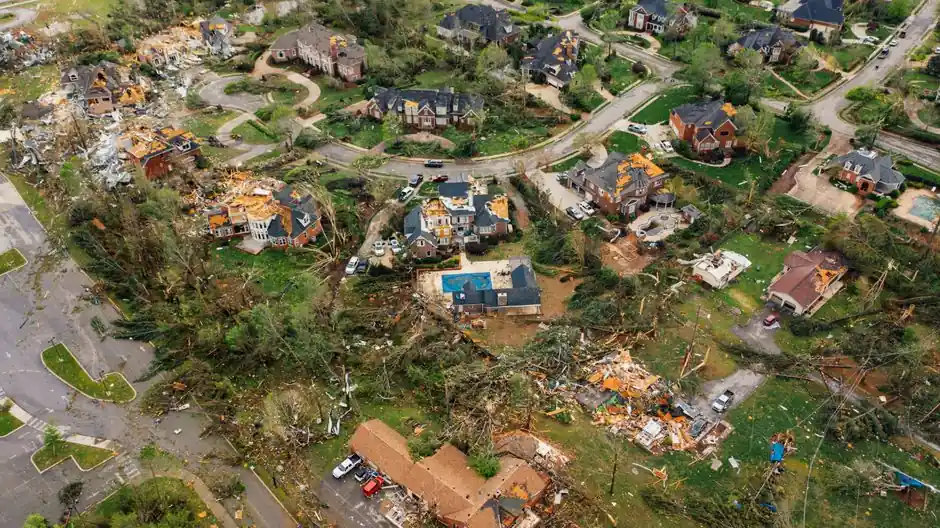
Step 1: Document the damage and protect the home
The process starts at your house, not on the phone. Photograph the roof from the ground on every side, close-ups of missing or creased shingles, damaged vents and flashing, debris in the yard, and any interior stains or active leaks with dates visible where possible. Save weather records or news reports that establish the storm date, because linking damage to a specific covered event is the foundation the whole claim stands on.
Then prevent further loss. Policies expect reasonable emergency steps, such as tarping an open area, and emergency tarping typically costs $350 to $900 locally. Keep every receipt, because documented mitigation expenses are usually part of the claim file. Avoid permanent repairs until the damage has been seen or you have clear written guidance, since work done too early can destroy the evidence an inspector needs to approve the scope.
Step 2: File promptly and open your claim file
Report the loss to TWIA as soon as practical, through your agent, the association's claims channels, or your insurance producer. Twia claims carry policy deadlines, and waiting weeks weakens both your documentation and your position if timing is questioned. At filing you will receive a claim number: put it on every document, photo set, estimate, and email from that point forward so the file stays coherent.
Describe damage factually and specifically rather than estimating a dollar figure yourself. Note the storm date, rooms affected by leaks, and any emergency work completed. If you have already had a contractor inspection, say so and keep that report ready. From here, TWIA assigns an adjuster or inspector to examine the property, and you should receive contact to schedule that visit. Confirm you or a representative can be present, because walking the roof together prevents misunderstandings about what was and was not seen.
Step 3: The TWIA inspection and scope of loss
During the inspection, the adjuster documents roof condition, measures slopes, photographs damage, and distinguishes storm damage from wear, age, or prior issues. Having your own contractor present is commonly allowed and often useful: they can point to creased shingles, lifted seals, and collateral signs like damaged soft metals that support a storm finding. Stay factual and let the physical evidence make the argument.
Afterward, TWIA produces an estimate, often called the scope of loss, listing approved repairs line by line with quantities and unit prices. Read it closely against your contractor's itemized estimate. Differences usually hide in specifics: a slope omitted, underlayment quantities short, code-required items missing, or damage recorded as a small repair where matching materials are discontinued. Those specifics are exactly what the next step exists to address.
- Keep the claim number on every document you send
- Photograph each slope, not just the visibly damaged one
- Save mitigation receipts from the first day
- Get every commitment from the claim in writing
Step 4: Deductible, depreciation, and how payments flow
Coastal windstorm policies commonly use a percentage deductible for wind and hail, calculated from the home's insured value rather than a flat dollar amount, so the figure can be larger than homeowners expect. That deductible is your portion of the approved cost. Separately, many policies pay in stages: an initial payment based on actual cash value, with depreciation withheld, and the withheld amount released after repairs are completed and documented, under a recoverable depreciation process.
This is why invoices and completion photos matter. Submit final contractor invoices, the signed contract, and proof of completion promptly to trigger any withheld amounts. Understand your own policy's variant, because some policies pay only actual cash value with no depreciation recovery. Your agent can explain which structure you hold, and knowing it before signing a repair contract prevents a painful surprise about how much arrives and when.
Step 5: Supplements, re-inspection, and disputes
If the approved scope misses real damage or required items, your contractor can submit a supplement: a documented request with photos, measurements, and code or manufacturer requirements supporting the additional work. Supplements are a normal part of storm claims, not an adversarial act, and they work best when they are specific and evidence-based rather than a demand for a higher total. Hidden damage found during tear-off, such as rotted decking, is a classic supplement situation, so photograph it before it is covered up.
If disagreements remain after supplement review, policies and Texas rules provide escalation routes, including re-inspection requests, formal dispute processes, appraisal provisions in some policies, and complaints to the Texas Department of Insurance. Deadlines apply to several of these steps, so track decision dates carefully and keep your paper trail complete. Persistence with documentation wins far more often than persistence with volume.
Step 6: Repairs, certification, and keeping the file
Once scope and funding are settled, complete the repairs and keep the windstorm compliance side in view. Roofing work in the TWIA area generally needs to meet windstorm requirements, and a WPI-8 certificate documenting compliant construction protects the home's insurability and value at sale. Make sure the paperwork for your completed work is filed and that you receive copies, along with final invoices and warranty documents.
Retain the whole claim file for years: photos, estimates, inspection notes, payment records, and certificates. If a later storm damages the same roof, this file proves what was repaired and when. Sparkling City Roofing is a referral service; we connect Corpus Christi homeowners with local contractors who document work thoroughly, and inspections and written, itemized quotes are free, which gives you a solid contractor estimate to place alongside TWIA's scope from the start.
Common questions
Good questions
What if I discover storm roof damage months after the storm?
File anyway and document your reasoning promptly in writing to the association. Late notice can complicate or jeopardize a claim, especially where the insurer argues the delay worsened damage or blurred the cause. Keep proof of when you discovered the damage and when you reported it, and protect the property from further loss in the meantime.
Can I get my own inspection before TWIA's adjuster visits?
Yes. Policyholders can submit contractor estimates, inspection reports, and photographs as part of the claim, and a thorough independent inspection often strengthens the record TWIA's own inspector works from. Make sure the contractor's estimate is itemized and slope by slope, so differences between the two assessments are specific and discussable rather than general disagreements.
Who do I actually pay my TWIA windstorm deductible to?
Typically you pay your contractor the deductible amount directly, and the insurer's payments cover the approved cost above that deductible, subject to depreciation handling. Contractors who offer to absorb or waive a deductible are asking you to misrepresent the claim amount, which creates real legal and coverage risk for you as the policyholder.
What if TWIA denies part of my roof claim I believe is storm damage?
You can dispute the outcome through the association's claim dispute and appraisal processes, and ultimately through regulatory or legal channels if needed. Start by requesting a detailed explanation and a re-inspection where new documentation supports one, and keep every interaction in writing. Deadlines apply to dispute steps, so act promptly after any decision you believe is wrong.