Stopping the most common leak in Corpus Christi homes
Chimney Flashing and Repair in Corpus Christi
More ceiling stains trace back to a chimney than to almost any other roof detail. Sparkling City Roofing connects Corpus Christi homeowners with crews who rebuild flashing as a layered metal system, check the masonry honestly, and leave surface coatings out of it.
Live phone supportUpfront optionsBacked workmanship
Anatomy of a dry chimney joint
Four metal details share one job
No single strip of metal keeps a chimney dry. The system works because separate pieces overlap in the right order.
Step flashing along the sides
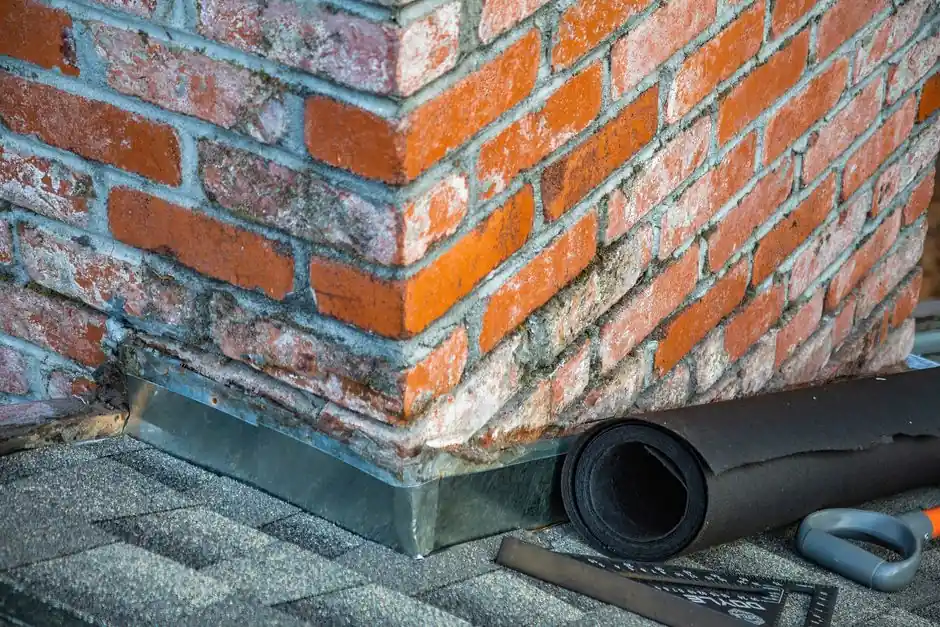
Individual L-shaped pieces are layered with each shingle course along the chimney sides, so water running down the roof is directed out onto the shingle surface course by course instead of behind the roofing.
Counterflashing over the top
This second layer is set into a mortar joint or reglet in the chimney and folds down over the step flashing, shielding the top edges while still allowing the two metal layers to move independently as temperatures change.
Apron at the downhill face
A continuous apron piece carries water from the downhill face of the chimney back onto the roof below, detailed so runoff does not curl under the shingles at the corners where leaks love to start.
Back pan or cricket uphill
On the uphill side, a back pan or a built cricket splits the flow around the chimney. Wide chimneys without this diverter collect a pond of water and debris against their most vulnerable joint.
Reading the symptoms
Why this joint leaks before almost any other
A chimney is a heavy masonry column punching through a flexible wood-framed roof, and the two structures expand, contract, and settle at different rates. That constant micro-movement works on sealant lines and mortar joints year after year until a gap opens. Add Corpus Christi conditions, including wind-driven rain that pushes water uphill and sideways, plus salt air corroding galvanized metal, and the joint around a chimney becomes the hardest-working detail on the whole roof. It is no surprise it is so often the first to fail.
The pattern of the leak offers clues a good diagnostician uses. Staining that shows only during hard, wind-blown rain points to the uphill or windward flashing; a drip in gentle rain suggests a more open defect such as failed counterflashing or cracked mortar. Inspections and written, itemized quotes are free, and a proper chimney flashing and repair visit checks the crown, cap, and mortar as well, because water entering the masonry itself can masquerade as a roof problem.
- Stain appears only when rain arrives with strong wind from one direction
- Ceiling damage sits in the corner closest to the chimney base
- Leak seems to come and go with storm intensity, not every rain
- Attic decking near the chimney feels soft or shows dark streaking
How a proper rebuild runs
Replacing flashing the right way
Correct work means opening the joint up and rebuilding the layers, not coating over them.
Inspect metal, masonry, and deck
The crew examines all four sides, probes the mortar and counterflashing, checks the crown and cap, and looks in the attic for deck damage beside the chimney before pricing anything.
Strip the old flashing
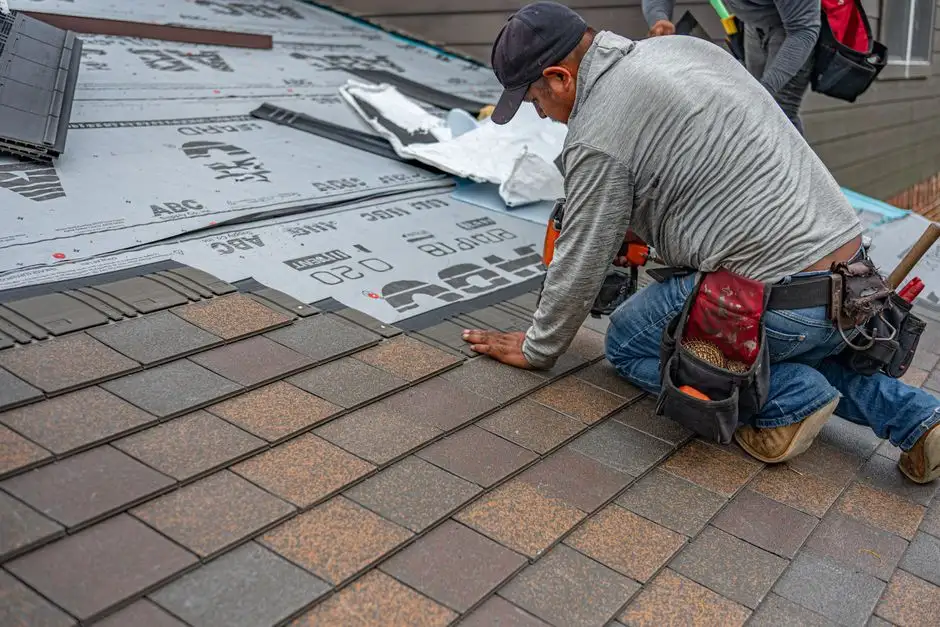
Shingle courses beside the chimney are lifted or removed carefully, and the worn metal comes out so the new system starts from a clean, sound surface rather than a sandwich of old failures.
Install new step and apron metal
Fresh step pieces are woven course by course with the shingles, the apron is set at the base, and a back pan or cricket is built on the uphill side where the chimney width calls for it.
Set counterflashing into the joint
New counterflashing is cut into the mortar joint, secured, and sealed at the reglet, then the joint is checked so the two metal layers overlap correctly without being rigidly locked together.
Test and report
The finished detail is water-tested, corners are double-checked, and any masonry items noted during inspection, such as crown cracks, are reported separately with honest next-step advice.
Extending flashing life
Care that keeps the new joint working
New flashing deserves the same respect as any metal system near the Gulf. Galvanized pieces are economical, but in salt air many homeowners choose heavier-gauge or coated metals for longer service, and the quote should spell out exactly which metal is being installed. Whichever is chosen, keeping the uphill side clear of leaf dams matters, because standing debris holds moisture against the metal and the mortar through every humid week.
Masonry care runs in parallel. Mortar joints that are crumbling should be repointed so counterflashing stays anchored, and a cracked crown, the concrete cap on top of the chimney, should be repaired before it channels rain straight down inside the structure. A roofer can flag these items, while a mason is often the right trade to execute them. Honest separation of the two scopes protects your budget and gets each problem fixed by the craft that owns it.
- Choose metal suited to coastal corrosion exposure
- Repoint failing mortar before new counterflashing goes in
- Keep the cricket clear of leaves and granule buildup
- Photograph the finished layers for your home records
Pricing process
Pricing
$400 - $1,400 depending on chimney width, access, and whether a cricket is needed
Minor joint and sealant work
Renewing sealant lines, resetting loose counterflashing, and minor mortar attention at the flashing joint sit at the lower end.
Full flashing replacement
Replacing step and counterflashing on all sides, woven correctly into sound shingles, forms the middle of the typical range.
Cricket or deck repairs add scope
Building a cricket, repairing rotted decking beside the chimney, or extensive mortar work pushes the total toward the upper end.
Questions before we arrive
Frequently Asked Questions
What if water is coming through the chimney bricks themselves?
Common culprits include mortar joints that have cracked and opened, a cap with gaps that lets rain fall straight down the flue, a missing or damaged crown wash on top, and a liner issue inside. The inspection separates exterior masonry needs from roof flashing needs so each problem gets the right trade and you are not sold roof work for a chimney-body leak.
Is a cricket just decorative, or does it do real work?
No. A cricket, also called a saddle, is a small peaked diverter built on the uphill side of wider chimneys to split water and debris around the sides. Building guidance commonly calls for one when a chimney is wider than about thirty inches where it meets the roof. Without it, water and leaves pile against the uphill flashing and eventually force their way in.
Can fresh tar or caulk solve a flashing leak on its own?
Generally no, and most plans of this type deliberately avoid it. Tar and generic sealants harden, crack, and fail quickly in Texas heat, and smearing them over step flashing hides the real defect while making correct repairs harder and messier later. The durable fix is properly lapped metal, with sealant used sparingly only where the system design calls for it.
What early warning signs appear before flashing fails completely?
Look for rust staining below the chimney, lifted or missing pieces you can spot with binoculars, cracked sealant lines, and interior staining that appears on the ceiling corner nearest the chimney after wind-driven rain. Catching corrosion early, especially this close to salt air, usually keeps the job in flashing scope instead of deck repair scope.
Can flashing be replaced without replacing the whole roof slope?
Often yes, if the surrounding shingles and deck are sound. The crew lifts the affected courses, replaces the metal in sequence, and weaves the shingles back so the system sheds water as designed. When nearby shingles are brittle with age, the quote should say so honestly, because forcing old material apart can create new damage beside the chimney.
Ready when you are
Get Your Chimney Flashing and Repair Quote
Request an itemised quote in writing: scope, materials and total confirmed before any work starts.
Talk with the local team
Request Chimney Flashing and Repair
Sparkling City Roofing, 3022 Morgan Ave, Corpus Christi, TX 78405.