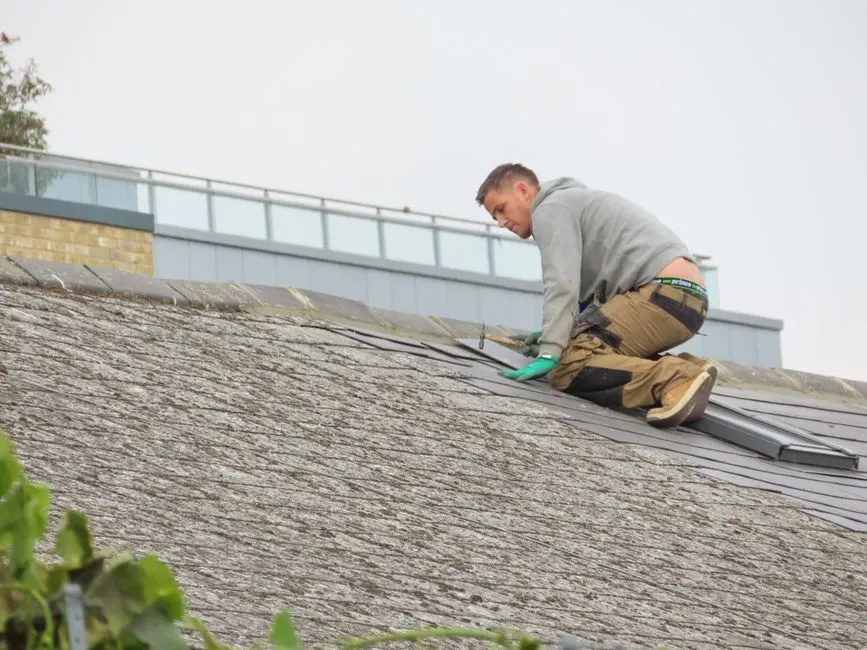
Planned care for flat and low-slope business roofs
Commercial Roof Maintenance Program in Corpus Christi
Leaks rarely announce themselves politely during business hours. A scheduled care plan for your Corpus Christi building replaces surprise call-outs with regular inspections, clear reports, and a budget line you can plan around.
Live phone supportUpfront optionsBacked workmanship
What a plan actually includes
Regular visits that catch small problems early
A maintenance agreement is not a warranty. It is a disciplined routine of inspection, minor care, and honest reporting.
Drainage kept clear
Each scheduled visit clears drains, scuppers, and gutters, removes debris that traps moisture, and confirms water is leaving the roof as designed instead of sitting against seams.
Sealant and pitch pans renewed
Sealant at pitch pans, counterflashings, and termination bars dries out in coastal sun. Renewing it on schedule is inexpensive compared with tracing a leak through wet insulation later.
Seams and flashings checked
Probing laps, checking fastener patterns, and testing suspicious transitions catches small separations while they are still a patch, not a section replacement with interior damage below.
Photo reports after each visit
Dated photographs, a marked roof plan, and condition notes after every visit build a history file that supports budgeting, lease discussions, and any future warranty or insurance questions.
Budgeting with evidence
Turn surprise leaks into a planned line item
Most building budgets can absorb a planned repair far more easily than an emergency that damages inventory, interrupts tenants, or forces after-hours rates. Regular inspection reports give owners and managers the evidence to spread spending sensibly: fix the failed seam this quarter, schedule drain corrections next, and start reserving for a recover or replacement while the current system still performs. That forecast is the real value of a commercial roof maintenance program, beyond the cleaning and minor sealing done on each visit.
Reports should separate buildings with several roof sections by age and condition, because a warehouse addition from one decade rarely ages like the original structure beside it. Tracking each section independently prevents a sound newer roof from masking an older one that is quietly absorbing water. Over two or three cycles, the trend lines in those reports tell you more than any single visit can.
- Condition grade and remaining service-life estimate for each section
- Urgent, soon, and monitor items listed in plain language
- Year-by-year budget forecast for larger corrections
- Drain and ponding notes tied to a marked roof plan
How enrollment runs
Setting up scheduled care for your building
Enrollment starts with a baseline inspection so the plan reflects the roof you actually have.
Baseline inspection
A full walk records membrane type, age indicators, drainage, flashings, and any existing wet areas. Pre-existing defects are listed openly so expectations are clear from day one.
Agree visit rhythm and access
You choose visit frequency and any access rules, such as escort requirements or blackout dates during your busiest weeks. Pricing is confirmed in writing before the schedule begins.
Scheduled visits begin
Technicians clear drainage, attend to minor sealant and fastener items within the agreed scope, and photograph conditions across the roof on every scheduled round.
Reports and budget updates
After each round you receive the photo report with urgent, upcoming, and monitor items separated, plus updated budget notes for anything that has changed since the last visit.
Annual review
Once a year, the file is reviewed together: what improved, what aged faster than expected, and whether visit frequency or planned scopes should change for the coming year.
Making the plan work
Small habits that multiply the value of scheduled care
A plan works best when the building side plays a small part too. Tell your provider when tenants report a new ceiling stain, when other trades have worked on the roof, and when rooftop equipment is added or removed. Every new penetration changes the flashing picture, and a unit installed by another contractor without proper curb work is a classic source of leaks that get blamed on the roof itself. A quick note at the time saves a long search later.
In Corpus Christi, timing visits around hurricane season, which runs June through November, adds another benefit. A pre-season visit secures loose edge metal, clears drainage before tropical downpours, and documents condition, while a post-season visit catches lifted details before winter rains exploit them. Salt air also means fastener and edge corrosion deserve a line in every report, not just when rust becomes visible from the ground.
- Confirm who receives reports and who can approve extra work
- Note rooftop access points, alarms, and escort rules in the file
- Flag grease, chemical, or tenant equipment zones for closer checks
- Keep interior leak reports dated and matched to roof sections
Pricing process
Pricing
$1,200 - $3,600/yr depending on roof size, access, and visit frequency
Smaller, simple roofs
Compact single-story buildings with good access and one membrane type usually price at the lower end of the annual band.
Size and complexity
Larger footprints, multiple roof levels, many penetrations, and difficult access increase visit time and push the annual price higher.
Repairs quoted apart
Corrections found during visits, such as seam repairs or drain work, are proposed separately so the maintenance price stays predictable.
Questions before we arrive
Frequently Asked Questions
How often should visits happen under a maintenance plan?
For most commercial buildings, twice a year works well, ideally before hurricane season and again after the stormiest months. Restaurants with heavy grease exhaust, buildings under large trees, and roofs with known ponding may need an extra mid-year visit. The schedule in your plan states the agreed frequency so there are no surprises.
What should be included in each inspection report?
A usable report includes dated photos of each elevation and detail, a marked plan showing defect locations, notes on drain condition and ponding duration, and a short priority list separating urgent items from watch items. It should also record what was cleaned, sealed, or tightened that visit, so the next report shows whether conditions are improving or slipping.
Does a maintenance agreement cover the cost of any repairs found?
No. A plan covers scheduled visits, cleaning, minor sealant and fastener attention, and reporting. Leaks, storm damage, and larger corrections are quoted separately as itemized proposals, often at a planned rather than emergency pace. That separation keeps the annual price predictable and lets you approve bigger work with full information.
How does a plan handle grease around restaurant exhaust fans?
Grease escaping exhaust fans softens many membranes and attacks seams, so those areas need closer watching and sometimes protective pads or more frequent cleaning. Your plan should flag grease zones explicitly, note any damage trend, and coordinate timing so kitchen operations are not disrupted during rooftop work above cooking areas.
What records should our manager keep between scheduled visits?
Keep a simple log with the date of each visit, the contractor contact, photos from the latest report, and invoices for completed work. After a storm, check ceilings and note the date water first appeared, then compare with the last report. That timeline helps distinguish new damage from a known aging detail and makes any insurance conversation far clearer.
Related services
Related Services

Commercial Roofing
Explore roofing options and services built for Corpus Christi commercial properties.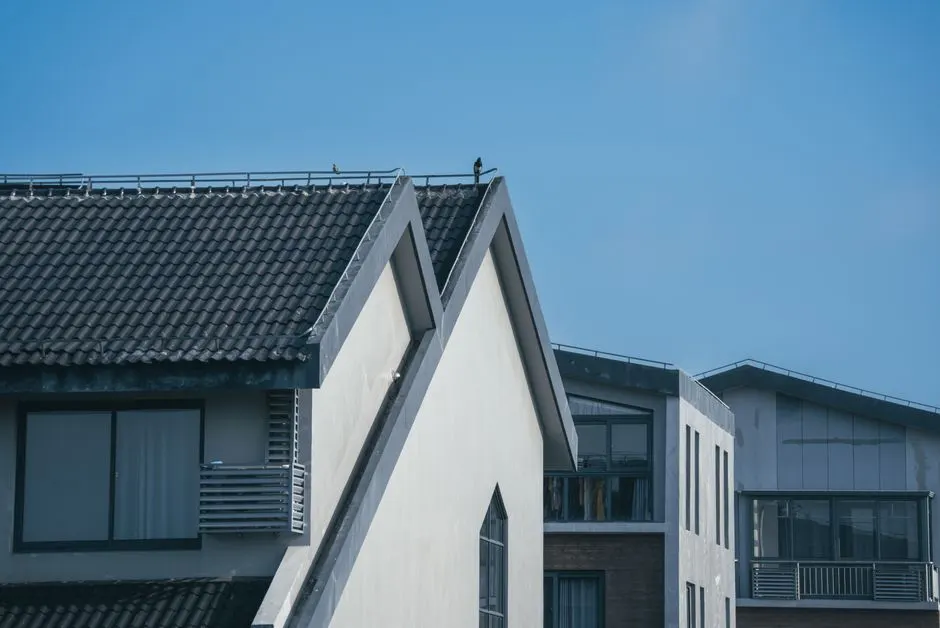
Commercial Roof Repair
When a leak cannot wait for the next scheduled visit, here is how response works.
Roof Maintenance
General upkeep guidance that also applies to homes and smaller buildings.
Industrial Roofing
Large-footprint roof systems for warehouses and plants near the port.Ready when you are
Get Your Commercial Roof Maintenance Program Quote
Request an itemised quote in writing: scope, materials and total confirmed before any work starts.
Talk with the local team
Request Commercial Roof Maintenance Program
Sparkling City Roofing, 3022 Morgan Ave, Corpus Christi, TX 78405.