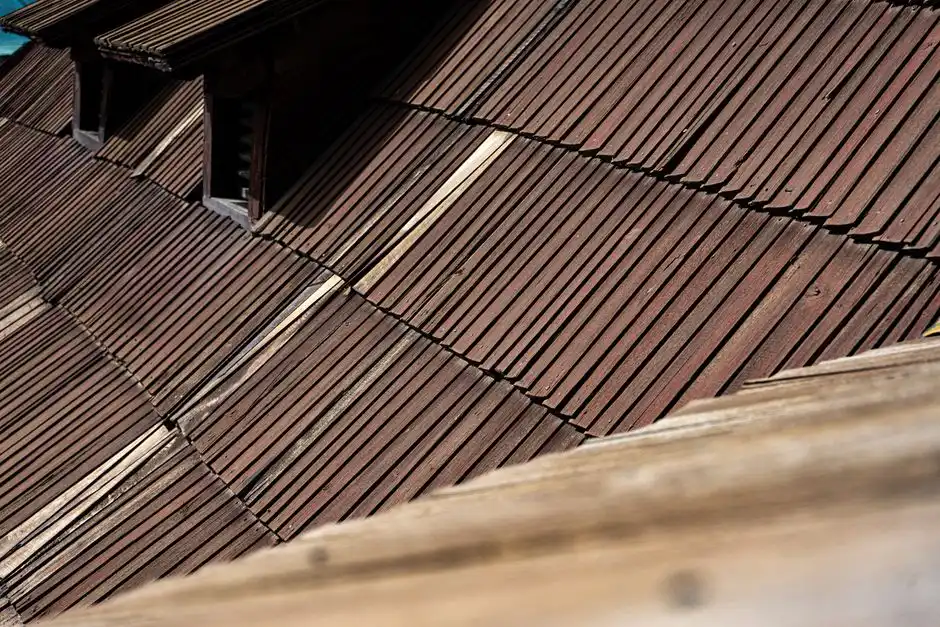
The eave system behind your gutters
Fascia and Soffit Repair for Coastal Homes
The boards and vented panels at your roof edge take the first hit from wind-driven rain, gutter overflow and salt air in Corpus Christi. Sparkling City Roofing connects homeowners with local roofing providers who inspect the eave from the ladder and the attic side, then quote the exact sections that need work.
Live phone supportUpfront optionsBacked workmanship
What fails first
Four eave problems we see across the Coastal Bend
Most eave damage starts small and hidden. These are the failures an inspection looks for before water reaches the rafter tails and wall tops.
Fascia rot behind the gutter
When a gutter sags, clogs or pulls loose, water runs behind it and soaks the board it is mounted to. The face may look sound while the back turns soft, so the board no longer holds gutter fasteners and the whole run starts to tilt and spill more water.
Soffit panels sagging or stained
The panels underneath the overhang stain, bubble and soften when roof leaks or overflowing gutters push water sideways into the eave. Brown streaks, peeling paint and panels that flex when pressed usually mean moisture has been travelling where it should never reach.
Blocked or painted-shut vents
Many soffit panels are also the attic intake vents. Paint build-up, insulation pushed tight against them and insect nests can choke that airflow, trapping Gulf heat and humidity in the attic and shortening the life of the roof covering above it.
Openings that let pests in
A cracked corner, a chewed edge or a panel that has dropped a quarter inch becomes an entry point for wasps, birds and rodents. Once inside the eave, nesting blocks vents, pulls at insulation and turns a small wood repair into a recurring pest problem.
Coastal causes
Why eaves wear out faster near the bay
Wind-driven rain on the coast does not fall straight down. Storm gusts push water upward under the roof edge and sideways into joints that stay dry in calmer climates, so eave wood in Corpus Christi can stay damp long after the roof surface has dried. Salt in that moisture speeds up fastener corrosion, and rusting nails lose their grip in wood that is already softening.
Heat plays a part too. A blocked intake vent lets attic temperatures climb through a South Texas summer, and that heat radiates back into the eave structure day after day. Wood that cycles between soaking rain and baking heat cracks its paint film sooner, and every crack is another route in for water.
- Gutter overflow is a cause to fix, not just a symptom — the gutter itself is a separate repair
- Peeling paint on the eave often marks moisture moving from behind, not just sun damage
- Rafter tails behind rotten fascia need probing too, since rot rarely stops at the surface board
- Homes a few blocks from the bay usually show fastener corrosion earlier than inland homes
- Vent openings should stay screened, sized for airflow and clear of insulation
The process
How an eave repair is scoped and completed
Inspections and written, itemized quotes are free, and the scope is set by probing the wood rather than guessing from the ground.
Ladder and attic inspection
The provider checks the eave from a ladder, pressing and probing boards and panels, then looks from inside the attic for daylight, staining and blocked intake paths at the same sections.
Marking sound versus soft wood
Each run is marked where the wood turns soft, where only the paint has failed, and where rafter tails are involved. That map decides whether a short section, a full run or an eave rebuild is quoted.
Gutter set aside where needed
Where a gutter covers the damaged board, it is loosened or lifted clear so the replacement sits flat and the gutter can be rehung at the correct pitch afterwards.
Section replacement and vent work
Rotten material is cut back to sound wood, new board or panel sections are fitted, joints are sealed, and vent openings are cleared, screened or replaced so intake airflow is restored.
Sealing, coating and rehanging
Exposed wood is primed and painted or covered as quoted, fasteners are checked for corrosion, and any gutter that was moved is rehung and water-tested before the job is signed off.
Choosing the fix
Board replacement, wrap, or new panels
The right option depends on how much sound wood is left. A good quote explains which sections get which treatment and why.
Section board replacement
When rot is contained, only the soft length is cut out and replaced, keeping sound original material either side. This is the most common fix where one gutter joint or valley discharge point has been soaking a single spot for years.
Aluminum fascia wrap
A formed aluminum cover bends over a sound board to shield it from weather and cut repainting. Wrap is a protection upgrade, not a cure: it should never be fitted over wood that is already soft, because it hides continuing decay.
Soffit panel replacement
Damaged panels are replaced with vented or solid sections matched to the existing pattern, keeping the intake ratio the attic was designed for. Mixing in too few vented panels during a repair quietly starves the whole ventilation system.
Prime, seal and paint
Sound but weathered eaves may only need scraping, sealing of open joints and a proper exterior paint system. On the coast that finish is functional, not cosmetic: it is the film that keeps the next season of driven rain out of the grain.
Pricing process
Pricing
$600 - $2,400 for a typical fascia and soffit repair run depending on length, height and how far the rot has spread
Fascia board, per linear foot
Replacement board runs $8 - $20 per linear foot installed, with higher figures for two-story access, tile or metal roof edges, and sections where rafter tails also need attention.
Soffit panels, per linear foot
Panel replacement runs $10 - $25 per linear foot depending on material, vent pattern and whether insulation has to be pulled back and baffled to reopen the intake path.
Full eave rebuilds
Where boards, panels and rafter tails have all deteriorated along a full side of the house, the work is priced per job after inspection rather than by the foot, and the quote should itemize each element.
Questions before we arrive
Frequently Asked Questions
How can I tell if the dark stain under my eave is surface mildew or rot inside the board?
Mildew sits on the paint surface, wipes off with a damp cloth and leaves firm wood underneath. Rot stain usually comes with softness: press the board firmly with a screwdriver handle and it will dent or feel spongy, and paint over rot tends to bubble or flake in patches. Staining that returns within weeks of cleaning also points to moisture feeding it from behind.
Does replacing a short rotted fascia section require removing the whole gutter run?
Usually not. The gutter can often be loosened and supported while the damaged length is cut out, then rehung once the new board is in. Full removal is only needed when the run itself is being replaced, is badly out of pitch, or its fasteners have nothing sound left to bite into along most of its length.
What vent spacing in new soffit panels keeps attic intake balanced with ridge exhaust?
The goal is roughly equal intake and exhaust area, with intake at the eave matching or slightly exceeding the ridge or roof vent capacity. In practice the provider calculates the attic's net free vent area from its floor size, then chooses how many vented panels each run needs. Alternating vented and solid panels is common, but the spacing should come from that calculation, not habit.
Can aluminum wrap be installed over a board that is only slightly soft at the ends?
It should not be. Even limited softness means moisture has broken down the wood fibers, and covering it traps that moisture and lets decay keep spreading out of sight while the metal face still looks new. The soft ends should be cut back to firm wood and replaced first; wrap over sound material only is a durable, low-maintenance finish.
Why do wasps keep returning to the same soffit corner after patching?
Wasps navigate back to a remembered entry point and to scent traces left by earlier nests, so a surface patch that leaves a small shadow gap at the same corner invites them straight back. Lasting fixes seal the joint fully, screen the vent opening behind the panel, and remove old nest material from inside the eave so the space no longer smells established.
Related services
Related Services
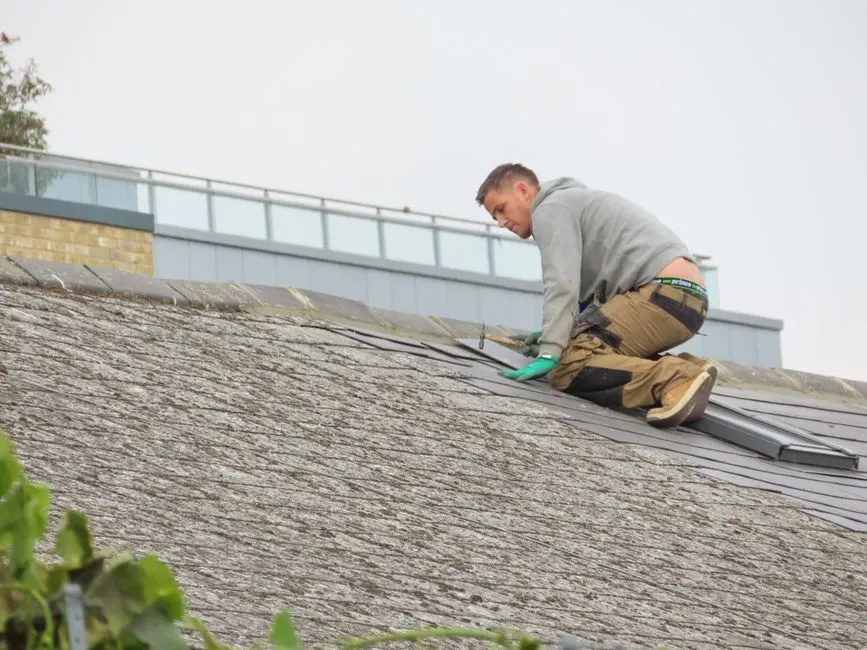
Gutter Repair & Cleaning
Overflow is the top cause of eave rot — see how gutter seams, pitch and cleaning are handled.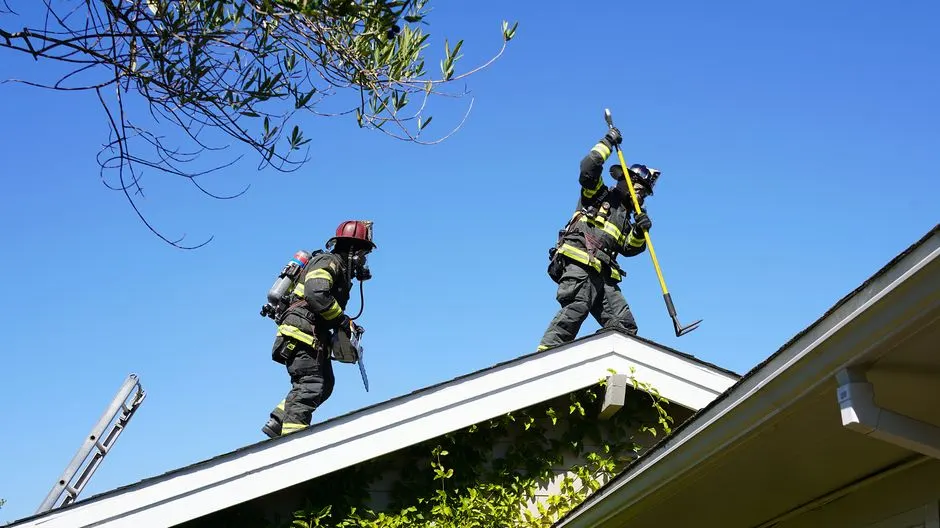
Gutter Installation
When a failing gutter run is replaced outright, seamless sizing and pitch protect the new wood behind it.Roof Maintenance
Scheduled roof checkups catch eave staining, peeling and vent blockages while they are still small repairs.Ready when you are
Get Your Fascia and Soffit Repair Quote
Request an itemised quote in writing: scope, materials and total confirmed before any work starts.
Talk with the local team
Request Fascia and Soffit Repair
Sparkling City Roofing, 3022 Morgan Ave, Corpus Christi, TX 78405.