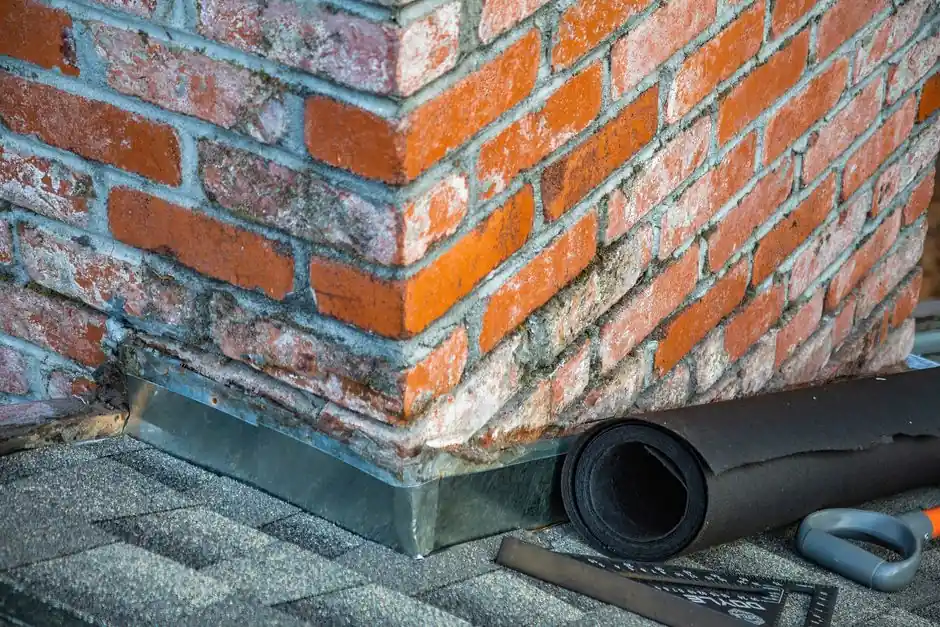
Impact damage checks for Coastal Bend roofs
Hail Damage Roof Repair in Corpus Christi
Hail on the Coastal Bend is less frequent than wind, but when a cell drops hard ice over a neighbourhood, the damage is subtle and easy to miss from the ground. Sparkling City Roofing arranges roof-level inspections that separate genuine impact damage from ordinary wear.
Live phone supportUpfront optionsBacked workmanship
What hail leaves behind
The Three Marks a Hail Cell Leaves
Hail damage is rarely a hole. It is a pattern of small failures that only makes sense when an inspector reads them together across the whole roof.
Bruised and Fractured Mats
A hard strike fractures the fiberglass mat inside the shingle. The surface may look intact, but a palm pressed over the spot feels softness because the reinforcement has cracked and the surrounding asphalt has lost its structure.
Granule Loss That Compounds
Impact knocks protective granules loose at the strike point and into gutters and downspout splash blocks for weeks afterwards. Bare asphalt then faces direct Gulf sun, oxidises and sheds still more granules in a slow cycle of decline.
Dented Metals as Collateral Proof
Gutters, vent caps, turbine vents and metal flashing dent long before shingles fail. Fresh, random dents across those accessories are often the clearest early signal that a storm reached damaging size over your home.
Evidence, not opinion
How an Inspection Proves Impact Damage
A credible check starts with test squares. The inspector chalks a 10-by-10-foot square on each slope, circles candidate strikes and counts the hits that actually fractured the mat, distinguishing them from scuffs, blisters and mechanical marks left by foot traffic or tools. Palm pressure matters as much as eyesight: a true strike feels soft or spongy because the reinforcement under the asphalt has broken, while superficial marks sit on sound material.
Collateral evidence carries real weight. Dents in soft metal, spatter marks on painted surfaces and granules gathered at downspout outlets all help date and size the event. Photographs should show each test square wide enough to prove location and then close enough to show the circled hits, with slope direction noted. That structure is what lets an adjuster reinspect quickly and reach the same conclusion instead of starting a second, conflicting count.
- Chalked test squares on each directional slope
- Palm testing for soft, fractured strike points
- Collateral checks on vents, flashing and gutters
- Granule collection points photographed at downspouts
- Slope-by-slope hit counts in the written report
From finding to fixing
What Happens After Damage Is Confirmed
Once functional hits are documented, the work follows a sequence that protects both the roof and any claim attached to it.
Map Hits Slope by Slope
Each confirmed hit is mapped by slope, so partial damage is described precisely. A west slope that took the storm head-on may need extensive work while a sheltered east slope needs none at all.
Replace Fractured Shingles
Individual bruised shingles are lifted and swapped where surrounding material is still pliable and sealed. On older, brittle roofs the same attempt can crack neighbours, which changes the honest scope of the job.
Restore Flashing and Vents
Dented or split flashing, vents and ridge material are renewed with the shingle work, since hail that bruised a field of shingles rarely spared the accessories crossing it.
Record the Finished Condition
Fresh granules shed for a few weeks after any repair. The inspection report stays on file so later shedding, leaks or a second storm can be compared against a known baseline rather than guessed at.
Reading the results
Repairs Matched to the Age of the Roof
Spot repairs work best on roofs with pliable, well-sealed shingles elsewhere. A roofer can lift tabs, slide in matched replacements and reseal the courses above without disturbing sound material. The picture changes on an ageing roof where tabs snap instead of flexing and the sealant bond has gone: every attempted swap creates new fractures, and the practical choice becomes a slope-level or full replacement conversation supported by the hit counts.
Documentation outlives the repair either way. Hail cells in this region arrive inside larger wind events during the June-to-November season, and a home can collect damage from more than one cell in a single year. A dated, slope-mapped report from the first event makes the second event far easier to prove, because new strikes can be separated from the ones already recorded and repaired.
- Test squares counted separately for each slope
- Collateral metal dents support the size finding
- Brittle older shingles may need wider replacement
- Keep the dated report for future storm comparisons
Pricing process
Pricing
$450 - $2,850 depending on hit density, slope access and how much material must be replaced
Hit Count Sets the Scope
Scattered bruised shingles replaced across one or two slopes sits low in the band, while multiple slopes, brittle material that will not lift cleanly and decking repairs raise the figure.
Inspection and Documentation Are Free
A focused proof inspection with chalked test squares and photo records is arranged through us at no charge, and the same evidence pack supports a claim if you choose to file one.
Itemized Written Quotes
Repairs are quoted in writing, itemized by slope and material, so you can set the quote beside an insurer scope and see exactly what each line covers.
Questions before we arrive
Frequently Asked Questions
How does an inspector tell a hail bruise from a blister or wear spot?
A bruise is a soft, fractured spot where the shingle mat has cracked beneath the surface, often with loosened granules and a slight depression you can feel with a palm. A blister is a raised bump caused by trapped moisture or manufacturing voids, not impact. Bruises typically cluster in a storm pattern on the slopes facing the weather; blisters scatter randomly and rarely support a claim.
Can hail crack older shingles without leaving a soft bruise?
Yes, and this is one of the most disputed points in hail claims. Hail large enough to fracture fiberglass mats on pliable modern shingles may only dent older, brittle ones without the classic soft bruise. Inspectors therefore also test metal accessories, examine collateral marks on vents and gutters, and chalk-test slopes to build a fuller picture than touch alone.
Why does heavy granule loss after a storm shorten shingle life?
Granule loss exposes asphalt to direct sunlight. The asphalt oxidises, turns brittle and loses its grip on the remaining granules, so shedding accelerates year after year. A bruised area can go from cosmetic to leaking as the mat cracks through, which is why a single heavy granule season is worth documenting even when no leak has started.
Why do adjusters look at vents and gutters as hail evidence?
Soft metals such as vent caps, turbine vents, flashing and gutter faces dent far more easily than shingles fracture. A pattern of fresh dents on those accessories supports that hail reached damaging size, while unmarked metal beside claimed shingle damage raises questions. Adjusters weigh this collateral evidence heavily when test-slope counts are borderline.
What is a test square and how many hits does a slope need?
A test square is a marked 10-by-10-foot area, 100 square feet, on each directional slope. The inspector counts functional hits inside each square, and the total per square is compared with the threshold in your policy and the shingle type. Because slopes face different directions, one slope can fail the count while another passes, which is why partial-slope approvals happen.
Related services
Related Services
Ready when you are
Get Your Hail Damage Roof Repair Quote
Request an itemised quote in writing: scope, materials and total confirmed before any work starts.
Talk with the local team
Request Hail Damage Roof Repair
Sparkling City Roofing, 3022 Morgan Ave, Corpus Christi, TX 78405.