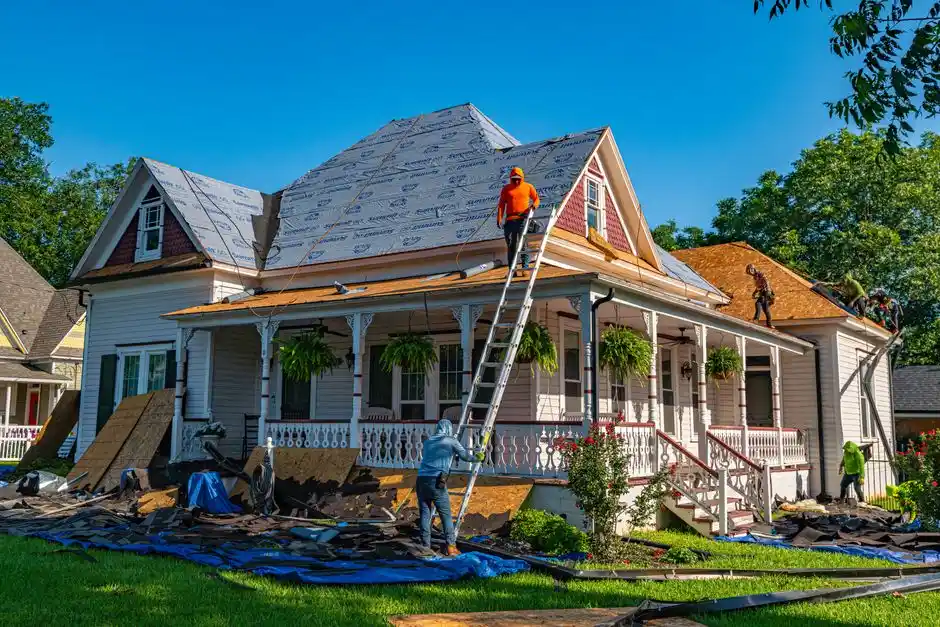
The layer under the covering decides everything
Roof Decking Repair & Replacement
You cannot see this layer from the street, but a soft, sagging or rotted deck undermines every shingle, panel and fastener above it. Sparkling City Roofing helps Corpus Christi homeowners get deck problems diagnosed properly — whether they surface mid-replacement or as a repair in their own right.
Live phone supportUpfront optionsBacked workmanship
Finding the problem
Signs the trouble is below the shingles
The deck is the wood sheathing nailed across your rafters — the surface underlayment and shingles, tile or metal are fastened to. When it stays wet, it loses stiffness and holding power, so fasteners work loose, coverings flex and sealant bonds break. A roof can look tidy from the street while the layer doing the real structural work is quietly failing underneath.
Deck trouble usually announces itself indirectly. From the attic, look for dark staining, panels that feel soft to a firm press, and daylight showing where sheets have shrunk or rotted apart. From outside, a shallow sag between rafters or a slope that feels springy underfoot during other work are classic warnings.
- A spongy or bouncy feel underfoot during any roof work
- A visible dip or wave along a slope that used to run straight
- Dark staining, softness or daylight visible from the attic side
- Rusty fastener tips poking through thinned, crumbling wood
- Leaks that keep returning to the same area despite sound surface repairs
Material choices
Plywood, OSB and thickness on the humid coast
Both mainstream panel types work when they stay dry. Their failure habits in Gulf moisture are different, and that shapes the repair choice.
Plywood: stiff and forgiving
Plywood panels are built from cross-laminated veneers, which makes them stiffer for their thickness and better at holding fasteners after a wetting event. They cost more per sheet, and prolonged moisture can still separate the layers, but they tend to dry back closer to their original shape.
OSB: common, edge-sensitive
Oriented strand board is the more common and lower-cost panel on newer Corpus Christi homes. Its weakness is the cut edge: once water reaches it, strands swell and the edge lifts permanently, telegraphing ridges through shingles and breaking the flat plane fasteners rely on.
Thickness has to match the field
Most residential decks are 7/16-inch or 1/2-inch panels, with thicker 5/8-inch sheathing on wider rafter spacing. The replacement should match the surrounding deck unless an engineer or code requirement says otherwise — a single thicker sheet creates a visible step under thin coverings.
The deck is the attachment surface
This wood surface is what windstorm and FORTIFIED-style standards actually fasten to. Ring-shank nails on a tight schedule through sound sheathing are what keep a covering attached in 130 mph-plus coastal wind zones; no shingle rating compensates for nails driven into rot.
The process
How deck work is handled, in or out of a re-roof
Inspections and written, itemized quotes are free, and deck pricing should be agreed per sheet before any tear-off begins.
Diagnose from attic and surface
The provider checks the attic side for staining and softness, walks the slopes where safe to feel for bounce, and reviews any leak history to narrow down which sections are suspect before anything is opened.
Agree the per-sheet rate first
A fair quote names the per-sheet rate, the thickness and material, and how the final count will be documented — usually with photos of each replaced sheet before the new covering hides it.
Expose the suspect sections
During a replacement, tear-off exposes the full deck for a sheet-by-sheet check. As a standalone repair, only the covering over the bad area is removed, which is why covering condition matters to the scope.
Cut out, fit and fasten
Bad panels are cut out to the rafters, new sheets are fitted with small expansion gaps, and fastening follows the edge and field spacing the wind zone requires rather than the looser pattern older homes often have.
Dry in and document
Underlayment and covering go back over the new wood the same day where possible, and the paperwork — sheet count, photos, fastening notes — is kept with the roof file for insurance and resale.
Scope decisions
Patch a section or re-deck the whole slope?
A patch makes sense when damage is genuinely local — one plumbing vent that leaked for a season, one valley that trapped water — and the surrounding sheets are firm, flat and holding fasteners well. Cutting out a few squares of bad wood and matching the panel thickness restores the surface without paying to replace wood that has decades left in it.
The math flips when problems are spread out. If a third or more of a slope is soft, swollen or delaminated, patching means repeated covering removal and a patchwork plane that thin coverings will show. At that point roof decking repair stops being economical section by section, and re-decking the slope — or the whole roof during a planned replacement — is the cleaner, cheaper-per-sheet route.
- Isolated rot under one flashing or valley: patch
- Fasteners pulling through across a whole slope: re-deck that slope
- Edge swell or delamination on most sheets: full re-deck with the replacement
- Deck sound but covering worn out: leave the wood, replace the roof
- Sagging caused by rafter damage, not panels: structural repair first, deck second
Pricing process
Pricing
$900 - $3,200 for a partial re-deck depending on sheets replaced, deck thickness and the covering above it
Per-sheet installed rate
Each 4x8 sheet runs $85 - $130 installed for plywood or OSB, including labor. The count found at tear-off is the main variable, which is why quotes should state the per-sheet rate in advance.
Partial re-deck
Replacing the damaged sheets on part of a roof typically runs $900 - $3,200 depending on how many sheets are involved and what covering has to come off and go back.
Full re-deck during replacement
Replacing every sheet as part of a full replacement typically adds $3,500 - $7,500. Steep pitches, two-story access and tile or metal coverings sit toward the higher end.
Questions before we arrive
Frequently Asked Questions
Can one spongy area be cut out and patched on its own?
In many cases yes. The covering above the spot is lifted or removed in a small area, the bad section is cut out between rafters, and a matching-thickness patch is fastened and covered again. The limit is access: brittle shingles, fragile tile or a covering near the end of its life may crack when disturbed, which can turn a deck patch into a wider conversation.
Why does OSB swell at the edges after a slow leak while plywood tends to delaminate?
OSB absorbs water at its cut edges and the strands swell, leaving a raised, uneven surface that rarely flattens again even after drying. Plywood resists edge swelling better, but standing moisture separates its glued layers until the panel loses stiffness. Both fail if a leak runs long enough — the difference is shape of the damage, not immunity.
What nail pattern and spacing does the deck need for a windstorm inspection to pass?
Panels are fastened to every rafter they cross, with closer spacing along panel edges than in the field of the sheet, using the schedule in local windstorm requirements for the home's exposure. That pattern is part of what an inspector verifies during a certified re-roof, because uplift resistance starts at the deck attachment, not at the shingles.
How long can exposed new decking sit before underlayment must go on in Gulf humidity?
Ideally it does not sit exposed at all. In Gulf humidity, bare panels can pick up surface moisture overnight, so work is normally sequenced slope by slope with underlayment following the same day. If weather forces a pause, the deck should be dried and checked before it is covered, since sealing damp wood under a membrane stores the problem inside the roof.
Does a thicker deck panel change the fastener length used for shingles or metal?
Yes. Fasteners must pass through the covering and bite properly into the deck, so moving from a thin, worn panel to a thicker replacement can call for longer nails or screws. The provider should confirm the fastener schedule for the new thickness rather than reusing whatever came out of the old roof by default.
Related services
Related Services
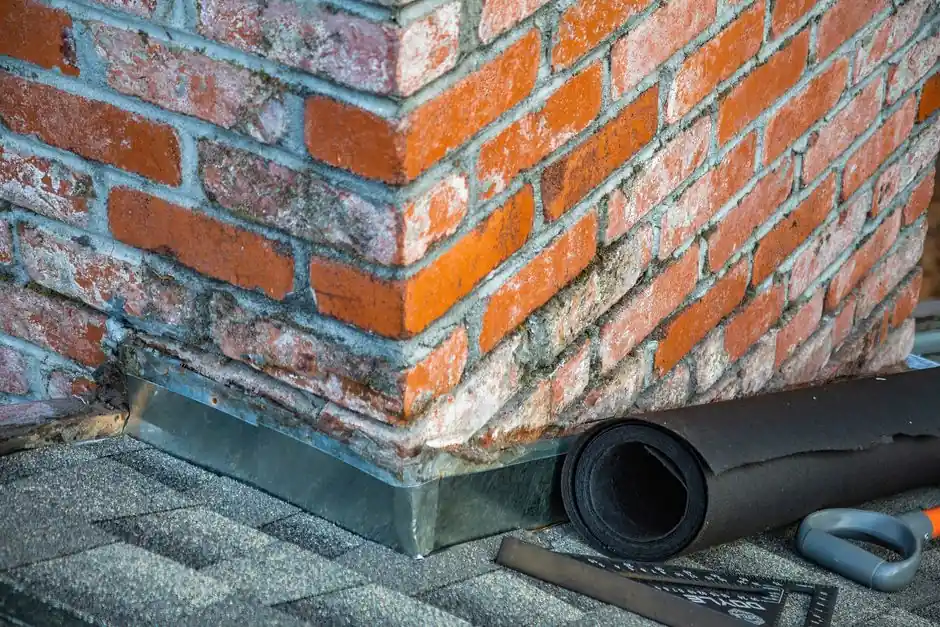
Roof Repair
Surface repairs for shingles, flashing and leaks when the wood underneath is still sound.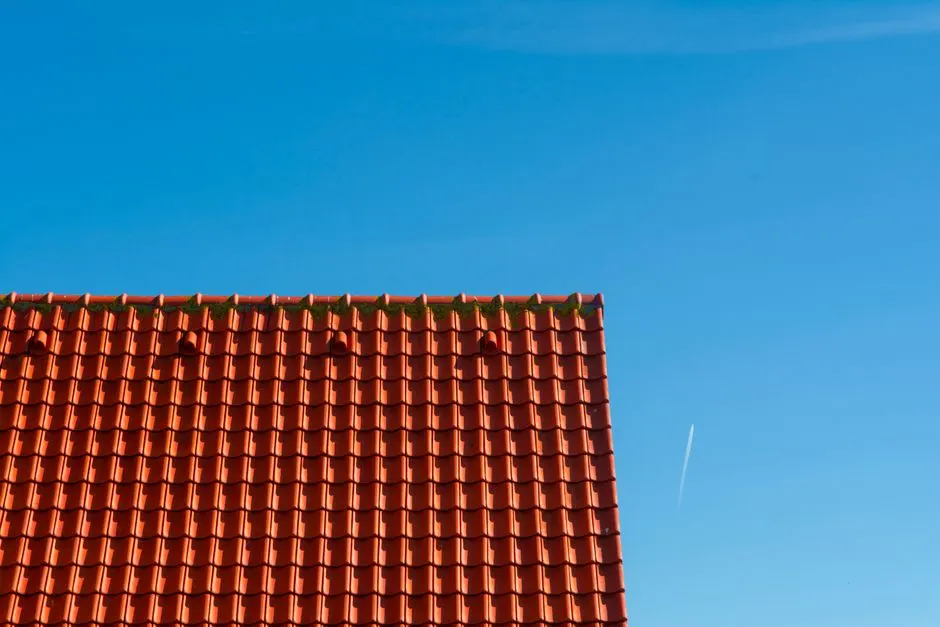
Roof Replacement
Full tear-off and replacement, where deck condition is checked sheet by sheet before the new system goes on.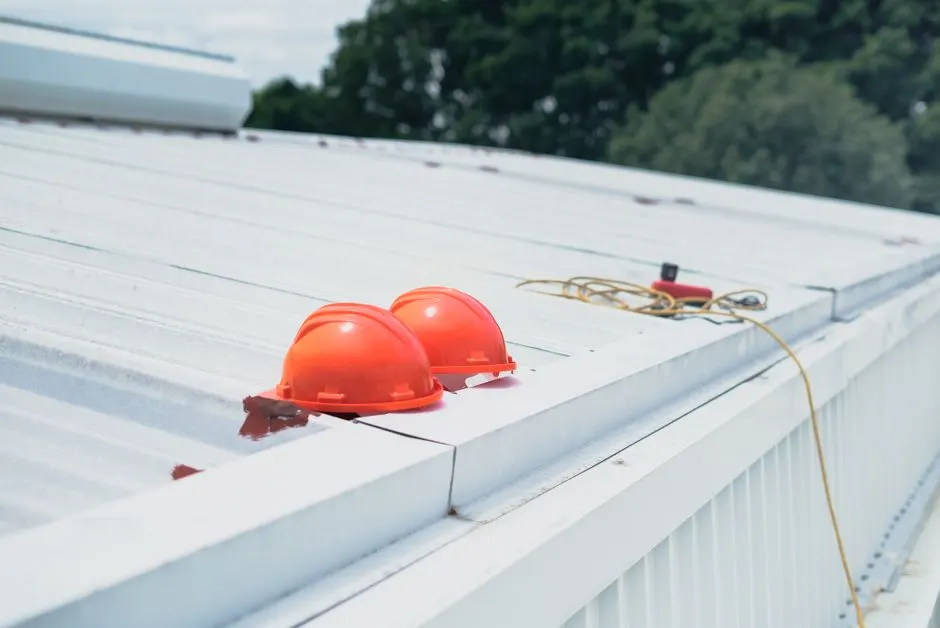
Roof Inspection
A documented inspection can flag bounce, sag and attic-side staining that point to deck trouble early.Ready when you are
Get Your Roof Decking Repair & Replacement Quote
Request an itemised quote in writing: scope, materials and total confirmed before any work starts.
Talk with the local team
Request Roof Decking Repair & Replacement
Sparkling City Roofing, 3022 Morgan Ave, Corpus Christi, TX 78405.