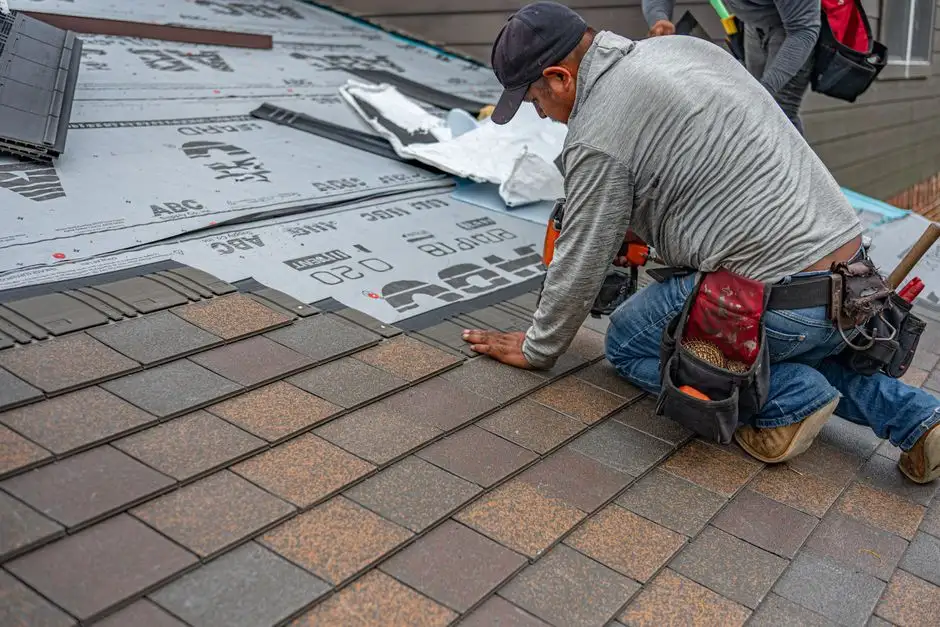
Watertight at the sections that cannot leak
Roof Waterproofing for Sections That Cannot Leak
Some parts of a roof are allowed no second chances: the porch tied into the house wall, the deck built over a bedroom, the low-slope section that drains slowly after every Gulf storm. Sparkling City Roofing matches Corpus Christi homeowners with providers who build proper waterproof systems at exactly those sections.
Live phone supportUpfront optionsBacked workmanship
The key distinction
Waterproofing is not the same job as coating
This difference matters, so here it is plainly. A roof coating is a surface restoration: it renews the weathered top of an existing roof field, adds reflectivity and buys the underlying system more years. It assumes the roof underneath is already keeping water out. Roof waterproofing is a different promise — building a continuous, water-tight membrane at a section or detail that must never leak, because living space, a wall junction or a near-flat slope sits directly below it.
Confusing the two is how porches get a fresh coat of paint-like product over open seams and leak again by the next storm season. If a section ponds water, ties into a wall, or covers a room, it should be specified, detailed and priced as a waterproof system — with reinforced joints and proper terminations — not as a cosmetic surface treatment.
- Coating: a protective surface layer over a roof that is already watertight
- Waterproofing: a membrane system built to hold standing contact with water at joints
- Coating failure usually shows as wear; membrane detailing failure shows as a leak
- A section over living space deserves the membrane standard, not the coating standard
- Quotes should name which of the two you are actually buying
Where it applies
The sections where a membrane earns its cost
Waterproofing is targeted work. It goes where the consequences of a leak are worst and the geometry of the roof is least forgiving.
Porch and patio tie-ins
Where a porch roof dies into the house wall and drains across a nearly flat slope, wind-driven rain tests every inch of the tie-in. A liquid membrane with reinforced fabric at the junction turns the whole section into one continuous pan.
Balcony and deck over living space
A roof deck over a garage or bedroom has no attic to forgive a mistake — the first drip is on the ceiling. These sections get the full membrane treatment: primed substrate, reinforced corners and a termination at every edge.
Low-slope additions
Additions, carport conversions and rear extensions often sit at slopes too low for shingles and too small to justify a full commercial-style system. A liquid-applied membrane fits these in-between sections without seams every few feet.
Seams and penetrations as a set
Drains, vent stacks, skylight curbs and the seams where two materials meet are where low-slope roofs actually leak. A programmed sealing pass over every detail, on a schedule, is waterproofing maintained as a system rather than patched as a surprise.
The process
How a section is built to stay watertight
Inspections cost nothing and itemized quotes are free; yours should list the substrate preparation and detail work, not just a product name.
Assess substrate and drainage
The provider checks what the section is made of, whether old material is saturated, and how it drains, because a membrane over wet or delaminated substrate fails from underneath no matter how good the product is.
Prepare and prime the surface
Loose material is removed, the surface is cleaned and dried, cracks and joints are filled, and primer is applied where the system requires it for adhesion.
Reinforce every detail
Corners, drains, seams and penetrations get polyester fabric or tape reinforcement set into a base coat first. These details are built before the field, never dabbed on afterwards.
Apply the membrane to gauge
The membrane is applied in coats to the specified thickness, checked wet with a gauge, and terminated properly at walls and edges with flashing or reglet details rather than a feathered edge.
Inspect the cured system
Once cured, the section is inspected for pinholes and thin spots, drainage is confirmed, and the maintenance interval for exposed membranes is set out in writing.
Keeping it sealed
Detail sealing as an ongoing program
Below the visible covering, waterproof underlayment plays the same role on vulnerable pitched slopes: self-adhered membrane at eaves, valleys and penetrations that seals around fasteners and keeps wind-driven rain that gets past the covering from reaching the deck. On the coast, upgrading that hidden layer at the known weak lines is one of the highest-value parts of any re-roof specification.
Exposed waterproof sections then need the same mindset as any system: periodic detail checks instead of emergency calls. Membranes do not usually fail across the open field — they fail at a drain ring, a curb corner or a wall termination that nobody has looked at in five years. A scheduled sealing visit works through those points as a set, which is cheaper and far more reliable than chasing one leak at a time.
- Peeling or blistering film, which signals moisture trapped under the membrane
- Open or cracked detail work at drains, curbs and wall junctions
- Ponded water still sitting 48 hours after rain has ended
- Seams on adjoining roof fields lifting toward the waterproofed section
- Any new ceiling stain below — small, early and worth tracing fast
Pricing process
Pricing
$1,800 - $4,600 for a typical porch or low-slope section depending on size, substrate condition and detail count
Membrane, per square foot
Liquid-applied membrane runs $4.50 - $8.50 per square foot installed, with reinforced detail work at edges, drains and penetrations driving the higher end of the range.
Typical porch or low-slope section
A typical porch or low-slope section runs $1,800 - $4,600 all-in. Small sections cost more per foot than large ones because the termination and flashing details take the same time either way.
Detail sealing visit
A detail sealing visit covering seams, fasteners and penetrations runs $450 - $1,200 depending on how many details the roof has and how accessible they are.
Questions before we arrive
Frequently Asked Questions
How is a liquid membrane tested for pinholes or thin spots before it is signed off?
A provider checks wet-film thickness with a gauge during application, then inspects the cured surface for pinholes using strong angled light — and on larger flat sections, electronic leak detection can scan the finished membrane. Thin spots found early simply get another pass of material; the point of testing is to catch them before furniture and ceilings sit under the section.
Can waterproofing be applied around an existing skylight curb without removing the skylight?
Yes, in most cases. The membrane is dressed up and over the curb and terminated under the skylight's own flashing or cap, so the unit stays in place while its base becomes part of the waterproof field. A cracked dome or failed skylight seal is a separate fix, and the inspection should distinguish the two rather than sell you both.
What happens at the wall junction where a porch roof meets siding?
That junction is treated as a termination detail, not a lap. The membrane runs up the wall behind the siding or into a reglet, is mechanically terminated, and a counter-flashing sheds wall water over it. Simply coating up to the siding face leaves a feathered edge that driven rain gets behind within a season or two on the coast.
How long must a low-slope section stay dry before a liquid membrane can be applied after rain?
The substrate has to be surface-dry and within the product's moisture limits, which in Gulf humidity usually means at least a full dry day after rain for porous surfaces, and longer where ponded water sat. Applying over damp concrete or saturated old roofing traps moisture that later blisters the film, so honest scheduling waits for the dry window.
Does a waterproof membrane under tile or metal need a different product than an exposed one?
Yes, they are specified differently. A membrane buried under tile, metal or pavers is chosen for toughness and compatibility, since it can never be inspected or recoated once covered, while an exposed membrane needs ultraviolet resistance and is maintained like a coating system. The quote should say which type is being used and why.
Related services
Related Services
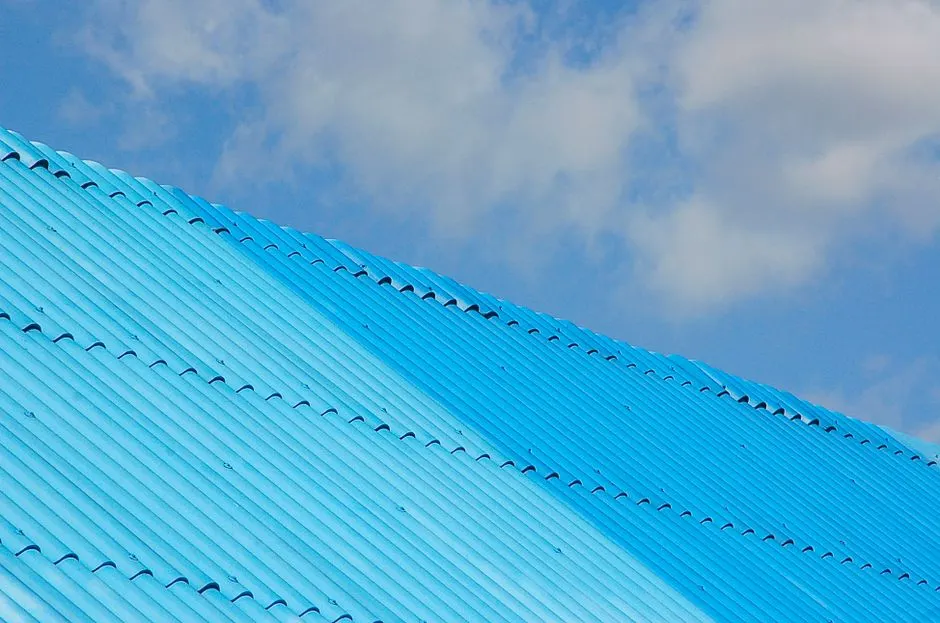
Roof Coating
Coatings restore and extend an existing roof field that is still fundamentally watertight.
Flat Roofing
Whole flat roof systems for homes and additions, from membrane choice through drainage design.
Roof Leak Repair
When water is already getting in, leak tracing finds the entry point before any system is sold.Ready when you are
Get Your Roof Waterproofing Quote
Request an itemised quote in writing: scope, materials and total confirmed before any work starts.
Talk with the local team
Request Roof Waterproofing
Sparkling City Roofing, 3022 Morgan Ave, Corpus Christi, TX 78405.