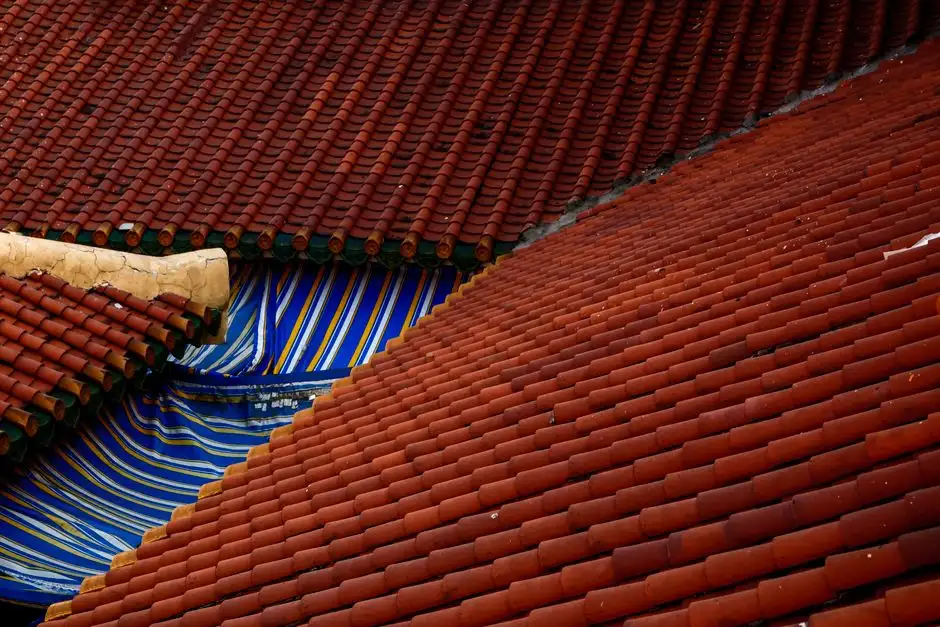
The city's oldest streets, from downtown to Del Mar
Roofing in Central City Corpus Christi for Older Homes
Central Corpus Christi — ZIPs 78401 and 78404 — holds the city's oldest housing stock: bungalows, cottages and family homes built from the 1920s through the 1970s around downtown, Six Points and the Del Mar area. Sparkling City Roofing helps central-city owners care for aging roofs with free inspections and written, itemised quotes.
Live phone supportUpfront optionsBacked workmanship
Old-stock problems
What Aging Central City Roofs Deal With
Older central homes were built well, but their roofs carry decades of heat, patching and earlier design habits.
Worn three-tab shingles everywhere
Three-tab shingles were the standard cover for much of the central city's life, and many homes in 78401 and 78404 still wear them long past their expected span. Thin, brittle tabs crack in summer heat, lose granules in sheets and tear away in storms that newer architectural shingles would shrug off.
Layered roofs and hidden decking
Some older central homes carry a second layer of shingles over the first, a shortcut from decades ago. Layers hide soft, rotted decking, add weight older framing was never asked to carry and make honest repair almost impossible until the stack is opened.
Ventilation that was never designed
Homes built before modern ventilation practice often have a vent or two added at random, or none at all. Trapped attic heat in a central-city summer bakes shingles from beneath, warps decking and pushes moisture into old plaster ceilings below.
Ventilation in old homes
Why Central City Attics Cook Their Own Roofs
Walk into a central-city attic on an August afternoon and the problem explains itself. Homes around the bayfront, Crosstown and South Staples were built when attic airflow was an afterthought, and many still rely on a couple of small gable vents for a whole roof. Heat builds through the day, the deck stays hot into the evening and every shingle above it ages faster than its years.
Correcting that balance is some of the highest-value work an old roof can receive. Adding proper intake at the eaves and exhaust at the ridge, sized to the attic rather than guessed, lowers deck temperature, dries moisture that drifts up from older bathrooms and kitchens and gives a replacement roof a fair chance to reach its full life. On homes where the roof itself still has years left, ventilation work alone can slow the decline noticeably.
- Intake and exhaust sized together, not added at random
- Blocked or painted-over soffits opened during the work
- Moisture staining in the attic checked as part of the visit
- Ventilation upgrades quoted as their own clear line item
Careful work on old homes
How a Central City Roof Job Is Planned
Older homes need a slower, more investigative start than a newer subdivision house.
Inspect the layers before promising anything
Inspections and written, itemised quotes are free. The visit establishes how many layers exist, whether decking feels soft underfoot and how the attic is ventilating, because those three facts decide what any honest scope can include.
Quote tear-off and unknowns plainly
The written quote states the tear-off, expected decking repairs and ventilation work as separate lines, with a clear note on what could change if hidden rot is found. Old-home owners should never face a single vague number for a roof full of history.
Protect the home's character as work proceeds
Central homes often have original trim, mature plantings and close neighbours on narrow streets. The plan covers access, debris handling and protection for those features, so the finished job leaves the street looking as settled as it did before.
Bayfront to Del Mar
Roofing Across the 78401 and 78404 Core
The central core is not one market. Downtown and bayfront blocks in 78401 mix older homes with small commercial buildings and converted properties, each with different access and roof shapes. Further south and west in 78404, streets around Del Mar College and the established neighbourhoods off South Staples hold block after block of mid-century family homes, many still owned by the families who have maintained them for generations.
What unites them is age and exposure to the same bay-influenced weather that reaches the whole coast, softened slightly by the city's built-up shelter. Roofs here rarely fail from one dramatic event. They fade through patched valleys, brittle tabs and slow attic moisture until one hard storm makes the accumulated wear impossible to ignore. Steady, documented maintenance beats crisis spending on this stock every time.
- Downtown and bayfront homes mixed with small commercial roofs
- Mid-century family homes dominating the 78404 streets
- Slow, cumulative wear rather than single-storm failure
- Keep every inspection note and repair invoice together, because a documented history is a real asset when an older central home changes hands
Pricing process
Pricing
$350 - $1,850 depending on repair scope, layer count and access
Repair band for older central homes
Most central-city work starts as repair — flashing renewal, valley work, section repairs and leak tracing in layered roofs — priced in this band once the inspection shows what is actually involved.
Ventilation as a separate investment
Attic ventilation improvements for older homes are quoted on their own line, in the site-wide $650 to $2,800 band depending on intake work, exhaust type and attic size.
Replacement quoted after layer count
When an old roof is finished, replacement is priced only after layers and decking are known, in a free written, itemised quote that shows tear-off separately.
Questions before we arrive
Frequently Asked Questions
How can I tell if my central Corpus Christi home has two layers of shingles?
Look at the roof edge from a ladder or the street: layered roofs show a thick, stepped edge at the eaves, and shingles often look uneven or wavy across the field. A roofer can also lift a tab corner to count layers directly. Knowing the count matters in 78401 and 78404 because it changes tear-off cost, weight on older framing and whether repair is even possible.
Why does my older 78404 home's upstairs feel so hot under the roof?
Many mid-century central homes have almost no working attic ventilation, so heat collected by the roof all day radiates into the rooms below well into the evening. The same trapped heat is aging your shingles from underneath. Balancing intake and exhaust will not replace air conditioning, but it noticeably reduces attic temperature and slows roof wear. Owners often notice the change first on summer electricity bills and in bedrooms that finally cool down after sunset, long before they think about the shingles above, which is a fair sign the attic is no longer storing a full day of central-city heat.
Are brittle three-tab shingles in the central city worth repairing?
Only in narrow cases. A single damaged area on an otherwise flexible, granule-covered three-tab roof can be patched, but tabs that snap when lifted will crack around any repair and leak again nearby. An honest inspection tests tab flexibility across slopes before recommending money be spent on a roof that is simply finished.
What hidden problems do inspectors find in downtown-area older roofs?
The recurring finds are soft decking hidden under a second shingle layer, valleys patched with surface tar instead of proper metal, and flashing around old chimneys and vent stacks that was sealed rather than rebuilt. None of these show reliably from the street. That is why central-city quotes are written after an on-roof and attic check, not from a drive-by look.
Can ventilation be added to a historic central-city home without changing its look?
Usually, yes. Low-profile ridge exhaust and discreet soffit intake can be fitted to most older rooflines without visible modern hardware from the street, which matters on the core's character streets. The inspection confirms whether the eaves can accept intake vents and which exhaust style suits the roof shape before anything is quoted.
Related services
Related Services
Ready when you are
Get Your Roofing in Central City Corpus Christi Quote
Request an itemised quote in writing: scope, materials and total confirmed before any work starts.
Talk with the local team
Request Roofing in Central City Corpus Christi
Sparkling City Roofing, 3022 Morgan Ave, Corpus Christi, TX 78405.