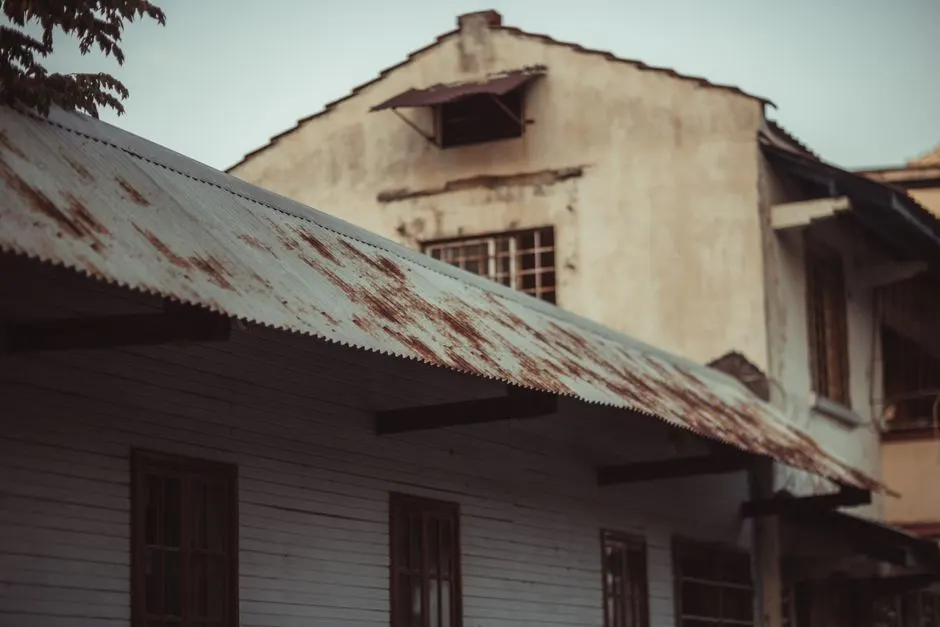
Uplift failures fixed at the edges first
Wind Damage Roof Repair in Corpus Christi
On the coast, wind is the roof problem that arrives every season, not just in hurricanes. Spring fronts and tropical systems alike test every seal, edge and fastener. Sparkling City Roofing arranges inspections that trace uplift damage to its starting point, so repairs hold in the next storm.
Live phone supportUpfront optionsBacked workmanship
Failure patterns
Where Wind Gets Its First Grip
Uplift damage follows the physics of suction and leverage. These are the three starting points an inspector checks before looking anywhere else on the roof.
Creased and Folded Tabs
Repeated gusts flex tabs whose sealant bond has aged out. The tab eventually folds past its elastic limit, leaving a crease across the face and a fractured mat underneath that no amount of resealing will make watertight again.
Edge Metal Working Loose
Uplift starts at rakes, eaves and corners, where suction is strongest. Loose drip edge or starter courses give gusts a purchase point, and each storm works the opening a little wider toward the field of the roof.
Ridge and Hip Failures
Peak suction lifts ridge caps and hip shingles that rely on exposed nails and old sealant. A single missing cap exposes the ridge slot, letting wind-driven rain into the attic along the very top of the house.
Hands-on checks
Testing Seals, Edges and Fasteners
Visual scanning misses the most common coastal failure, because a tab whose seal has released lies perfectly flat on a calm day. Inspectors therefore lift sample tabs across each slope by hand, feeling for the resistance of a live bond versus the easy lift of a released one. The pattern matters: scattered releases on a south slope baked by sun tell a different story from uniform release along a windward rake, and the repair plan follows that pattern.
Fasteners tell the second half of the story. Nails placed too high on the shingle, driven at an angle or corroded by salt spray all reduce holding power long before a storm arrives. In design zones rated 130 to 155 mph, fastener placement and count are not details; they are the difference between a roof that rides out a tropical storm and one that sheds material into the street. Every finding is photographed in place so the scope discussion is about evidence, not impressions.
- Sealant bond tested by hand on every slope
- Crease lines chalked and photographed by course
- Edge metal pulled gently to test fastener hold
- Exposed or backed-out nails logged by location
- Ridge caps checked for nail pops and seal failure
Repair sequence
How Uplift Damage Is Put Right
Repairs follow the order the wind attacked in, starting at the perimeter and working inward to the field.
Secure the Perimeter
Drip edge, rake metal and starter courses are refastened or renewed first, with laps sealed against driven rain. A field repair over a loose perimeter simply gives the next storm the same starting point.
Replace Creased Material
Tabs with fractured mats are removed and replaced, with new units fastened to the pattern the wind zone requires and hand-sealed where the factory strip cannot be trusted to bond in cool or dusty conditions.
Rebuild Ridge and Hip Lines
Ridge and hip caps are renewed as a run rather than singly where seals have failed along the line, because neighbouring caps of the same age share the same weakened attachment.
Seal, Test and Document
Every repaired tab is checked for bond, every new fastener head is sealed, and the finished slopes are photographed. That record shows exactly what was restored if a later storm raises questions.
Local wind reality
Built for 130 to 155 mph Country
Corpus Christi roofs live under design wind speeds between 130 and 155 mph, with the highest figures on exposed island and bayfront lots. Those numbers assume the system was installed as a system: starter courses bonded at the eave, correct nail counts in the reinforced zone of each shingle, sealed laps at every metal joint. Storm repairs that ignore any one of those layers may look tidy in the driveway and still fail at half the wind speed the roof was meant to survive.
Salt air quietly lowers the threshold year by year. Corrosion thins nail shanks and metal edges, ultraviolet exposure embrittles sealant, and each small front that crosses the bay flexes every tab a few thousand times. That is why a wind inspection here is as much about the attachment you cannot see as the shingles you can, and why honest repair scopes talk about patterns across a slope rather than a single missing piece.
- Suction peaks at corners, rakes and ridges
- Released seals hide on calm, windless days
- Fastener placement decides holding power
- Perimeter repairs come before field repairs
Pricing process
Pricing
$450 - $2,850 depending on how many slopes, edges and courses were lifted or lost
Area Affected Sets the Price
Resealing and replacing a small run of lifted tabs near the low end, versus reworking multiple slopes, ridge lines and perimeter metal, explains most of the spread.
Decking Condition Counts
Where gusts peeled back material and soaked the deck, sections of rotted or delaminated plywood may need renewal before new material can be fastened securely.
No-Cost Inspection and Quote
The roof-level check, photo record and written, itemized quote are free, so the full scope and figure are clear before you authorise any repair work.
Questions before we arrive
Frequently Asked Questions
Is a creased shingle repairable, or does it have to be replaced?
A crease is a visible fold line across a tab where it bent sharply in the wind, and the fiberglass mat along that line has usually fractured even if the shingle stayed attached. Creased tabs rarely reseal flat for long, and the broken mat is a direct path for wind-driven rain. Replacing the creased unit is the durable answer; gluing it down only hides the fracture.
Why do lifted shingles crease at the corner instead of folding straight?
Wind works like a lever. Gusts catch the exposed bottom edge and corner of a tab, pressure builds under any unsealed section, and the tab bends upward until it folds or tears. Corners concentrate stress, which is why diagonal crease patterns often run from one corner across the tab face on slope after slope facing the same direction.
Why does edge metal matter more than the shingles beside it?
Drip edge and rake metal are the roof's first grip on the wind. If edge metal is loose, under-fastened or corroded by salt air, gusts get underneath it and start peeling the field of the roof from its perimeter inward. Securing the perimeter first, with correct fastener spacing and sealed laps, removes the entry point most uplift sequences depend on.
Can wind open a roof at the ridge even when the slopes look fine?
Ridge caps sit on the highest, most exposed line of the roof and take suction from both slopes at once. Caps that were nailed through the exposed face, or sealed with aged brittle sealant, loosen early in a storm. Once one cap goes, the opening lets driven rain reach the ridge slot and the attic below, even though every field shingle may survive intact.
Will insurance pay to bring wind repairs up to current code?
A repair can restore like-for-like condition, which is what most claim scopes fund. Bringing attachment up to current wind requirements, such as added fasteners per shingle or sealed deck joints, may be treated as a code upgrade. Whether that portion is covered depends on ordinance-and-law provisions in your policy, so it is worth confirming with the adjuster before the extra work is done.
Related services
Related Services
Ready when you are
Get Your Wind Damage Roof Repair Quote
Request an itemised quote in writing: scope, materials and total confirmed before any work starts.
Talk with the local team
Request Wind Damage Roof Repair
Sparkling City Roofing, 3022 Morgan Ave, Corpus Christi, TX 78405.