Corpus Christi Roofing Permits and Regulations Explained
Most homeowners think about shingles and price, then discover permits, windstorm rules and HOA approvals late in the job. This guide stays at the process level: when permission is needed, who checks what, and what skipping the paperwork can cost later.
Re-roofs generally need a permit; small repairs generally do not
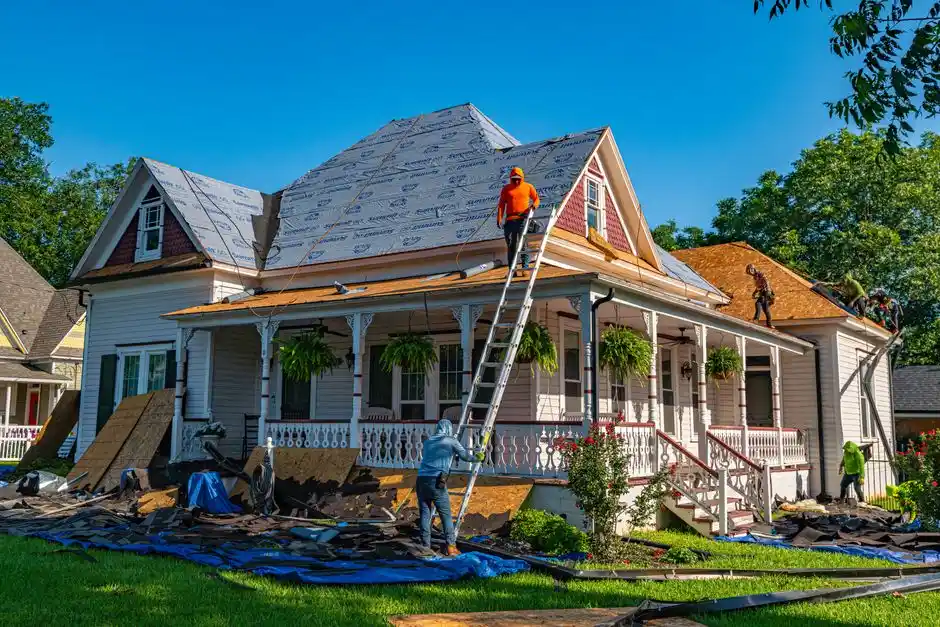
As a working rule in Corpus Christi, replacing a roof covering, tearing off and re-roofing, or making structural changes to the deck or framing is permitted work. The city wants to know that a new roof system is going on, what materials are being used, and that the job will be open to inspection where required.
Routine repairs sit on the other side of the line. Replacing a limited number of damaged shingles, resealing flashing or fixing a small leak area is maintenance, and it normally does not trigger a permit on its own. The grey zone is size and structure: a large section replacement, new decking across much of the roof, or a change of material and weight starts to look like a re-roof. When in doubt, ask the city before work starts, not after it is covered up.
Application, visible stages and a paper trail
A permit application typically identifies the property, the scope of work, the materials and who is performing the job. That record matters beyond the inspection itself: it ties the work to the address and date, which later helps with insurance files, sale disclosures and any question about when the current roof was installed.
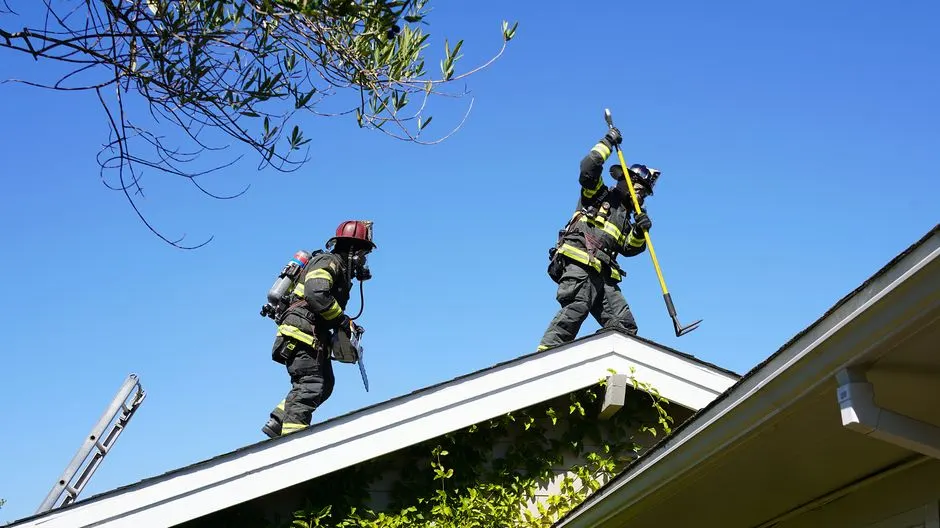
What gets inspected depends on the scope. Work that will be hidden, such as deck attachment or underlayment stages on a windstorm job, may need to be seen before it is covered, while other jobs are checked at completion. Build those timing points into the schedule with your contractor at the quote stage, so an inspection window does not become a surprise delay with the roof open.
The WPI-8 path, at process level only
Corpus Christi sits in the Texas windstorm area overseen through the Texas Department of Insurance, where roofs for windstorm-insured homes are expected to meet coastal wind requirements and be certified through the WPI-8 process. In plain process terms, that means the work is documented, inspections happen at the right stages, and a certificate is issued and filed for the property when the job qualifies.
That is as deep as this guide goes, deliberately. The detailed questions, such as how inspections are timed, what a certificate covers and what happens when paperwork is missing, are answered in depth on this site's windstorm certification FAQ page, linked below. The key planning point here is sequencing: windstorm documentation has to be arranged as part of the job, not reconstructed casually after the crew has left.
- City permit: permission to do the work, and a record that it was done
- TDI windstorm process: proof the roof meets coastal wind requirements
- HOA approval: permission under private neighborhood rules, where they apply
HOA approvals are separate, and they come first
Many Corpus Christi neighborhoods regulate roof color, profile and sometimes material through a homeowners association. That approval is private, not governmental, and neither approval substitutes for the other: an HOA letter does not satisfy the city, and a city permit does not protect you from an HOA challenge over an unapproved color.
Sequence matters for a practical reason. Get any required HOA approval in writing before materials are ordered, using the exact product and color names that will appear on the permit and the contract. Changing a profile after delivery is expensive; changing it on paper is free. Keep the approval letter with the permit and the final invoice as one house file.
Unpermitted work tends to surface at sale or refinance
An unpermitted re-roof may look finished, but it leaves no official record of what was installed, when, or whether it was inspected. That gap commonly appears at the worst moments: a buyer's inspector asks about roof age, a sale or refinance needs documentation, or an insurer or windstorm review asks for certification that was never obtained for the work.
Fixing the gap afterwards is harder than doing it in order. Some work can be evaluated after the fact, but hidden stages cannot be inspected once they are covered, and options narrow quickly. Even where no penalty is involved, the cost shows up as delay, a price concession, or a job partly reopened. Compared with those outcomes, the permit fee and a scheduled inspection are the cheap part of the roof.
Contractor and homeowner responsibilities, in writing
Texas does not run roofing through a single simple licensing story, which makes the written agreement more important, not less. Before work begins, the contract or quote should state who applies for the permit, who schedules any city or windstorm inspections, who meets the inspector, and who corrects anything that is flagged. It should also name the materials and wind rating being installed, so the paperwork and the roof match.
As the homeowner, your part is to keep the file: permit, approvals, contract, invoices, product documentation and any windstorm certificate, together, for as long as you own the home. Sparkling City Roofing is a referral service. We help homeowners make sense of the process before anything is signed; a local contractor's free inspection and itemized written quote are where those responsibility lines should appear in black and white.
Common questions
Good questions
Can a Corpus Christi homeowner pull the roofing permit themselves if a contractor does the work?
A homeowner can often apply as the property owner, but that does not transfer the practical responsibility for code-compliant work, inspection scheduling or windstorm documentation to the city. If a contractor is doing the job, the written agreement should state plainly who applies, who schedules inspections and who corrects anything an inspector flags.
How long does a city roofing permit stay open if weather delays the job?
Permits are time-limited, and the exact window and any extension process should be confirmed with the city when the permit is issued. Weather, material delays and added work can all stretch a roof job in hurricane season, so tell the issuer about a long delay rather than letting the permit quietly lapse with the work half documented.
Do I need a separate permit to replace decking found rotten during a re-roof?
Usually that discovery is handled within the scope of the permitted re-roof as added deck work, rather than as a completely separate roofing project, but the contractor should document the change with photos and note it for inspection and windstorm records. Confirm the local treatment before work continues, because hidden deck replacement is exactly the stage inspectors may want to see.
Does a HOA approval replace the city permit, or do I need both?
No. They are separate approvals from separate authorities. An HOA can approve a color and profile and the job can still need a city permit and windstorm compliance, and a city permit does not override a neighborhood rule. Get the HOA approval in writing first where one is required, so a permitted roof is not later challenged on appearance.
Related services