DIY Roof Repair: The Small Details That Cause Big Leaks
Planned weekend repairs look simple in a short video, and some homeowner tasks genuinely are safe. The trouble is concentrated in the details videos skip: flashing, fasteners, and sealant choices that decide whether water gets in. Here is a balanced look at where the line sits.
The 1 percent of detail that causes most failures
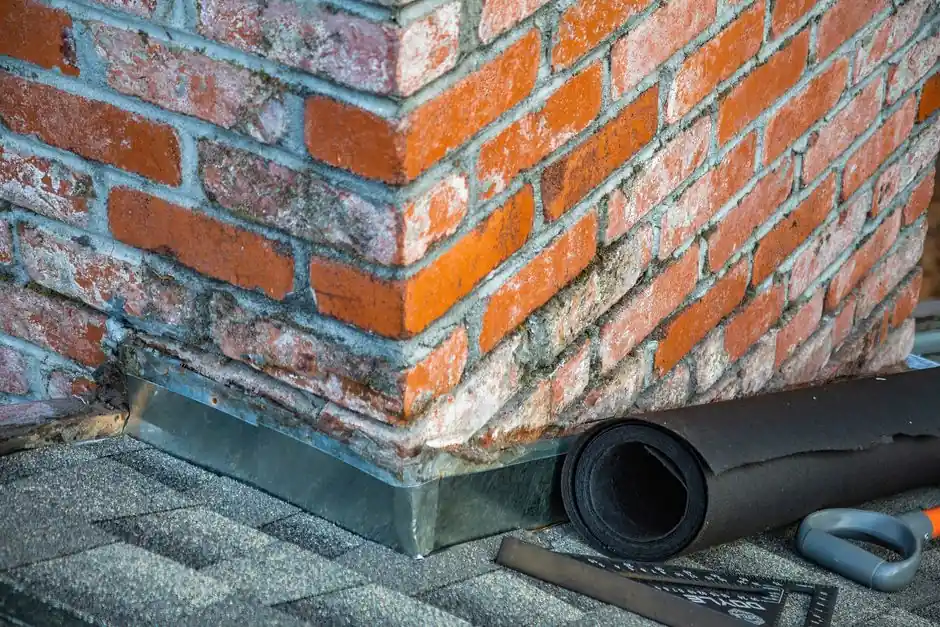
Roof fields are forgiving; roof details are not. The overwhelming share of leaks start at the small percentage of the surface where materials change direction or something passes through: step flashing woven with each shingle course, counter flashing set into a chimney joint, fasteners placed in the correct nailing zone, and sealant lines that sit under laps rather than on top of them.
A planned DIY repair usually gets the visible part right and the hidden sequencing wrong. A shingle laid over flashing that should have been woven, or a nail placed an inch too high, can look finished from the ladder and still channel water sideways in the first wind-driven rain. Coastal rain rarely falls straight down, which is exactly why sequencing matters here.
Wrong products can make the real repair harder
Hardware-store tubes promise a quick fix, and a smear of generic caulk over a flashing joint does sometimes stop a drip for a few weeks. The longer cost is hidden. Many general sealants go brittle in South Texas heat, pull away from metal as it expands, or bond so aggressively that the next repairer cannot lift the flashing without tearing the surrounding material.
Thick surface sealant also conceals the evidence. Cracked metal, a slipped step piece, or rust at a fastener line disappears under a black coating, so diagnosis starts with removal work instead of answers. If a temporary product is ever used, note exactly what it was and where, and tell whoever quotes the permanent repair. Honest information shortens that job.
Falls are the risk no tutorial can edit out
Roof falls are among the commonest serious injuries for homeowners doing their own repairs, and the conditions that cause them are ordinary: a steeper pitch than it looked from the yard, granules that act like ball bearings underfoot, morning dew, or a ladder set on soft ground after rain. Professional crews manage this with footwear, anchors, and staging that a weekend project rarely includes.
Corpus Christi adds its own factors. Afternoon heat on a dark roof is genuinely dangerous, gusts pick up loose material and ladders, and older shingles crack underfoot, creating new damage on the walk back to the ladder. Saving a few hundred dollars is a poor trade against an emergency room visit, and that calculation comes before any question of workmanship.
Warranty and insurance problems follow undocumented work
Manufacturer terms commonly require repairs to follow their methods and use compatible materials. An undocumented patch with the wrong product can give a maker grounds to refuse a later defect claim in that area. Workmanship cover from the original installer can be affected the same way, because that company cannot stand behind details it did not build and cannot inspect without opening them up.
Windstorm documentation deserves the same care on the coast. A certified roof is a recorded assembly, and alterations that change fastening or flashing without records can complicate later inspections, sales, and insurance reviews. None of this means a homeowner cannot touch anything. It means roof-covering repairs carry paperwork weight here that, say, a fence repair simply does not.
Plenty of useful work never requires standing on shingles
The tasks above genuinely help. Ground and ladder-level documentation catches problems while they are still cheap, clear gutters prevent the overflow that rots fascia and backs water under eave shingles, and dated notes give any inspector a timeline to work from. These are the homeowner jobs with real value and manageable risk.
They also have a natural stopping point that makes them safe: you can quit at any moment without leaving the roof open or half-sealed. The moment a task requires removing material, breaking a seal, or leaving a detail unfinished overnight, that safety margin disappears, which is another practical way to tell maintenance apart from repair.
- Photographing every slope from the ground, and from the attic hatch
- Clearing gutters from a stable ladder, with a spotter, without leaning out
- Scooping valley debris you can reach safely from a ladder at the eave
- Noting and dating stains, drips, and missing pieces for an inspection
- Trimming small overhanging twigs from the ground with a pole tool
A simple test for deciding before you climb
Ask three questions. Does the job require lifting, cutting, or fastening the roof covering itself? Does it sit at a flashing, valley, or penetration? Would a mistake stay hidden until water appears inside? A yes to any of them puts the work on the professional side for most homeowners, because the failure mode is concealed and delayed rather than obvious.
Compare the real numbers. Professional roof repair in Corpus Christi typically runs $350 to $1,850, inspections and written, itemized quotes are free, and a proper repair usually restores the paperwork as well as the surface. Planned work, chosen calmly before a leak forces the timing, is the cheapest version of any roof repair.
Common questions
Good questions
Can a do-it-yourself patch create paperwork problems for a windstorm-certified roof?
It can, because the certificate depends on the approved assembly being built and documented as specified. Unrecorded changes to fastening, underlayment, or flashing can create questions at inspection or resale, even if the patch looks neat. If a repair is needed on a certified roof, ask how it will be documented before anyone starts.
Is swapping one damaged shingle really more than a one-shingle job?
Yes, and that is the part most tutorials skip. Neighboring shingles must be lifted without breaking their seal or mat, fasteners have to land in the correct zone, and the new piece must align its exposure and sealant line with the course. On an older, brittle roof, lifting the surrounding shingles often damages them, turning one replacement into several.
Will old sealant I applied make a later professional repair cost more?
Often, yes. Hardened sealant has to be cut and scraped away before flashing can be lifted, inspected, and rebuilt, and the time goes on your invoice. Worse, a thick smeared layer can hide cracked metal or a failed joint, so the repairer may need to remove more material just to see what they are being asked to guarantee.
Which jobs can I do from a ladder without actually getting onto the roof?
Ground-level gutter clearing with a stable ladder, a spotter, and no leaning beyond the rails is the commonest safe example, alongside binocular inspections and photographing slopes from the yard. Anything that requires standing on the roof, lifting shingles, or working at an edge moves out of the safe list for most homeowners.
Related services
Related Services
Roof Repair
Professional repairs for leaks, damaged shingles and flashing, scoped with an itemized quote.
What to Do When Your Roof Starts Leaking
If water is already coming in, start with the first-hours playbook for your rooms and safety.