Energy-Efficient Roofing for Corpus Christi Heat
In Corpus Christi the roof is the largest sun-facing surface on the house, and it decides how hard the rooms below have to fight the summer. This guide stacks the proven measures in order: reflective surfaces, radiant barriers, ventilation, and coatings, with honest limits on what each one can do.
Heat starts at the roof surface
A Corpus Christi roof absorbs the full force of the Gulf summer, and surface temperatures on a dark roof can run far hotter than the afternoon air. That heat radiates into the attic, soaks through the ceiling, and keeps air conditioners working long after sunset. On the worst August afternoons the attic becomes the hottest room in the house, and every degree stored up there is a degree the living space below has to overcome. Cooling a house genuinely starts with what happens on the roof surface, not at the thermostat.
No single product transforms a hot house, and honest expectations matter from the start. Energy-efficient roofing works as a stack: reflect more sun at the surface, block radiant transfer into the attic, move accumulated hot air out, and let insulation resist what remains. The sections below walk that stack in order, so you can see where each measure earns its place.
Cool-rated shingles and reflective metal finishes
Cool-rated shingles use specially coated granules that reflect more near-infrared sunlight than standard granules, so a medium-toned roof can run meaningfully cooler than a conventional roof of similar color. Manufacturers publish solar reflectance figures for these lines, which makes honest product-by-product comparison possible instead of relying on marketing language about cool colors.
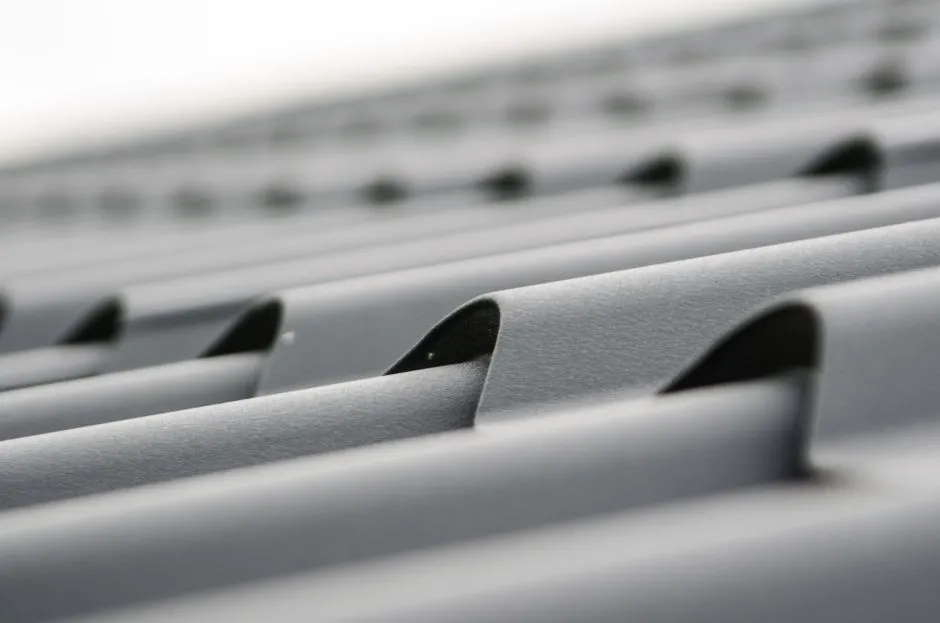
Reflective metal finishes go further. Light-colored and specially pigmented standing seam panels reflect a large share of incoming solar energy and also shed heat quickly once the sun drops, one reason metal is popular on exposed coastal homes. Color still matters: the lightest finishes reflect the most, and some neighborhoods and associations limit palette choices, so confirm any approvals before settling on a finish.
Blocking the heat you cannot see
A radiant barrier attacks a different step in the chain. Installed under the roof deck or over attic insulation, its reflective surface blocks radiant transfer from the hot deck into the attic space. Manufacturer literature commonly cites attic temperature reductions in the 20 to 30 degree range on peak summer afternoons for a properly installed barrier, which is why the measure is so widely used in South Texas construction.
Barriers are easiest to add during a re-roof, when deck-applied products go down together with the new roof, but attic-side installation is also possible in many homes. A barrier is not insulation and does not replace it; it reduces the radiant load that insulation then has to resist. Dust accumulation, gaps in coverage, and blocked airflow paths all reduce real-world performance, so installation quality decides the result.
Ventilation: the partner measure
Ventilation makes the other measures pay off. Balanced intake at the soffits and exhaust at the ridge let the attic purge accumulated hot air instead of storing it against the ceiling, and the same airflow protects shingles and decking from heat and moisture damage. A reflective roof over a sealed, stagnant attic still leaves a reservoir of heat sitting in the lid of the house.
Because balance and sizing decide whether a system helps or hurts, ventilation deserves its own assessment rather than a guess added to a quote. Our attic ventilation page covers intake and exhaust design in depth, and any re-roof proposal for a hot house should state plainly what ventilation changes are included, not just what covering is going on top.
Reflective coatings for flat and metal roofs
For flat and low-slope sections, and for many metal roofs, a reflective coating adds a cool surface without a tear-off. Elastomeric and silicone coatings in bright white finishes turn a heat-soaking membrane or an aged metal surface into a reflective one, while also sealing seams and fasteners and extending the underlying roof's service life when the roof is a sound candidate.
Candidacy is the key word. A coating performs only over a roof that is dry inside, well adhered, and structurally sound, and its reflectivity fades gradually as dirt and salt film accumulate, so periodic gentle cleaning and eventual recoating belong in the ownership plan. The roof coating page details where coatings succeed, and where replacement is honestly the better spend.
Sequencing upgrades and expecting honestly
Sequence upgrades around roof timing. The cheapest moment to add cool-rated shingles, a radiant barrier, and ventilation corrections is during a planned replacement, when every layer is already exposed and labor overlaps. On a sound mid-life roof, start with ventilation balance and attic-side measures, and save surface changes for the re-roof you already know is coming.
Expect comfort gains you can feel, such as cooler upstairs rooms and shorter evening air-conditioner runs, rather than any promised bill figure, because savings depend on insulation, duct condition, windows, and household habits as much as on the roof. Anyone guaranteeing a specific percentage off your cooling bill is selling, not measuring. An inspection and itemized quote through this referral service are free, and a good proposal shows each efficiency measure as its own line.
Common questions
Good questions
Do cool-roof shingles cost noticeably more than standard shingles?
Usually only a modest premium per square over the same manufacturer's standard architectural line, and a full asphalt shingle roof locally still runs about $8,500 to $18,000 depending on size and complexity. The bigger decision is timing: choosing the cool-rated version during a planned replacement captures the benefit for the roof's whole life at the smallest added cost.
Can a radiant barrier be added without replacing the roof?
Often, yes. Attic-side products can be fastened to the underside of the rafters or laid over existing insulation by an installer working from inside the attic, provided access is reasonable and ventilation paths stay open. Deck-applied barriers, by contrast, only make sense during a re-roof. A quick attic inspection settles which route your house allows.
Will a reflective roof make my house colder during South Texas winters?
Barely, and rarely in a way that matters here. Corpus Christi heating loads are small, winter sun angles are lower, and ceiling insulation, not roof color, controls most winter heat loss. For most Gulf Coast homes the long summer benefit outweighs the minor winter trade-off, especially where insulation is already adequate.
How long does a reflective coating stay reflective in coastal air?
Expect gradual dulling rather than sudden failure. Salt film, dust, and ponded dirt typically reduce reflectivity over several years, and gentle cleaning restores much of it. Most owners clean the surface during routine maintenance and plan on recoating on the coating system's normal cycle, often around ten years, to renew both reflectivity and waterproofing together.
Related services
Related Services

Roof Coating
Reflective coatings that extend flat and metal roofs while cutting surface heat.
Attic Ventilation
Balanced intake and exhaust design that purges attic heat and moisture year-round.