Metal or Shingles? The South Texas Heat Test Decides
Most Corpus Christi replacement decisions come down to these two: pay less now for shingles, or pay more once for metal. South Texas heat, salt air and hurricane wind change the usual math, so here is the two-way comparison on its own terms.
Reflectance, attic temperature and the color you choose
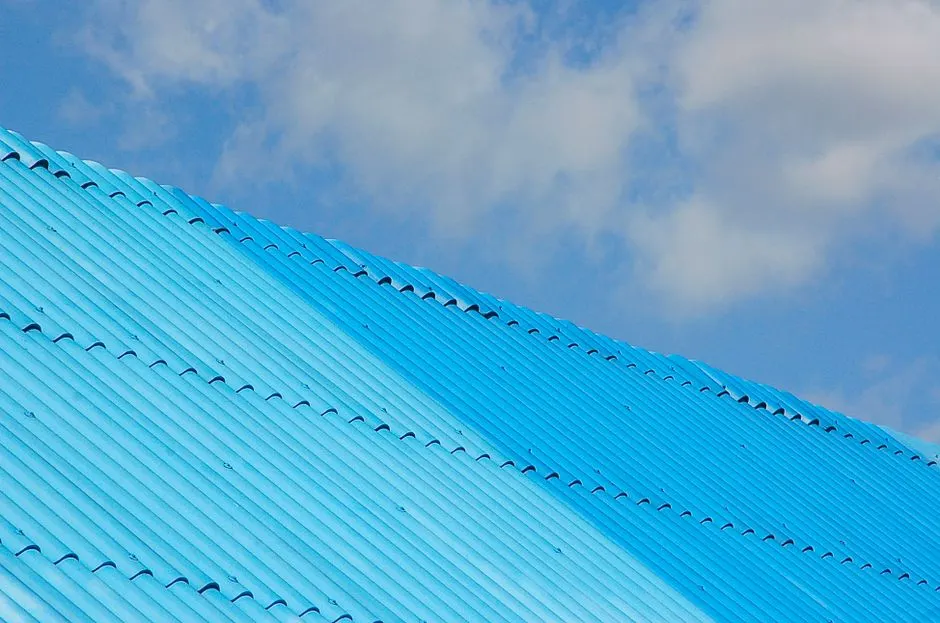
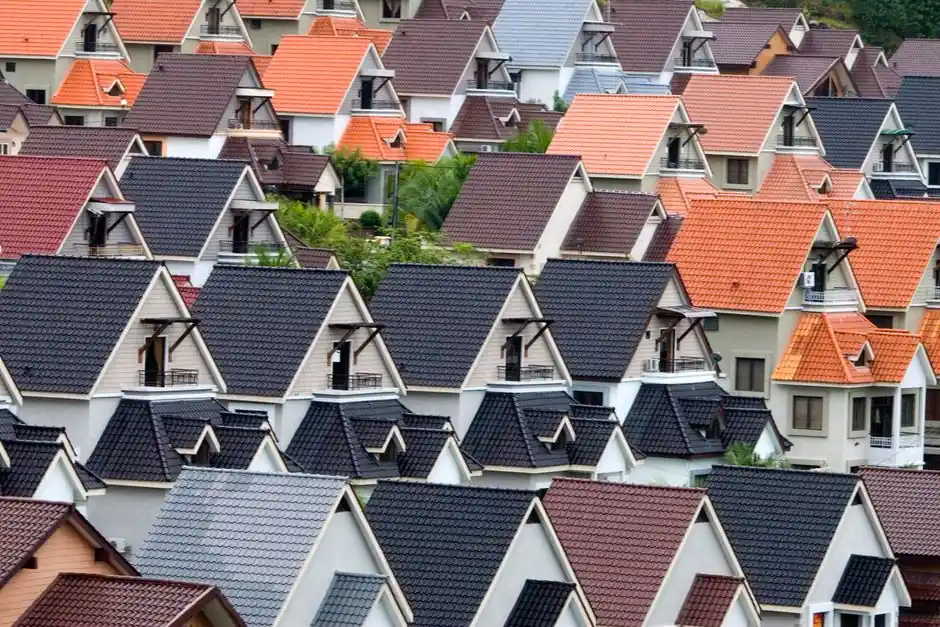
A South Texas roof spends most of its life baking, not storming. Light-colored and reflective metal finishes bounce a meaningful share of sunlight away, which can lower roof surface and attic temperatures compared with a dark shingle roof of similar color. The benefit is real but specific: it depends far more on finish and color than on the word metal itself.
Shingles start at a disadvantage because standard asphalt products absorb heat and then age faster for it, shedding granules and growing brittle through years of thermal cycling. Cool-rated shingle products narrow the gap somewhat. In both cases, balanced attic ventilation and insulation decide how much roof heat reaches your living space, so treat surface choice and attic airflow as one decision, not two.
Fifteen to twenty years against forty to seventy
This is the clearest difference between the two. In Corpus Christi conditions, a good architectural shingle roof realistically lasts about 15 to 20 years before heat, granule loss and weakened sealant bonds make storm resistance and watertightness hard to trust. Inland Texas homes often get longer from the same product; salt air, ultraviolet exposure and hurricane seasons shorten the local clock.
A properly installed metal roof is commonly rated for 40 to 70 years, with the panel system, finish and fastener design deciding where in that range a given roof lands. Concealed-fastener standing seam removes the exposed screws that salt air attacks first, which is why it anchors the long end of that range for homes near the bay. Metal can corrode if the wrong finish meets salt exposure, so the range assumes a coastal-appropriate product.
Ratings, sealant bonds and what age does to both
Quality architectural shingles carry wind ratings up to about 130 mph, provided the manufacturer's specified nailing pattern and starter details are followed, which covers many Corpus Christi design wind requirements. The catch is age: the sealant bond that delivers that rating weakens as the shingle ages, so a 17-year-old shingle roof does not enter hurricane season with its original resistance.
Metal systems, especially interlocking standing seam, tend to carry higher uplift ratings and have no sealant strip to age out. Their wind story is about panel engagement, clips and edge detailing, all of which hold up consistently over time if the fasteners are protected from corrosion. In a 130 to 155 mph design zone, that consistency is a large part of what the extra money buys.
- Shingles: lower first cost, replacement roughly every 15 to 20 coastal years
- Metal: higher first cost, one installation across the same decades
- Both: installation quality decides whether the rated life is reached
Two shingle roofs versus one metal roof
Use this site's ranges for a fair comparison. A full asphalt shingle roof typically runs about $8,500 to $18,000. A standing seam metal roof typically runs about $14,000 to $32,000. On day one, metal can cost close to double, and for a homeowner moving within a few years, shingles are often the rational purchase.
Stretch the timeline and the picture flips. Over 40 years, the shingle owner buys that roof roughly twice, paying a second tear-off, disposal and installation, and absorbing price increases in between. The metal owner pays once, plus maintenance. At the middle of both ranges, two shingle roofs cost more in total than one metal roof, before counting the second round of disruption. The break-even point usually lands somewhere in the second decade of staying in the home.
How carriers and buyers see the two surfaces
Insurers in windstorm country pay close attention to roof age and condition, and the two materials age on different schedules. A shingle roof approaching 20 years can draw carrier pressure at renewal, while a metal roof of the same age is usually treated as mid-life. Some carriers also recognize documented impact or wind ratings; ask yours exactly what it credits rather than assuming a discount.
Buyers tend to read the same facts the same way. A newer metal roof is a visible, long-lived asset in a listing, while an older shingle roof becomes a negotiation point. Neither effect should be overstated, and neither replaces a sound deck, good flashing and proper documentation, including windstorm paperwork where it applies.
Timeline first, then exposure, then budget
Start with how long you will own the home. Under about ten years, quality architectural shingles usually win on simple economics. Beyond fifteen or twenty years, especially in a home you expect to hand down or hold through retirement, metal's single installation becomes hard to beat. Next, weigh exposure: island and bayside homes should weight corrosion-resistant metal more heavily than sheltered inland streets.
Finally, be honest about budget timing. Paying more now only helps if it does not crowd out the deck, underlayment and ventilation work that both materials need underneath. Sparkling City Roofing is a referral service. We help homeowners run this comparison using their own roof's numbers; a local contractor can then inspect the roof free of charge and quote either option in itemized writing.
Common questions
Good questions
How many shingle replacements should a Corpus Christi homeowner budget for during one metal roof's life?
Plan on roughly two, sometimes moving toward a third. A shingle roof that lasts 15 to 20 years on this coast will be replaced about twice during a metal roof's 40-plus-year service life. That is the core of the lifetime math: the second shingle purchase, plus tear-off and disposal, is the cost a single metal roof is bought to avoid.
Do dark metal roofs get hotter than dark shingles in South Texas summer?
In direct sun, both get hot, and roof color usually matters more than material for surface temperature. A light or reflective metal finish can run noticeably cooler than a dark shingle, while a dark metal roof can be just as hot as dark shingles. Ventilation and attic insulation then decide how much of that surface heat ever reaches the rooms below.
Can insurance treat a 20-year-old shingle roof differently from a 20-year-old metal roof at renewal?
Often, yes. Carriers commonly view a shingle roof at around 20 years as near the end of its insurable life and may press for replacement or limit coverage, while a metal roof of the same age is typically mid-life. Policies differ, so ask your carrier how each material is treated at renewal before you choose, and keep installation paperwork either way.
Will switching from shingles to metal require new decking or ventilation changes?
Sometimes. A conversion may need deck repairs found at tear-off, updated ventilation to protect the new system, and different edge and flashing work than the shingle roof used. It does not automatically require a full re-deck or a ventilation rebuild, but a written scope should name any such items separately so you can see what is conversion work and what is not.
Related services