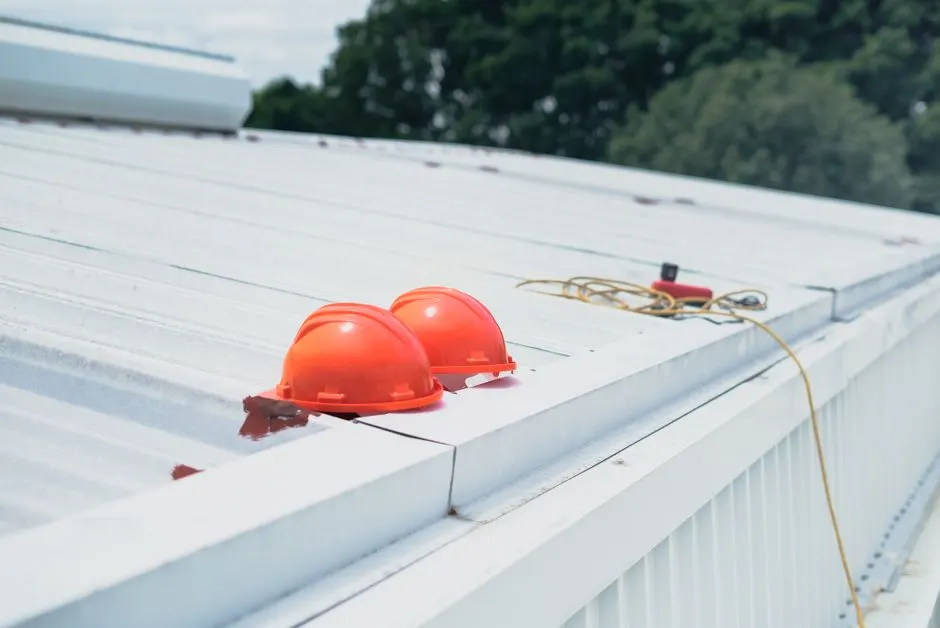
Your Insurer Wants a New Roof. Here Are Your Real Options
A letter saying your carrier wants a new roof is not a storm claim and not always a final verdict. It is usually an age-and-condition decision with a deadline attached. Here is how to read it, what evidence can change it, and how the payout math works if replacement is the answer.
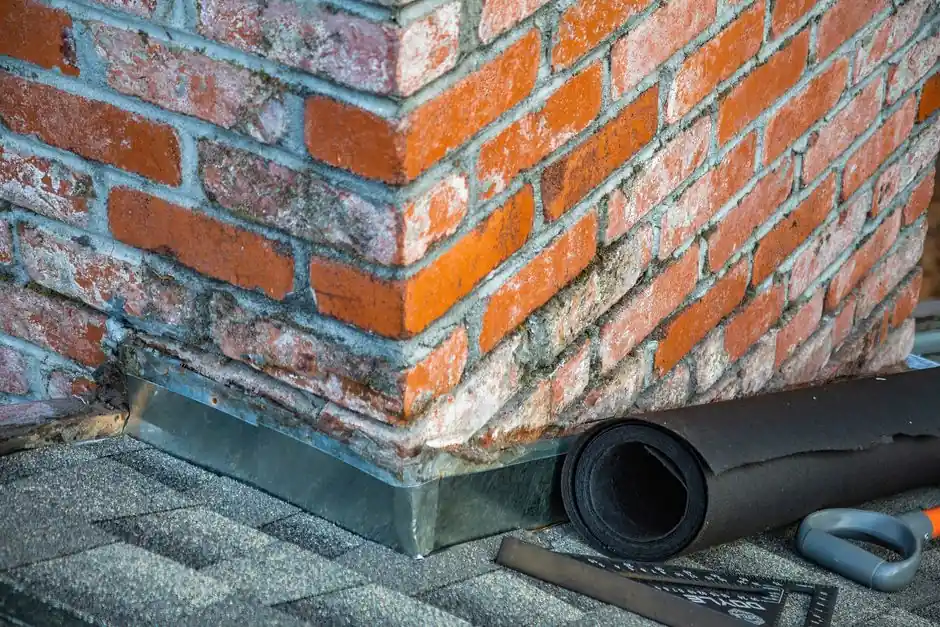
Carriers judge age and condition, not a single storm
This kind of demand usually starts at renewal, after a policy change, or following an exterior inspection or aerial image review. The carrier is not saying a storm damaged your roof. It is saying the roof's age, granule loss, curling, patch history, or visible condition makes it a risk it no longer wants to carry at the current terms.
That distinction matters because the usual storm-claim tools do not apply. There is no date of loss, no adjuster scope for damaged slopes, and often no claim payment waiting. Your response is an underwriting conversation: prove the roof is in better shape than the file suggests, improve its condition, or replace it before the date given.
Four details in the letter decide your whole plan
Before getting quotes, extract those four points and get anything unclear confirmed in writing. Some letters are firm replacement orders. Others list defects, such as lifted shingles, exposed fasteners, or debris and staining, that can be corrected and documented. Guessing wrong is expensive: cosmetic repairs will not satisfy a strict age rule, and a full replacement may be unnecessary for a defect list.
- The exact condition named: age, wear, damage, or missing documentation
- The deadline and whether it is a renewal date or a cancellation date
- Whether repairs plus evidence will be reconsidered, or only full replacement
- Where the response should go, and in what format
A documented repair case works when condition is the issue
If the letter names fixable conditions, the strongest reply pairs the repairs with independent evidence. That means a thorough inspection with dated photos of every slope, close-ups after repairs are finished, invoices describing the work, and a short written summary of remaining service life. The carrier reviews paper and images, so clarity matters as much as the work itself.
Be realistic about the limits. Repairs can correct flashing faults, replace damaged sections, and clear the items an inspector flagged. They cannot make a 22-year-old three-tab roof young again. If the stated reason is a hard age cutoff, ask directly whether any repair evidence would change the outcome before spending money on that route.
When replacing is the honest answer, scope it properly
Where wear is concentrated on one failing slope, ask whether a documented slope replacement would satisfy underwriting, and get that answer in writing before you sign anything. Where several slopes are worn, the deck is suspect, or the carrier's rule is purely age-based, full replacement is usually the only response that closes the file.
Budget from real local bands. A full asphalt shingle replacement in Corpus Christi typically runs $8,500 to $18,000, while roof replacement overall ranges from $9,000 to $25,000 depending on size, pitch, tear-off, and material. Inspections and written, itemized quotes are free through the referral process, so compare scopes line by line rather than choosing on a single total.
ACV and RCV decide what a claim would actually pay
Some homeowners assume insurance will fund the demanded replacement. Usually it will not, because wear and age are maintenance matters, not covered losses. ACV and RCV matter here only if a separate covered loss is involved: actual cash value values an older roof at its depreciated worth, while replacement cost value can release withheld depreciation after the new roof is installed and documented.
Run the math with your own policy numbers. On an older roof, depreciation can leave a large gap between any payout and the contractor's invoice, on top of your deductible. Ask your agent, in writing, whether any part of this specific demand is a claim at all. That one answer prevents the commonest and costliest misunderstanding in these letters.
Build a paper trail the underwriter can approve
Work backward from the deadline. Book the inspection immediately, allow time for the carrier to review evidence, and keep a schedule buffer for permit and windstorm steps that a coastal replacement may need. If contractor availability or a WPI-8 inspection makes the date tight, notify the carrier early with the signed contract and scheduled dates attached.
Send one organized packet rather than a stream of loose photos: the original letter, the inspection summary, repair invoices or the replacement contract, and dated before-and-after images. Keep copies of everything and note who received it. If the answer is still no, that same file supports a conversation with another carrier or a broker while you still have time to act.
Keep expectations realistic about switching carriers mid-deadline. A new insurer will usually inspect or ask about roof age too, so changing companies rarely erases the underlying condition issue. Shopping still has value, because age cutoffs and repair flexibility differ between carriers, but treat it as a parallel track while you improve the roof file, not as a substitute for fixing the roof itself.
Common questions
Good questions
Can I ask my carrier for more time before the renewal deadline, and what would support that request?
Sometimes, especially when a contractor start date, permit, or windstorm inspection is already booked and documented. Carriers are more receptive to a written request that includes a signed contract, a scheduled start date, and a reason the work cannot finish sooner. An open-ended request with no plan attached rarely moves a deadline.
If only one slope looks worn, will a carrier accept replacing just that slope?
It can happen when the worn slope is genuinely the problem and the rest of the roof documents well, with solid photos, decent granule cover, and no active leaks. It is less likely when age is the stated reason, because the carrier is judging the whole roof as a risk. Ask for the acceptance criteria in writing before paying for partial work.
What should be inside the packet I send back after an inspection or repairs?
Send dated inspection photos of every slope, close-ups of any repairs, invoices for completed work, the inspector's summary of remaining life, and before-and-after images of problem details like flashing and edges. Keep the carrier's original letter with your reply so the response clearly addresses each condition it named.
What happens if the stated deadline passes before any work is done?
The usual result is nonrenewal or a lapse in coverage until an acceptable roof is in place, which can also create problems with a mortgage lender that requires insurance. Replacement completed after a lapse may restore eligibility, but the gap itself is the risk to avoid. Treat the date as a project deadline, not a suggestion.
Related services
Related Services
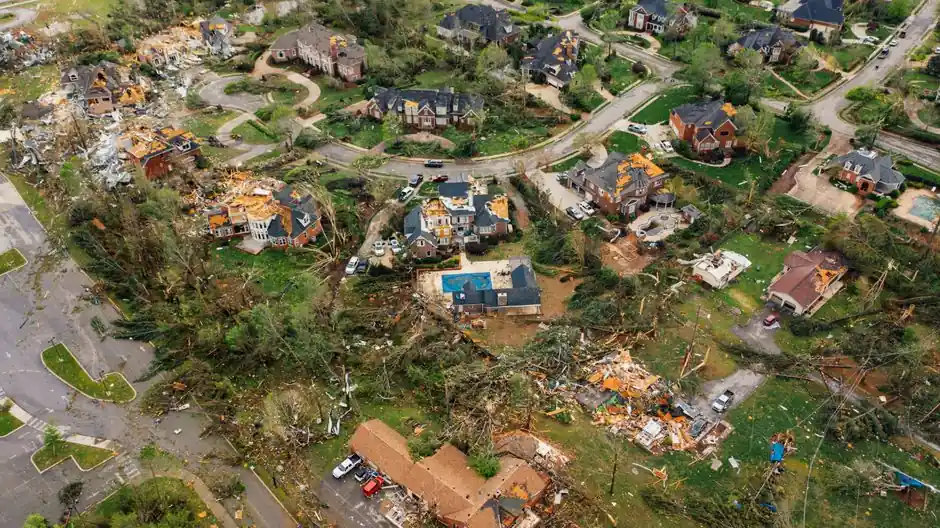
Roof Insurance Claims
Help documenting storm damage claims, adjuster scopes and the claim file for Corpus Christi homes.
Texas Roof Insurance Claim Process (TWIA)
The step-by-step TWIA storm claim process, kept separate from renewal-driven demands.