Stone-Coated Steel vs Clay Tile on the Texas Coast
Both give a Corpus Christi home a premium, tile-like profile, but one is a lightweight steel panel and the other is a heavy fired-clay system resting on underlayment. On the coast, that difference drives weight, wind behavior, upkeep and cost.
One roof needs a structure check, the other rarely does
Clay tile is heavy. A full clay roof can weigh several times more per square than shingles, and many Corpus Christi homes, especially older ones framed for lighter coverings, were never built to carry it. Before clay is a real option, the framing needs a structural check, and any strengthening work belongs in the comparison price from the start.
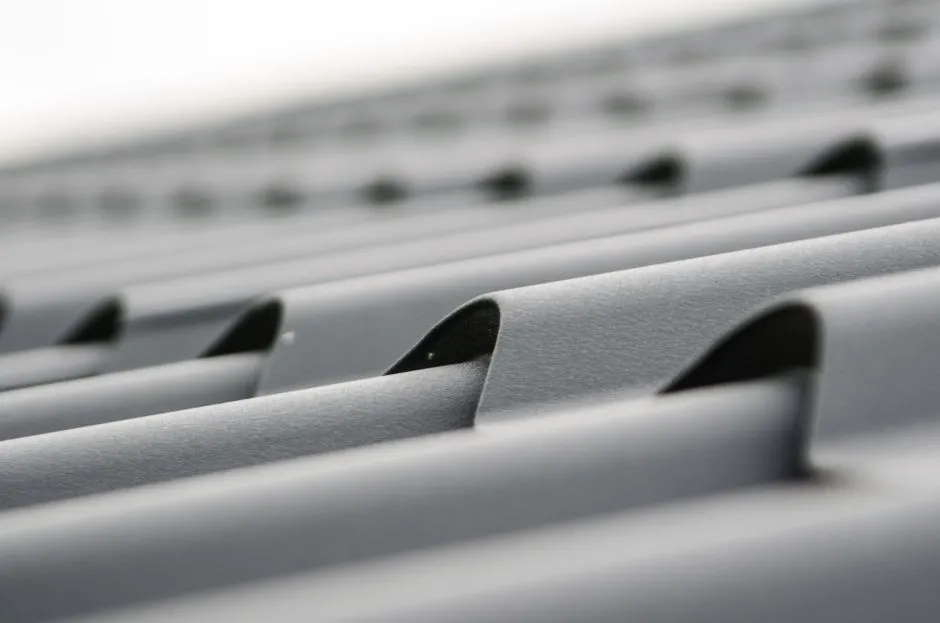
Stone-coated steel takes the opposite approach. Its panels have a steel core formed into tile or shake profiles, so the finished roof looks substantial while weighing much closer to a conventional covering. For a homeowner who wants the tile profile but has a house that cannot sensibly take tile weight, that gap is often the deciding factor rather than a minor detail.
Interlocked panels versus individual heavy pieces
Design wind speeds on this stretch of coast run roughly 130 to 155 mph, varying with exposure and distance from the bay, and the two systems answer that wind in different ways. Stone-coated panels interlock and fasten as a connected field, so uplift has to defeat the system across many attachment points rather than lift a single loose piece.
Clay tiles resist wind partly through their own weight and partly through how each tile, ridge piece and edge is fastened. Correctly installed tile performs well, but a tile that works loose becomes both a leak path and a heavy projectile risk. After any serious storm, tile roofs need a piece-by-piece look at ridges, eaves and edges, while steel panel roofs are checked for lifted laps, trim and fastener areas.
Clay ignores salt; steel must be protected from it
Fired clay does not corrode. Salt air that settles on a clay roof is mostly a cosmetic and maintenance issue, washed by rain and unlikely to shorten the tile's own life. The vulnerable parts of a tile roof in salt air are hidden: the metal flashings, fasteners and battens under the tiles, which is another reason the layers beneath matter so much.
Stone-coated steel relies on its coating and stone finish to keep salt moisture off the steel core. That system works well when edges, laps and trims are detailed properly, and it deserves more scrutiny the closer a home sits to the bay or to open water on Padre Island. Ask how cut edges are treated and what trim metals are used, because those answers predict how the roof looks in year fifteen.
- Steel: corrosion risk lives at cut edges, laps and damaged finish
- Clay: the tile itself does not rust, but metal flashings beneath it still can
- Both: edge metal and fasteners deserve stainless or coastal-grade materials
Clay cracks underfoot; steel dents but stays in place
Clay tile is strong in compression and brittle under a careless foot. Walking a clay roof to service a vent or chimney can crack the very tiles you came to inspect unless the walker knows where to step and spreads their weight. Broken tiles are replaceable, but matching older colors and lifting surrounding pieces without cracking more takes patience and skill.
Stone-coated panels are far more forgiving underfoot and do not shatter when debris strikes them in a storm. They can dent, and heavy hail or a falling limb can mark the finish, but the panel usually stays in place and keeps shedding water. For homes under mesquite or live oak canopy, where limbs and debris are a recurring fact of life, that toughness is a practical advantage.
Clay's real roof is underneath, and it is priced that way
From this site's price sheet, a full stone-coated steel roof typically runs about $15,000 to $30,000, while clay tile sits higher at about $19,000 to $38,000. Clay can also add structure-check or strengthening costs, and its long headline lifespan comes with a condition many buyers miss: the underlayment beneath tile is the actual waterproof layer, and it typically wears out long before the tiles do.
That means a clay roof's lifetime budget should include a future lift-and-relay or underlayment campaign, with the tiles reused where they survive. Steel panels have no equivalent hidden layer waiting underneath; their long-term costs concentrate on finish, trims and occasional panel work. Neither is the cheaper story in every case, but they spend your money in very different decades.
Profile, color and neighborhood rules
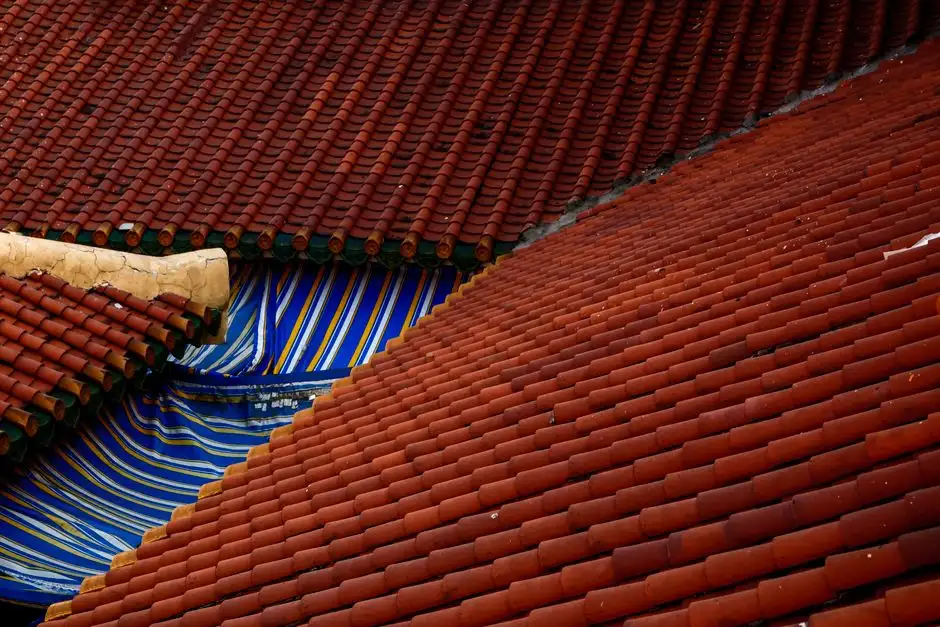
Clay offers the genuine article: natural color variation, barrel profiles with real shadow lines, and a surface that ages gracefully in Texas sun. For Mediterranean and Spanish-style homes in established Corpus Christi neighborhoods, that authenticity is often the point, and no formed panel fully reproduces it.
Stone-coated steel answers with range and consistency. Panels come in tile, shake and shingle profiles and in colors that can satisfy many HOA palettes, including associations that require a tile look. Approval should still be confirmed in writing before ordering, because some rules name materials rather than appearances. Weigh that paperwork alongside the engineering: the right choice here is the one your structure, your exposure and your neighborhood all agree on.
Sparkling City Roofing is a referral service. We help homeowners weigh the two premium options honestly; from there, a local contractor can inspect your roof for free, put the numbers in an itemized written quote, and run the structure check if clay makes your shortlist.
Common questions
Good questions
Where does corrosion start first on stone-coated steel in salt air — cut edges or panel laps?
Start with the laps and any exposed cut edge, where the steel core can meet salt-laden moisture if the finish or edge treatment is damaged or incomplete. Panel faces are well protected by the stone and coating system. During inspections, those laps, trims and fastener areas deserve the closest look on homes within a few blocks of open water.
Do Corpus Christi HOAs treat stone-coated steel that looks like tile as tile for approval?
Often yes in practical terms, because panels formed to a tile profile can satisfy a tile-look rule without tile weight. Approval is never automatic, though: submit the exact product, profile and color to the HOA before ordering, and get the approval in writing. Rules vary widely between Corpus Christi neighborhoods.
How much weight does clay tile add to a roof compared with a steel panel system per square?
Clay tile commonly weighs several times more per roofing square than a stone-coated steel panel system, whose weight is much closer to a shingle roof. That difference is why clay usually needs a structural load check before a quote is meaningful, while steel panels can often go on framing that was built for lighter coverings, subject to a normal inspection.
After a storm, which roof is faster to make watertight — broken clay tiles or dented steel panels?
Steel panels usually win on speed, because a dented section can often be isolated and the roof made weather-tight with fewer interlocking pieces to lift. Broken clay tiles are also replaceable one by one, but matching, careful lifting of surrounding tiles and checking the underlayment underneath take longer. Either way, the underlayment should be checked before the surface is closed back up.
Related services