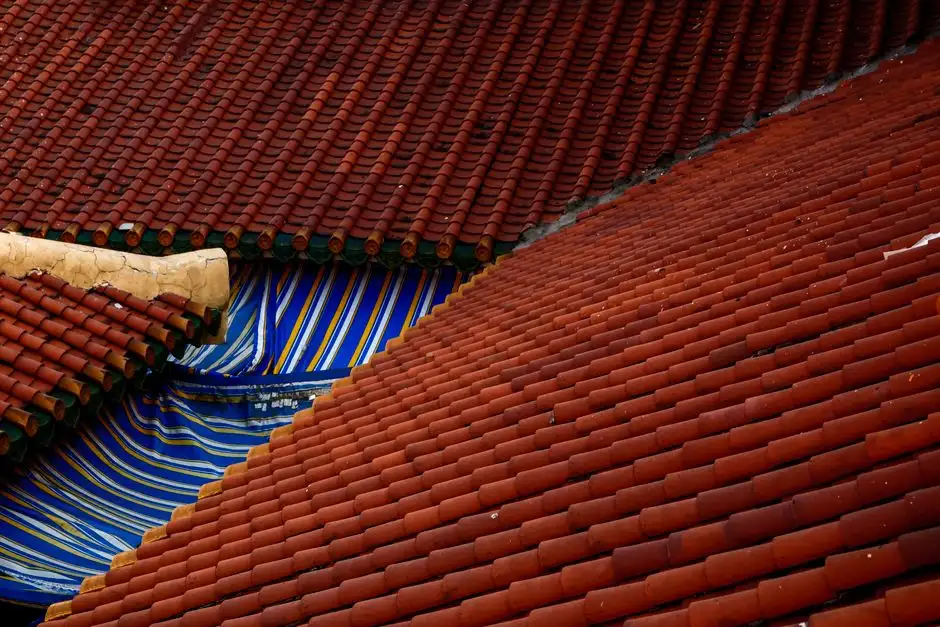
Steel strength with a tile or shake look
Stone-Coated Steel Roofing in Corpus Christi, TX
This system hides a steel core under bonded stone granules, giving island and premium homes the profile of tile or shake with far less weight and strong wind behavior. It is a favorite where looks matter as much as storm performance.
Live phone supportUpfront optionsBacked workmanship
What it is
A Metal Roof That Does Not Look Like One
For homeowners who want metal performance but not a metal appearance, this is the bridge product.
Steel core, stone skin
A galvanized or aluminum-zinc steel core gives each panel its strength, an acrylic bonding layer locks stone granules to the surface, and a clear overglaze seals the finish. The result behaves like metal against wind and corrosion while reading as a traditional roof from the street.
Profiles that mimic tile and shake
Panels form barrel tile, cedar shake, and shingle profiles convincing enough to satisfy strict neighborhood design rules on Padre Island and in premium subdivisions. Owners get the Mediterranean or coastal look without tile's structural weight penalty.
Lightweight for a premium roof
Interlocking panels weigh a fraction of concrete or clay tile, so most existing framing carries them without reinforcement. That lightness also matters in storms, since the locked system spreads uplift loads rather than relying on gravity like loose-laid tile.
Coastal fit
Performance Where Salt Spray Reaches the Roof
Within the salt spray zone, the weak points of this system are the same as any metal roof: cut edges, fasteners, and transitions. Quality panels carry corrosion-resistant coatings on the steel before the stone layer is applied, and fasteners are specified to match. The stone surface itself shrugs off ultraviolet exposure that chalks painted finishes, so color holds up well through long Corpus Christi summers.
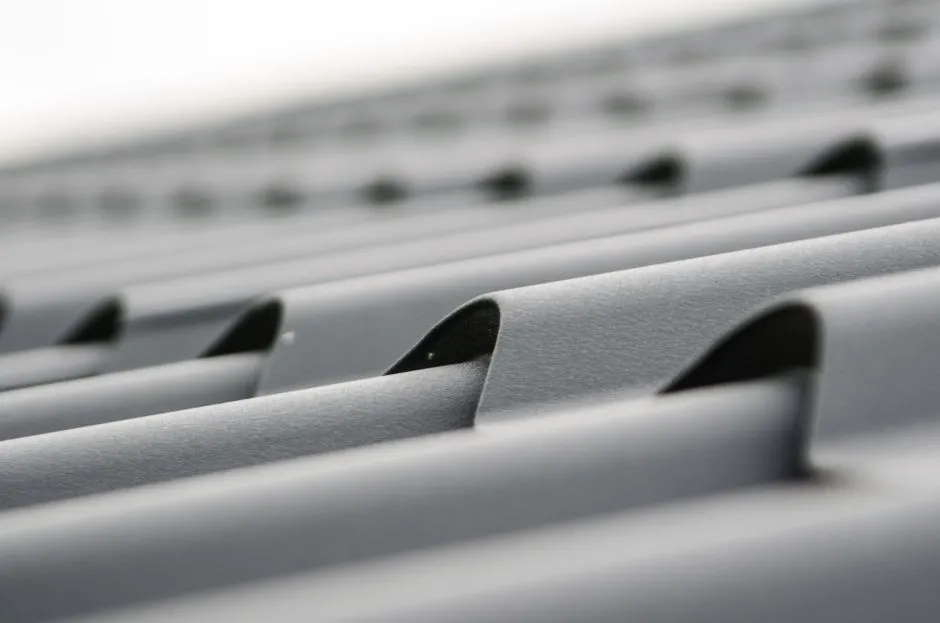
Wind performance is a genuine strength. Panels interlock on all four sides and fasten through flanges into battens or the deck, creating a continuous mat that resists the progressive peeling that destroys tabbed products. Impact resistance is also strong: hail may dent the steel slightly under the granules, but it does not shatter the panel or open a leak path the way brittle materials can.
- Interlocked panels resist individual uplift in high design-wind zones
- Stone surface cuts the ping and glare of smooth metal panels
- Steel core will not crack under hail the way clay can
- Batten systems add a ventilated air gap that helps in Texas heat
- Color blends hide salt dust and granule variation gracefully
Install outline
How a Stone-Coated Installation Proceeds
The system installs more like tile than like sheet metal, with its own handling rules.
Strip and prepare the deck
The old roof comes off, decking is inspected, and a high-temperature underlayment is laid, because the dark steel surface runs hot and the membrane beneath must be rated for that heat.
Set battens if the profile requires
Where the chosen profile calls for them, battens are fastened in a precise grid that the panels will lock onto, doubling as a ventilation channel between deck and steel.
Lock panels course by course
Panels are interlocked from eave to ridge with fasteners placed through factory flanges, and installers walk the low pans in soft footwear to avoid crushing the stone finish.
Trim, seal, and detail
Ridge, hip, and valley pieces formed for the profile finish the roof, followed by a check that every exposed fastener head specified by the system has been sealed and touched in.
Decision notes
When This System Beats Both Neighbors
Compared with standing seam, this roof trades a little ultimate seam strength for a traditional appearance and a quieter, more forgiving surface. Compared with genuine tile, it trades the centuries-long material lifespan for far less weight, no cracked-tile maintenance, and a lower installed price on most homes. Owners in design-controlled island neighborhoods often find it is the only metal product the street accepts visually.
Sparkling City Roofing is a referral service, so your quote comes from a local installer who works with the specific panel system being priced, with inspections and written, itemized quotes free. The quote should name the profile, the batten plan, and the fastener specification so you can judge the assembly rather than the brochure.
- Choose it for tile looks without tile weight or fragility
- Store a few spare panels for future repairs and additions
- Keep trees trimmed; texture holds damp leaf litter longer
- Confirm the exact wind-tested assembly in the written quote
- Expect slightly softer hail dents rather than cracks after storms
Pricing process
Pricing
$15,000 - $30,000 depending on profile, batten system, roof size and complexity
Profile and batten choices move price
Shake and tile profiles cost more in material and labor than simple shingle-profile panels, and battens add a line item on many installations.
Priced between shingle and clay tile
It undercuts genuine clay tile on most homes while costing more than architectural shingles, which is exactly the middle ground its buyers are shopping for.
No structural upgrade on most homes
Because the steel core is light, most homes avoid the structural reinforcement a tile conversion can require, keeping that cost out of the quote entirely.
Questions before we arrive
Frequently Asked Questions
Do the stone granules wash off during Gulf downpours?
The granule layer is factory-bonded to coated steel and sheds as the surface ages, similar to how asphalt shingles slowly release granules. Heavy loss early usually signals foot traffic damage or a mishandled bundle rather than normal wear. Installers use foam-soled shoes and walk the low pans to protect the finish during and after installation.
Is a stone-coated roof noisy in heavy rain?
Noticeably quieter. The stone surface, the textured profile, and the air space or battens beneath it break up the drumming that makes rain loud on smooth exposed metal. In a typical house with attic insulation, most owners describe the sound as comparable to a tile roof rather than a barn roof.
How does it perform when debris hits during a hurricane?
Interlocking stone-coated panels resist being peeled individually because each piece is fastened and locked to its neighbors and the batten or deck system. Ratings depend on the specific product and install pattern, so the wind documentation should name the tested assembly. As with any system, edges and ridges get the rated fastening schedule, not the field shortcut.
Can algae or moss grow on the stone surface?
Yes, in the same places any roof grows it: shaded, persistently damp sections, especially under trees on the bay side. The textured surface can hold moisture a little longer than smooth metal, so keeping overhanging branches trimmed and clearing leaf dams from valleys does most of the prevention. It is a maintenance issue, not a product defect.
Are individual damaged panels replaceable years later?
Matching sections are cut from the same profile and color blend, and because the surface is granular rather than flat paint, small repairs tend to disappear better than patches on smooth panels. The challenge is discontinued profiles, so keeping a few spare pieces from the original install, stored out of the sun, is a genuinely useful habit.
Ready when you are
Get Your Stone-Coated Steel Roofing Quote
Request an itemised quote in writing: scope, materials and total confirmed before any work starts.
Talk with the local team
Request Stone-Coated Steel Roofing
Sparkling City Roofing, 3022 Morgan Ave, Corpus Christi, TX 78405.