
Temporary covering that protects the claim too
Emergency Roof Tarping in Corpus Christi
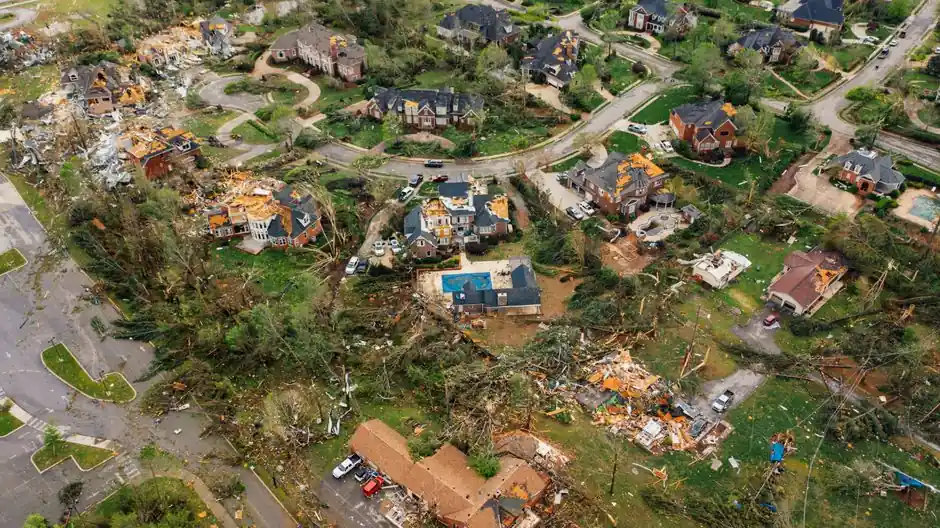
When a storm opens a roof, the next rain is already on the calendar. A properly anchored covering buys dry time for decisions, claims and permanent repairs. Sparkling City Roofing arranges emergency tarping across Corpus Christi with documentation built into the visit.
Live phone supportUpfront optionsBacked workmanship
What makes it work
A Good Covering Is a Small Roofing Job
The difference between protection and a blue sheet that fails in a week comes down to sizing, anchoring and edge detail.
Oversized on Purpose
A covering must extend well past the opening in every direction and anchor onto sound material, typically over the ridge or at least two feet beyond damage. A sheet cut to the hole itself channels water straight under its edges at the first driven rain.
Anchored for Gulf Wind
On the coast a covering may face weeks of 30 mph gusts before permanent work happens. Edge treatment, tight fixing and a wrinkle-free lay decide whether it survives that wait or shreds and flaps itself loose in the first front.
Fixed Without Fresh Damage
Crews use sandbags, adhesive systems or cap fasteners where possible, reserving screwed battens for situations that genuinely need them. Every penetration is a future patch, so the anchoring plan is part of the repair plan, not an afterthought.
Time and options
What a Temporary Covering Buys You
It buys dryness first: ceilings stop taking water, insulation stops soaking and the slow secondary damage of mould and rotted decking is paused. Just as valuable, it buys decision time. With rain held off, you can get a full inspection, receive a written scope, speak with an adjuster and compare repair against replacement without a bucket dictating the schedule. Homeowners who rush permanent work in the first wet week after a storm often pay for speed instead of quality.
It also buys evidence handling. The opening is photographed before it is covered, from roof level, with the damaged material visible. Those images, paired with shots of the finished covering, show both the loss and your mitigation in one set, which is exactly the sequence a claim file should tell. A covering installed without that record still keeps rain out, but it closes over proof you may later wish you had.
- Dated photos of the opening before covering
- Wide shots showing full sheet and all edges
- Close-ups of anchoring and ridge overlap
- A written note of covering size and method
- Receipt kept with the claim documentation
Installation sequence
How a Crew Installs a Covering Safely
The sequence is deliberate, from measuring past the damage to the final edge check before anyone leaves the roof.
Measure Beyond the Damage
The crew measures the opening and the sound material around it, then cuts or selects a sheet that reaches firm roof in every direction, ideally carrying over the ridge so no top edge faces the weather.
Clear and Prepare the Surface
Loose debris, hanging shingles and sharp protrusions are cleared so nothing punctures the sheet from beneath. Badly fractured decking sections are noted, since they change where anchors can safely bite.
Anchor Edges and Seams
Edges are fixed with the lightest method that will hold for the expected wait: sandbag or adhesive systems on sound surfaces, cap nails or battens where wind exposure or duration demands them.
Photograph and Verify
The crew photographs the finished covering from several angles, checks every edge by hand and confirms interior drips have stopped where they can be observed, then leaves the photo set and invoice with you.
How long it lasts
A Bridge to Permanent Repair, Not a Substitute
A well-fitted covering in this climate is a bridge measured in weeks, not seasons. Ultraviolet light degrades sheet material steadily under the Texas sun, wind works at every edge, and hurricane season runs June through November, so a covering fitted in July may still be tested by September weather. Plan the permanent repair while the covering is fresh, and have it checked after any further storm, because shifted edges rarely announce themselves from the ground.
Waiting has a cost beyond the sheet itself. Water that entered before covering went on continues to sit in insulation and wall cavities, and repeated small leaks at a failed edge can quietly exceed the damage the original opening caused. The covering does its job when it turns an emergency into a managed project with dates, documents and a written repair scope at the end of it.
- Coverings buy dryness, time and claim evidence
- Oversizing onto sound material prevents edge leaks
- Lightest effective anchoring limits new holes
- Photos before covering preserve the damage record
Pricing process
Pricing
$350 - $900 depending on covering size, roof height, pitch and anchoring method
Size and Access Set the Cost
Figures rise with roof height, steep pitch and the total area that must be covered, because larger coverings need more material, more anchoring and more crew time aloft.
What the Visit Includes
The charge usually includes the membrane, anchoring materials, labour and the dated photo set supplied with the visit, rather than a bare materials-only figure.
Keep the Mitigation Receipt
Tarping invoices are mitigation expenses; keep the receipt and photos with your claim file, as carriers commonly reimburse reasonable emergency covering costs.
Questions before we arrive
Frequently Asked Questions
What does the tarping price actually include?
The figure usually covers roof-level labour, the membrane itself, anchoring materials and the photo documentation supplied with the visit. Very steep pitches, two-storey access and coverings large enough to span multiple slopes cost more because they need more crew time and more material secured safely. Removal is sometimes billed with the permanent repair that follows rather than the emergency visit.
Can batten anchoring cause leaks of its own later?
It can, and that is a deliberate trade-off. A battened covering holds through weeks of Gulf weather, but each batten is screwed through the membrane into the deck, adding small holes that the permanent repair must then address. A well-executed sandbag or adhesive system avoids penetrations but can fail sooner in high wind, so the choice depends on how long the covering must last.
Will my insurer reimburse the cost of a temporary covering?
Insurers generally expect mitigation receipts and photos, and tarping invoices are routinely reimbursed as emergency mitigation subject to your deductible. Keep the invoice, the before-and-after photos and any text or email arranging the visit together. If the carrier uses its own mitigation vendor network, tell the roofer before work starts so the paperwork matches what the carrier wants.
How much larger than the hole does the covering need to be?
Size follows the opening plus sound material to anchor to, not the size of the wet ceiling below. Covering stops short when it ends on damaged, lifted or brittle material, because that edge will lift and funnel water under the sheet. A roofer measures past the visible opening in every direction until the membrane can lie on firm, intact roof surface.
What affects how fast a crew can get a covering on after a storm?
Directly after a widespread storm, crews triage by active water entry and structural risk, so a stable covering request may wait behind homes taking rain inside. Staying reachable, having photos ready to send and accepting the first offered slot all shorten the wait. If conditions are unsafe, a crew will not climb until wind and lightning clear, whatever the queue position.
Ready when you are
Get Your Emergency Roof Tarping Quote
Request an itemised quote in writing: scope, materials and total confirmed before any work starts.
Talk with the local team
Request Emergency Roof Tarping
Sparkling City Roofing, 3022 Morgan Ave, Corpus Christi, TX 78405.