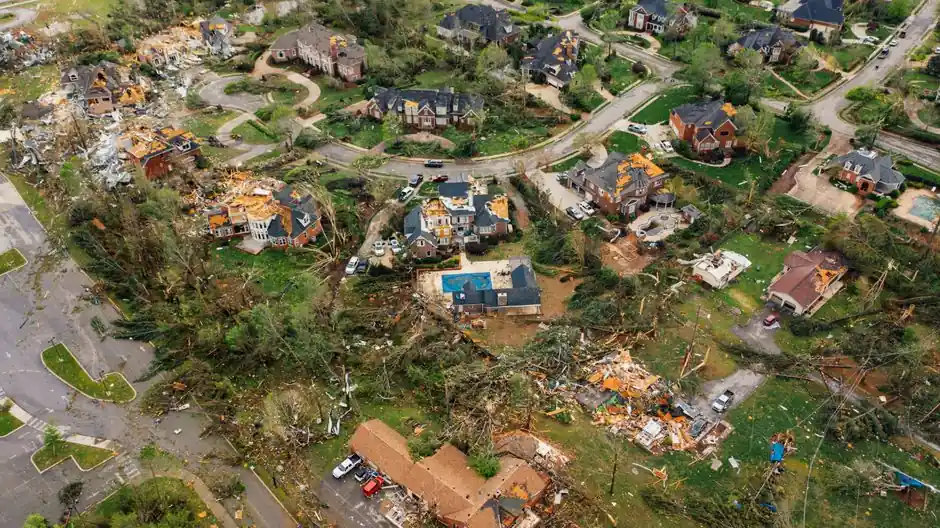
Coastal storm recovery for Coastal Bend homes
Hurricane Roof Damage in Corpus Christi
A Gulf storm rarely damages a roof in just one way. Wind lifts edges, rain drives under lifted material, and debris punctures what the wind leaves behind. Sparkling City Roofing connects Corpus Christi homeowners with local roofers who document the full picture before any repair is recommended.
Live phone supportUpfront optionsBacked workmanship
Damage patterns
How a Hurricane Actually Hurts a Roof
Most post-storm failures fall into a few repeatable patterns. Knowing which one you have changes both the repair and the documentation your insurer will expect.
Uplift and Seal Failure
Sustained gusts work at shingle edges and ridge lines first. Once the factory sealant bond breaks, tabs flap, crease and tear away in later, smaller storms, leaving fasteners and underlayment exposed to wind-driven rain.
Debris Punctures and Impact Cracks
Branches, signage and loose fencing become projectiles in a major storm. Impacts can crack shingles, dent metal panels and punch through decking, and the hole in the attic is often more serious than the mark visible from the street.
Water Driven Sideways and Upward
Hurricane rain does not fall straight down. Pressure differences push water under laps, behind flashing and into soffits, so staining can appear in rooms far from the actual entry point on the roof above.
What to document
Documentation That Holds Up After a Storm
Start from the ground. Photograph every slope you can see safely, the yard debris, fallen branches and any shingles or metal pieces on the lawn, because that debris is evidence of what left the roof. Note the date and time of the storm and when you first noticed a leak, stain or missing material. Inside, photograph ceiling stains with a coin or ruler for scale before you paint, move furniture or cut drywall, since altered conditions are harder for an adjuster to credit.
Keep damaged material instead of throwing it away where you can do so safely. A creased shingle, a section of bent edge metal or a split ridge cap helps show the mechanism of failure, not just the result. If a tree or structure also fell, keep wide shots that show the whole scene as well as close-ups, and save receipts for any emergency mitigation, bottled water damage cleanup or temporary covering you paid for out of pocket.
- Ground-level photos of all four sides of the home
- Close-ups of missing, creased or lifted material
- Interior stain photos taken before any repainting
- Receipts for tarping, cleanup and temporary repairs
- A simple written timeline of storm and discovery dates
Safe first moves
A Safe Order of Actions in the First Days
Work through these steps in order, and stay off the roof itself while surfaces are wet, loose or structurally suspect.
Make the Interior Safe
Move belongings away from active drips, place containers under leaks and shut off power to any ceiling fixture that is taking water. Puncturing a bulging ceiling bubble with a small hole over a bucket releases trapped water in a controlled way.
Stop Further Water Entry
Arrange temporary covering for open decking or large missing sections as soon as weather allows. Quick mitigation protects your claim as much as your home, because insurers expect reasonable steps to prevent additional loss.
Get a Documented Inspection
A roof-level inspection with dated photos maps each failure to a slope and a cause. Inspections and written, itemized quotes are free through Sparkling City Roofing, and that report becomes the backbone of any claim discussion.
Decide Repair Versus Replacement
Compare the mapped damage with the age and condition of the whole system. Scattered failures on a young roof usually repair well, while widespread seal failure on an older roof often makes a full replacement the more honest recommendation.
Coastal context
Why Corpus Christi Roofs Face a Harder Test
Homes near the bay and on Padre Island sit in design wind zones rated from 130 to 155 mph, depending on exposure and distance from open water. That rating shapes everything from fastener patterns to the value of sealed roof decks and enhanced underlayment when a damaged roof is rebuilt. Salt air adds a slower problem: it corrodes exposed fasteners, edge metal and flashing between storms, so a roof that looks sound in May may already have weakened attachment points when hurricane season opens in June.
Recovery timing matters too. Hurricane season runs June through November, and a second storm can arrive while a claim from the first is still open. Separating damage by event, with dated documentation for each, protects you from disputes about which storm caused which failure. It also means temporary repairs should be built to survive the rest of the season, not just the next rainfall.
- Design wind speeds of 130 to 155 mph along the coast
- Salt corrosion weakens fasteners long before a storm
- Each storm event needs its own dated documentation
- Temporary work should be rated for a full season
Pricing process
Pricing
$450 - $2,850 depending on the extent of storm damage, access and materials needed
Scope Drives the Figure
A handful of replaced shingles and resealed flashing sits near the bottom of the range, while multiple slopes, decking repairs and metal work push a job toward the top.
Emergency Covering Is Separate
Temporary tarping to stop active water entry is priced on its own, typically in the $350 to $900 band, and is often reimbursable as mitigation under a storm claim.
Written Quote Before Work
Every recommendation comes as a written, itemized quote after inspection, so you can compare the repair scope line by line against any insurer estimate before deciding.
Questions before we arrive
Frequently Asked Questions
Can a hurricane weaken my roof without removing any shingles?
Yes. High winds can break the sealant bond and crease shingle tabs without tearing them off, a condition often called seal failure. The roof looks complete from the street, yet those tabs now lift in ordinary gusts and let wind-driven rain underneath. Only a roof-level check that gently tests tab adhesion across each slope will find it.
Should I photograph damage before or after emergency tarping?
Both, if it can be done safely. Photos of the exposed damage before covering prove the condition the storm left behind, while photos of the finished tarp show you mitigated the loss as insurers expect. The roofer who installs the covering can usually supply the before images from roof level as part of the visit.
What if a second storm hits while my first claim is still open?
Report the new event separately and keep its documentation in its own dated set. Adjusters need to attribute each failure to a specific storm, and mixing two events into one file is a common cause of partial denials. Your inspection report should likewise note which findings predate the second storm.
Why did my ceiling stain appear two rooms away from any missing shingles?
Water entering under lifted material travels along decking seams, underlayment laps and rafters before it finds a drywall joint to drip through. In wind-driven rain it can also enter at a wall or soffit and run horizontally. Tracing the stain back to the entry point requires attic and roof checks together, not just a look at the slope above the stain.
Does a storm-damaged roof on Padre Island face different repair standards?
Island homes sit in the highest local wind zone, up to 155 mph design speed, and repairs there should restore the rated attachment pattern, including fastener counts and sealed edges, rather than simply matching the surrounding surface. Salt exposure also makes corrosion checks on flashing and edge metal a routine part of any island repair scope.
Related services
Related Services

Storm Damage and Repair Roofing
The broader storm repair service, from first inspection through finished repairs.
Emergency Roof Tarping
Temporary covering that stops water entry while permanent repairs are planned.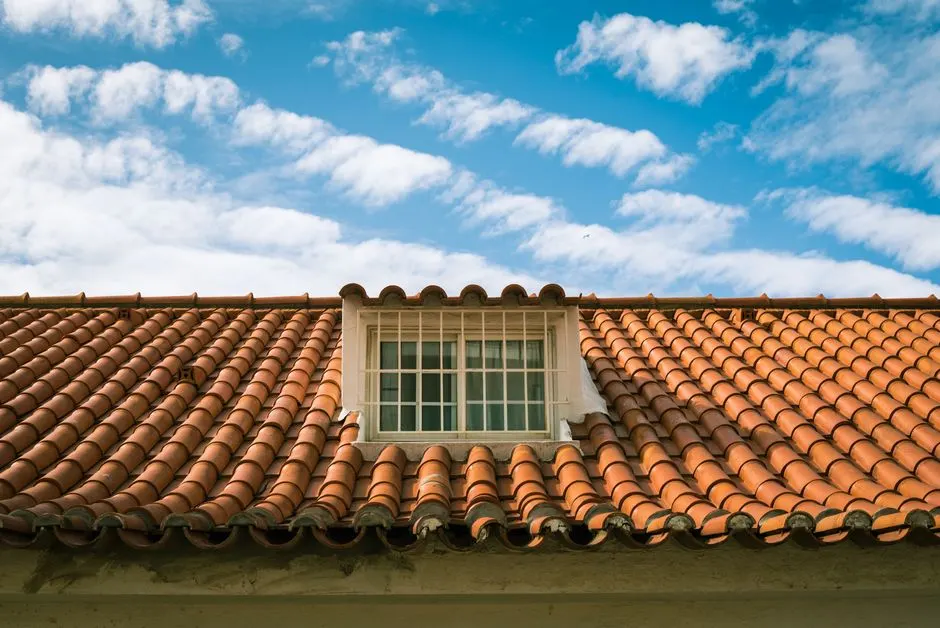
Roof Insurance Claims
Help organising documentation and repair scope for a storm claim.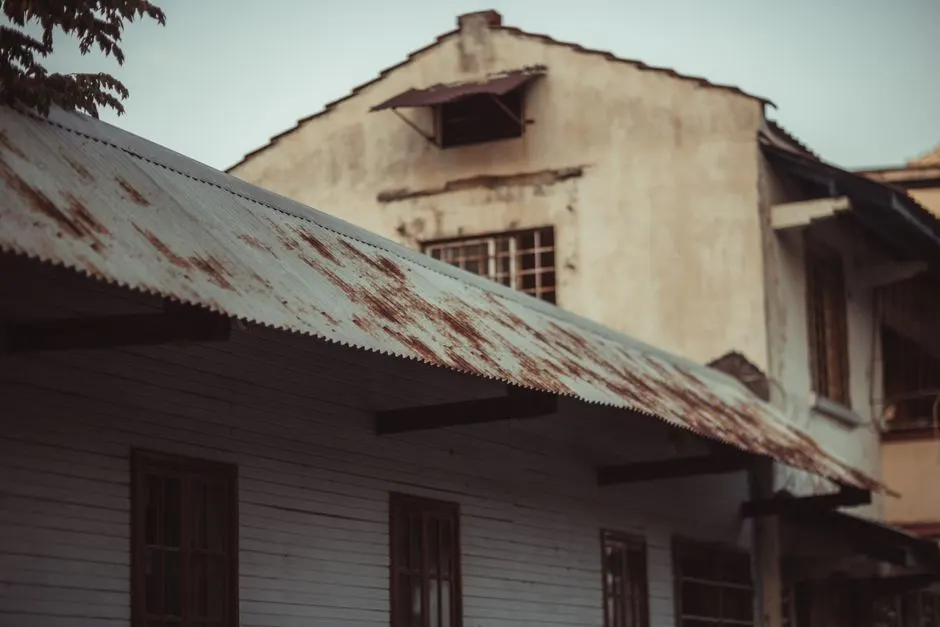
Wind Damage Roof Repair
Lifted and creased shingles, edge metal and uplift failures fixed properly.Ready when you are
Get Your Hurricane Roof Damage Quote
Request an itemised quote in writing: scope, materials and total confirmed before any work starts.
Talk with the local team
Request Hurricane Roof Damage
Sparkling City Roofing, 3022 Morgan Ave, Corpus Christi, TX 78405.