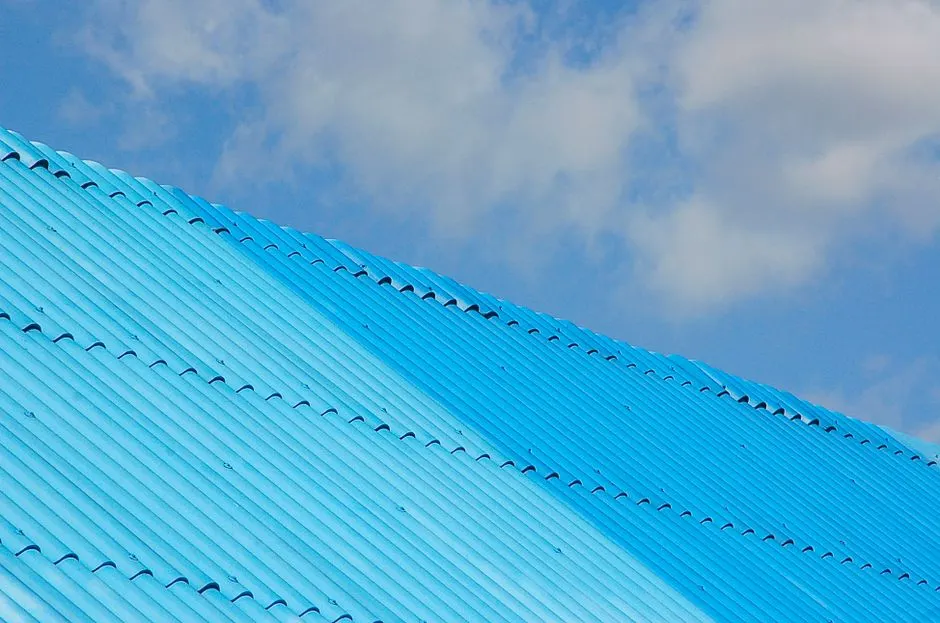
A plain side-by-side look at every major roof family
Roofing Materials for Corpus Christi Homes Compared
Choosing a roof on the Coastal Bend is not the same as choosing one inland. Wind design speeds of 130 to 155 mph, salt spray, and long hot summers punish weak fasteners, thin coatings, and bargain underlayment. This hub compares each family honestly so you can shortlist with confidence before getting quotes.
Live phone supportUpfront optionsBacked workmanship
The main families
The Four Families Most Corpus Christi Roofs Fall Into
Almost every residential roof here is shingle, metal, tile, or a low-slope membrane system. Each behaves differently when a Gulf storm pushes rain sideways and when salt air works on exposed metal year after year.
Asphalt shingles
The most affordable and most common choice across the city. Architectural shingles handle wind far better than older three-tab products, and impact-rated versions add hail resistance. The trade-off is a shorter service life in coastal heat compared with metal or tile.
Metal panels and stone-coated steel
Standing seam and stone-coated steel lead on wind uplift and longevity near the water. Concealed fasteners remove hundreds of exposed screw points, while coated steel hides a metal core under stone granules for a more traditional look on premium streets.
Clay and concrete tile
Tile suits Spanish and Mediterranean style homes and shrugs off heat and salt. It is heavy, so the structure and deck must be verified, and the underlayment beneath the tile does most of the waterproofing work over the life of the roof.
Membranes and coatings for flat sections
Porches, additions, and low-slope sections need TPO, EPDM, built-up, or coated systems instead of shingles. These are continuous waterproof layers designed for slow-draining water, and the right pick depends on sun exposure, foot traffic, and the existing surface.
Coastal reality check
What Salt Air, Wind, and Heat Do to Each Material
Salt air does not destroy a roof overnight. It corrodes cut edges, fasteners, and flashing first, often where two different metals touch. Galvalume and aluminum-zinc coatings resist that creep better than plain galvanized steel, and stainless or coated fasteners matter just as much as the panel or shingle on top. On tile and shingle roofs, the vulnerable metal is usually the flashing at valleys, chimneys, and vents, so material conversations should always include flashing metal, not just the field of the roof.
Wind is the second filter. In the 130 to 155 mph design zones along the coast, how a material is attached matters as much as what it is. Six-nail shingle patterns, ring-shank nails, sealed edges, and mechanically locked metal seams all raise real-world uplift resistance. Heat is the third filter: dark, low-slope membranes age faster under Texas sun unless they are reflective, and attic ventilation changes how quickly shingles cook from below.
- Ask what fastener metal and coating the quote includes, not just the visible material
- Check whether the system can be installed to meet windstorm requirements for a WPI-8 certificate
- Compare underlayment grades, because underlayment is the backup waterproof layer in every system
- Weigh lifetime cost per year, not only the install price, when comparing families
- Match the material to your slope first; some products simply do not belong on low pitches
How to shortlist
A Simple Way to Narrow Your Material Shortlist
Use these four filters in order and most homeowners end up with one or two clear finalists.
Start with slope and structure
Measure the pitch and confirm what the framing can carry. Low slopes rule out shingles and tile, and heavy tile needs a structural check before anyone prices the job as a simple swap.
Set your time horizon
If you plan to stay twenty years, metal and tile economics look very different than if you plan to sell in five. Shorter horizons often favor quality architectural shingles installed to a high wind standard.
Price the whole system
Compare quotes including tear-off, underlayment, flashing, ventilation corrections, and disposal. A cheap field material over weak details is not actually the cheaper roof once early repairs begin.
Confirm insurance and windstorm fit
Ask how the material and install method affect your TWIA windstorm policy and whether the finished roof can receive its WPI-8 certificate. Some discounts and eligibility rules turn on documented installation details.
Honest trade-offs
Where Each Family Disappoints Owners
No family is maintenance free. Shingles lose granules faster in extreme heat and can lift at edges if nailing is sloppy. Metal can dent in hail, telegraph deck imperfections through the panels, and cost far more up front. Tile breaks under careless foot traffic and depends on underlayment that may need renewal long before the tile itself wears out. Flat membranes fail mostly at seams, edges, and penetrations rather than in the open field, so detailing quality decides their lifespan.
That is why Sparkling City Roofing, as a referral service, focuses on matching you with a local crew whose strengths fit the material you choose rather than pushing one product for every house. The free inspection and written, itemized quote should name the exact material, underlayment, fastener pattern, and flashing plan so you can compare offers line by line instead of guessing from a lump sum.
- Shingles: lowest entry cost, shortest coastal lifespan
- Metal: highest wind performance, highest upfront price
- Tile: excellent heat and salt tolerance, structural weight to verify
- Membranes: essential for low slopes, seam quality is everything
- Coatings: extend a sound roof, never a substitute for a failed one
Pricing process
Pricing
$8,500 - $38,000 depending on material family, roof size, pitch and tear-off
Shingle and flat systems sit at the lower end
Asphalt roofs commonly fall between $8,500 and $18,000, while flat membrane roofs typically run $6,500 to $16,000 depending on the system chosen.
Metal and tile sit at the upper end
Standing seam metal commonly runs $14,000 to $32,000 and tile $18,000 to $38,000, reflecting material weight, slower installation, and longer expected service life.
Details move the number
Steep pitches, multiple valleys, decking replacement, and upgraded underlayment or ventilation all add cost on any material, which is why itemized quotes matter.
Questions before we arrive
Frequently Asked Questions
Which roofing material handles salt air best within a few blocks of the bay?
Metal systems with aluminum-zinc coated panels and stainless or coated fasteners, and clay or concrete tile with quality flashing metals, tolerate salt spray best. The weak point is rarely the visible surface; it is cut edges, screws, and flashing. Ask specifically what metals touch each other, because mixing incompatible metals accelerates corrosion in salty air.
Can I mix materials on one roof, like shingles on the main house and a membrane on a flat porch?
Yes, and on many Corpus Christi homes it is the right call, because pitched and low-slope sections need different systems. Architectural shingles, metal, or tile can cover the main roof while TPO, EPDM, or a coating handles a flat porch or addition where shingles would fail. The junction between the two materials needs careful flashing and drainage planning, since that transition is where mixed roofs most often leak.
Does a reflective or light-colored roof actually lower attic temperatures here?
Yes, measurably on low-slope and metal roofs, where reflective surfaces can cut surface temperatures by dozens of degrees on a summer afternoon. On shingle roofs the effect is smaller but real with rated cool-roof colors. Reflectivity helps most when paired with balanced attic ventilation, because trapped hot air under the deck ages any material faster.
What underlayment upgrade is worth paying for on the coast?
A self-adhered ice-and-water style membrane at eaves, valleys, and penetrations, plus a high-temperature synthetic underlayment in the field, is the upgrade most owners benefit from. If wind drives shingles or tile off in a storm, that sealed layer is often the only thing keeping rain out until repairs happen, which is why insurers and windstorm inspectors pay attention to it.
How do material choices affect getting a WPI-8 windstorm certificate?
The certificate depends on the whole installed system matching windstorm requirements: product approvals, fastener patterns, edge metal, and documented inspections during the work. Any major material family can qualify when installed and documented correctly, and any of them can fail to qualify when shortcuts are taken. Confirm the inspection plan before work starts, not after the roof is covered.
Ready when you are
Get Your Roofing Materials Quote
Request an itemised quote in writing: scope, materials and total confirmed before any work starts.
Talk with the local team
Request Roofing Materials
Sparkling City Roofing, 3022 Morgan Ave, Corpus Christi, TX 78405.