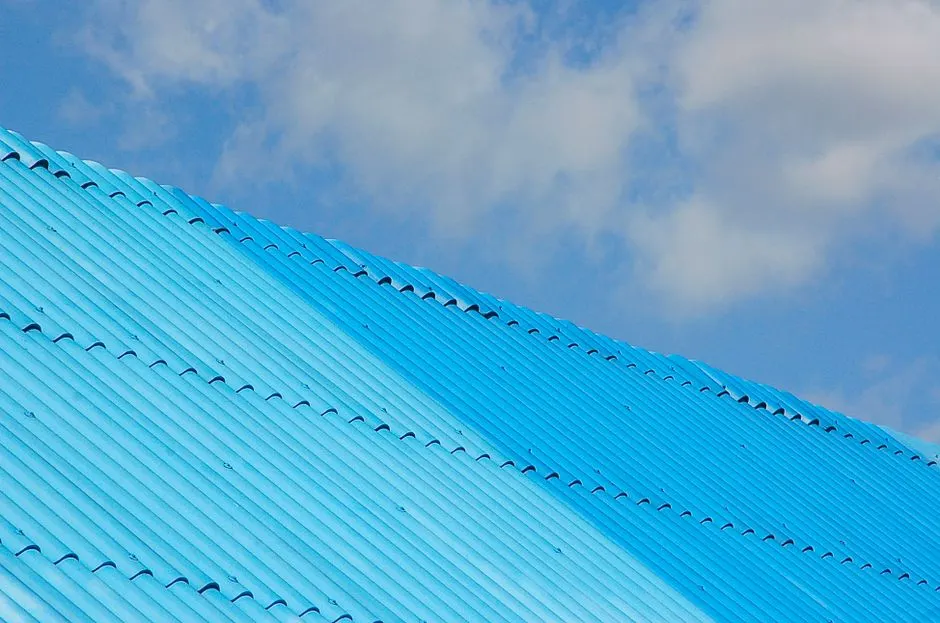
Welded seams and a reflective white surface
TPO Roofing in Corpus Christi, TX
TPO is the workhorse membrane of modern low-slope roofing: a bright white sheet whose seams are heat-welded into a single skin. It reflects brutal Texas sun, handles ponding-prone commercial and residential roofs, and has become the coastal commercial standard for good reasons.
Live phone supportUpfront optionsBacked workmanship
Why it dominates
The Membrane That Became the Commercial Standard
TPO earned its position by combining weldable seams, reflectivity, and reasonable cost in one system.
Seams welded, not glued
Adjacent sheets are joined with hot-air welders that melt the material itself together, producing seams as strong as the sheet rather than relying on glue or tape. When welds are probed and tested, the finished roof reads as one continuous waterproof surface.
Reflective white surface
The white surface reflects a large share of solar energy instead of absorbing it, which keeps the membrane, the insulation, and the rooms below measurably cooler through a Corpus Christi summer. That reflectivity is a functional feature on low-slope roofs over living and working space.
Reinforced sheet strength
Reinforced scrim inside the sheet gives TPO solid resistance to punctures, tears, and wind flutter. Thickness options let the spec match the roof's traffic: thicker sheets belong under service routes and around rooftop equipment.
Coastal and heat behavior
TPO Under Gulf Sun and Storm Rain
Reflectivity does double duty here. It trims cooling load on the building and slows the thermal aging of the membrane itself, since a cooler sheet expands, contracts, and oxidizes less aggressively. Formulations have improved greatly since early generations, and current products from major manufacturers carry long track records in hot climates when installed over the right insulation and cover board.
In storm conditions the welded seam is the headline advantage, because a fused joint does not rely on adhesives that heat and age. Wind performance then depends on attachment pattern and perimeter securement, both specified by tested assemblies for coastal design pressures. Ponding water, within drainage reason, does not degrade TPO the way it attacks some asphalt systems, though correcting standing water still protects seams and structure.
- Weld settings change with weather; test welds start each session
- Seams get probed along every foot before the job is signed off
- Walkway pads protect service routes to rooftop equipment
- Grease and chemical exposure needs guards at kitchen vents
- Edge securement carries the wind rating, not the field sheet
Install sequence
How a TPO System Is Installed
Welding discipline separates a twenty-year roof from a five-year problem, and the steps show where that discipline sits.
Set insulation and cover board
Insulation and cover board are fastened or adhered in the pattern the tested assembly requires, creating the firm, smooth surface the membrane needs to perform and to weld cleanly against.
Position and attach sheets
Sheets are positioned with specified overlaps, relaxed to remove packaging stress, and attached mechanically or adhered according to the wind design for the building's zone.
Weld and probe every seam
A technician welds each seam with settings verified by test welds that morning, then probes the full seam length to catch any cold spot before it can become a leak path.
Detail, edge, and document
Prefabricated boots, corners, and drain details finish penetrations, edge metal rated for coastal exposure is secured, and the system is documented for warranty and windstorm files.
Fit check
Where TPO Is the Right Answer
TPO fits sun-blasted commercial roofs, low-slope home additions, and any building where cooling load matters and the roof shape is reasonably regular. It is less ideal where heavy grease exhaust lands untreated or where constant sharp-object traffic cannot be controlled with walkway systems. Repairs are straightforward for trained crews, since patches weld on with the same hot-air process.
Through Sparkling City Roofing, a referral service, TPO work is matched to installers who weld daily, with inspections and written, itemized quotes free. The quote states sheet thickness, insulation build, attachment pattern, and edge system so the bid can be judged as a full assembly.
- Specify sheet thickness in the quote, not just brand
- Ask how test welds and seam probing are handled daily
- Plan walkway protection wherever service traffic will go
- Keep incompatible sealants and solvents off the surface
- Schedule seam checks after major storms as routine care
- Record the membrane thickness and the day's test weld results in the project file, so future repairs are specified to match the original assembly exactly
- Keep a simple roof plan marking drains, curbs, and penetrations for every service crew that follows
Pricing process
Pricing
$7,000 - $17,000 depending on membrane thickness, insulation, attachment method and roof size
Membrane thickness sets the tier
Thickness matters: heavier sheets cost more per roll yet resist punctures and weathering better, and the quote should state the mil thickness plainly.
Attachment and insulation choices
Mechanically attached systems price differently from fully adhered ones, and insulation thickness required by code or comfort goals moves the total.
Edge metal is part of the system
Perimeter edge metal rated for coastal wind is included as a system component, because membrane warranties and wind performance both depend on it.
Questions before we arrive
Frequently Asked Questions
How strong is a heat-welded TPO seam really?
A properly welded seam fuses the two sheets into one piece of plastic, so it should not peel apart the way glued laps can. Weld quality is verified by probing the seam edge and by test cuts on sample welds made with the day's settings. Crew experience and correct machine temperature matter more than the membrane brand printed on the roll.
Does TPO get chalky or brittle in Texas heat?
Chalking means the surface is releasing fine powder as ultraviolet exposure ages the top layer, and light chalking late in life is normal. Heavy early chalking, cracking, or a surface that feels brittle suggests accelerated aging or foot-traffic damage. An inspector checks flexibility and seam integrity to judge whether the sheet still has service years or is nearing replacement.
Can I walk on a TPO roof to service an AC unit?
Yes, with purpose-made walkway pads or rolls laid over the membrane on service routes to vents and equipment. The pads distribute weight and protect against dropped tools, which cause many punctures on otherwise sound roofs. Random foot traffic directly on the sheet, especially with gravel on shoe soles, is what shortens its life.
Will grease or chemicals from vents damage TPO?
Standard sheets resist rooftop chemicals reasonably, but restaurant grease is aggressive enough that grease guards and sacrificial sheets are specified around kitchen vents on commercial work. On homes the usual contaminants are milder, though tree sap and certain sealants can stain or soften spots. The practical rule is to keep incompatible materials off the surface and report spills early.
How should a white TPO roof be cleaned?
Cleaners made for single-ply membranes and soft washing are safe; solvent-based products and pressure washing at seams are not. Algae staining is mostly cosmetic on the reflective surface, though heavy growth can reduce reflectivity and the cooling benefit that comes with it. A gentle professional cleaning restores appearance without attacking welds.
Related services
Related Services

Ready when you are
Get Your TPO Roofing Quote
Request an itemised quote in writing: scope, materials and total confirmed before any work starts.
Talk with the local team
Request TPO Roofing
Sparkling City Roofing, 3022 Morgan Ave, Corpus Christi, TX 78405.