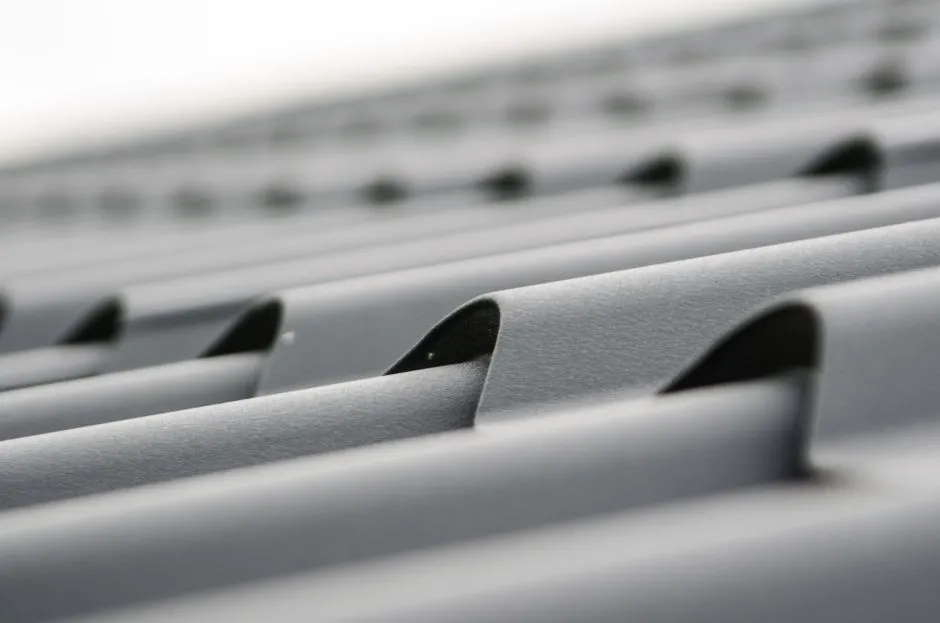
Concealed fasteners built for Gulf wind
Standing Seam Metal Roofing in Corpus Christi, TX
A standing seam roof locks its panels together above the waterproof surface, so no screws sit exposed to salt air and storm rain. It is the premium metal choice for coastal homes that plan to stay put through many hurricane seasons.
Live phone supportUpfront optionsBacked workmanship
Why it leads on the coast
What Makes This System Different From Other Metal
The defining details are hidden fasteners, an interlocking raised seam, and panels that run the full slope without cross joints.
Concealed clips, no exposed screws
Each panel fastens with clips hidden beneath the raised seam, so rain never reaches a screw head and there are no rubber washers aging in the sun. Clips also let long panels expand and contract with Texas heat without tearing at fixed points.
A seam that locks, not laps
Panels interlock along raised ribs, either snapping together or folded shut mechanically. Mechanically locked seams suit lower slopes and the highest wind exposures, while snap-lock profiles install faster on steeper, more sheltered roofs.
Full-length panels
Panels arrive or are formed in continuous lengths from eave to ridge, eliminating horizontal joints where wind-driven rain loves to enter. Fewer seams across the slope means fewer places for a Gulf storm to test during hours of sideways rain.
Wind and water
How It Handles 130 to 155 mph Design Winds
Uplift pressure peaks at eaves, rakes, and corners, and that is exactly where exposed-fastener roofs start to unzip. A locked seam roof spreads that suction across the whole panel through its clips, and the seam itself resists the prying action that lifts laps and tabs. When the system is tested and installed to its rated clip spacing, it qualifies among the strongest residential options for TWIA windstorm documentation in the coastal design zones.
The coastal catch is corrosion discipline. Panel coatings in this exposure should be high-grade Galvalume or aluminum, with all cut edges hemmed or dressed, and trim metals chosen to avoid galvanic reactions. Under the panels, a high-temperature membrane at eaves and valleys provides the second line of defense if wind ever drives rain past the seam geometry.
- Mechanically locked seams for low slopes and open bay exposure
- Stainless or coated clips matched to the panel metal
- High-temperature underlayment rated for metal roof heat
- Raised seams kept clear of valleys and transitions where water concentrates
- Panel finish warranties checked for salt-air exclusions before signing
Installation sequence
How a Standing Seam Roof Goes On
Precision measuring and panel fabrication happen before most of the visible work begins.
Measure, prep, and dry in
Every slope is measured, the deck is confirmed flat enough not to telegraph bumps through the panels, and underlayment plus edge metal designed for the seam profile are installed first.
Form and stage panels
Panels are roll-formed or delivered to exact lengths, checked for finish damage, and staged so long runs can be set without dragging them across finished sections of the roof.
Set clips and lock seams
Panels are clipped at the rated spacing and the seams are locked course by course, with special attention to eave closures and ridge terminations where wind pressure concentrates.
Flash transitions and document
Wall transitions, pipe boots rated for metal roofs, ridge caps, and valley details are flashed and sealed, then the full system is documented for windstorm certification records.
Is it your roof?
Who Gets the Most Value From This Upgrade
The economics work best for long horizons. A locked seam system commonly costs around twice an architectural shingle job, yet it can cover two shingle lifecycles while removing exposed-fastener maintenance from your calendar entirely. For a homeowner selling within a few years, that math rarely pays back; for a family home on the water, the avoided replacements and storm anxiety change the calculation completely.
Through Sparkling City Roofing, a referral service, you get matched with a local metal specialist for this work rather than a generalist crew learning seams on your house. Inspections and written, itemized quotes are free, and the quote should state panel metal, gauge, seam type, clip material, and underlayment so competing bids can be compared honestly.
- Best suited to owners planning a long stay in the home
- Strongest fit within a few miles of open water and on Padre Island
- Snap-lock for steeper sheltered slopes, mechanical lock for harsher exposure
- Matte, lighter colors reduce both glare and oil-canning visibility
- Budget for custom flashing; transitions are where quality shows
Pricing process
Pricing
$14,000 - $32,000 depending on panel metal, gauge, seam profile and roof complexity
Gauge and seam type set the band
Taller seams, thicker gauges, and mechanically locked profiles cost more than snap-lock options but add uplift resistance where exposure is highest.
Aluminum vs Galvalume pricing
Aluminum panels cost more than Galvalume steel yet resist salt corrosion aggressively near open water, a trade worth pricing on bayfront streets.
Fabrication and delivery
Long panel runs, custom flashing, and crating for site delivery are real cost lines on metal work, itemized in the written quote rather than buried.
Questions before we arrive
Frequently Asked Questions
Why does a locked seam resist uplift better than screwed-down panels?
Panels move as one locked system, so wind works against a continuous interlocked surface instead of individual tabs or exposed screw points. That does not make any roof storm-proof, and the edge metal, clip spacing, and eave details still decide real performance. The advantage is fewer individual failure points for a long humid-climate blow to exploit.
Will my panels look wavy in the afternoon sun?
That rippling, called oil canning, is a visual effect from flat metal reflecting light unevenly as it expands and contracts. It does not leak or shorten panel life, but it bothers some owners on wide flat pans. Narrower pans, stiffening ribs, and matte finishes reduce how visible it becomes on a finished roof.
Can galvanic corrosion happen between panels and clips?
Quality systems pair the panel alloy with stainless or specially coated clips and trim so no bare dissimilar metals sit in salty moisture. Cheap jobs cause trouble when cut edges are left unprotected or when copper or treated lumber contacts the panel. The quote should name clip and trim metals, not just the panel brand.
Can solar panels mount without drilling into this roof?
Yes, standing seam is one of the better residential hosts for solar because clamps grip the raised seam without drilling holes through the waterproof surface. That preserves the roof warranty logic and avoids hundreds of new penetrations. Panel spacing and seam shape need to match the clamp system, so mention any solar plans before the profile is chosen.
How are additions handled if I extend the house later?
Additions tie in with transition flashing where the new seam field meets the existing roof, and gauge, profile, and color lots are matched as closely as current production allows. A perfect color match on weathered panels is unlikely, so installers often place a deliberate break like a ridge or valley between old and new sections to make the shift look intentional.
Related services
Related Services

Metal Roofing
All metal roof styles, repairs and coastal guidance in one place.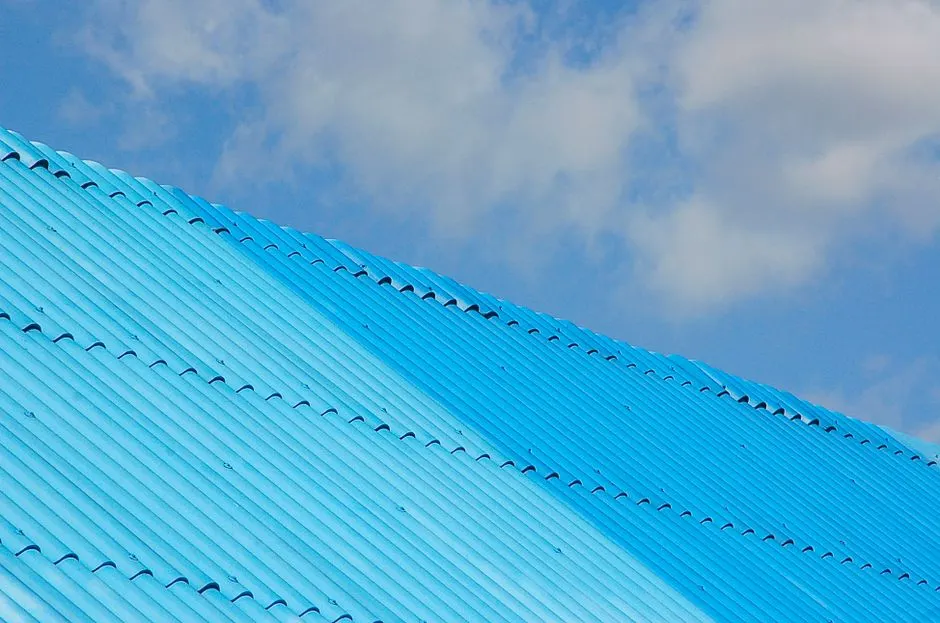
Roofing Materials
Compare metal against shingle, tile and membrane families.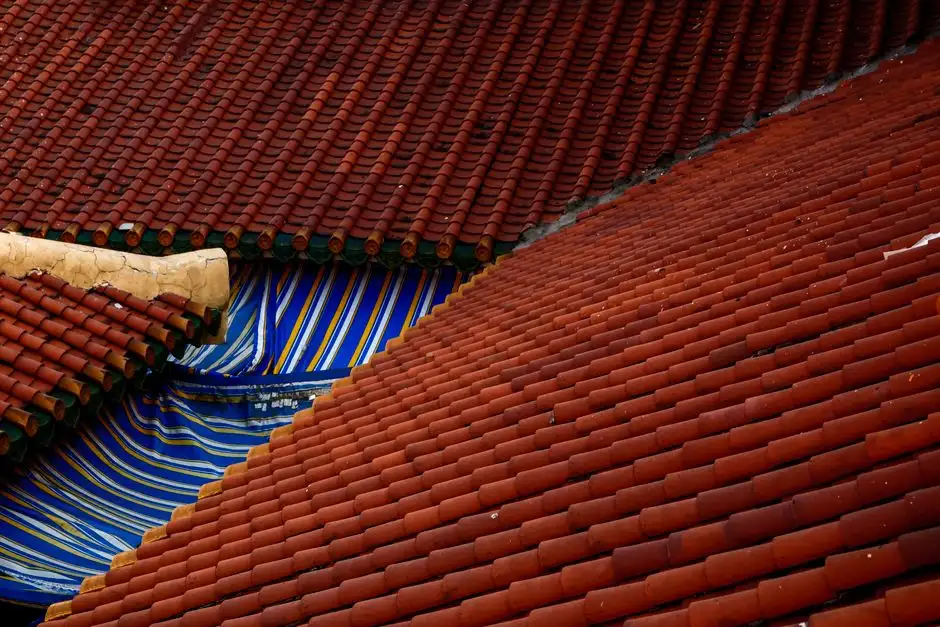
Stone-Coated Steel Roofing
Steel durability under a traditional granule finish.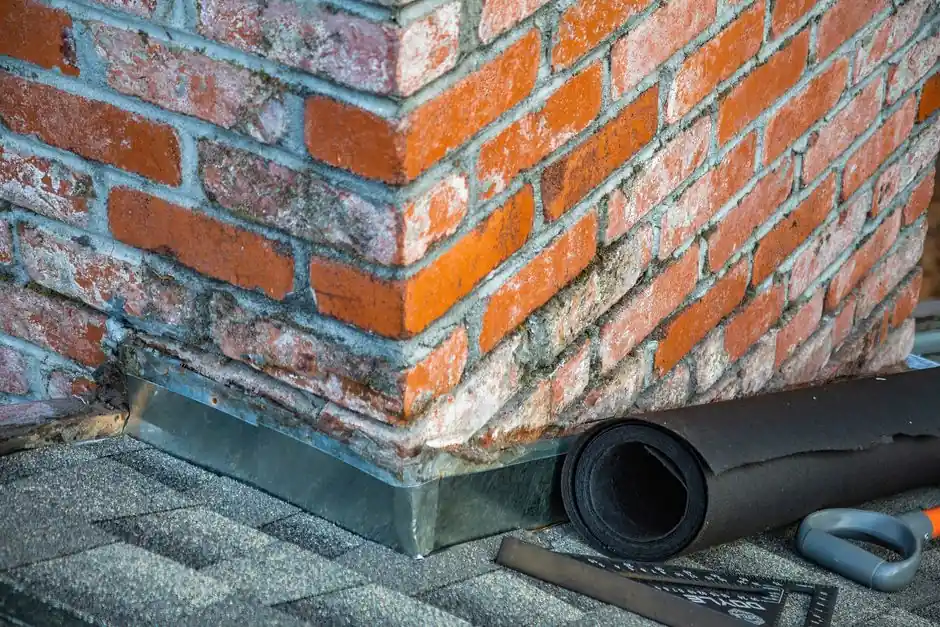
Metal Roof Repair
Fastener back-out, seam separation and rust repairs that extend a metal roof's life.Ready when you are
Get Your Standing Seam Metal Roofing Quote
Request an itemised quote in writing: scope, materials and total confirmed before any work starts.
Talk with the local team
Request Standing Seam Metal Roofing
Sparkling City Roofing, 3022 Morgan Ave, Corpus Christi, TX 78405.